

Guide to Lake Titicaca
Lake Titicaca is divided in several sections, including the Bay of Puno, the Lago Mayor (on the Peruvian side), and Winaymarca (on the Bolivian side). Lake Titicaca also has 40 fascinating, unique islands floating in its waters, the most well-known of which are the Uros floating reed islands on the Bay of Puno; Taquile and Amantani islands on the main Lake; and Sun and Moon Island on the Bolivian side of the lake.
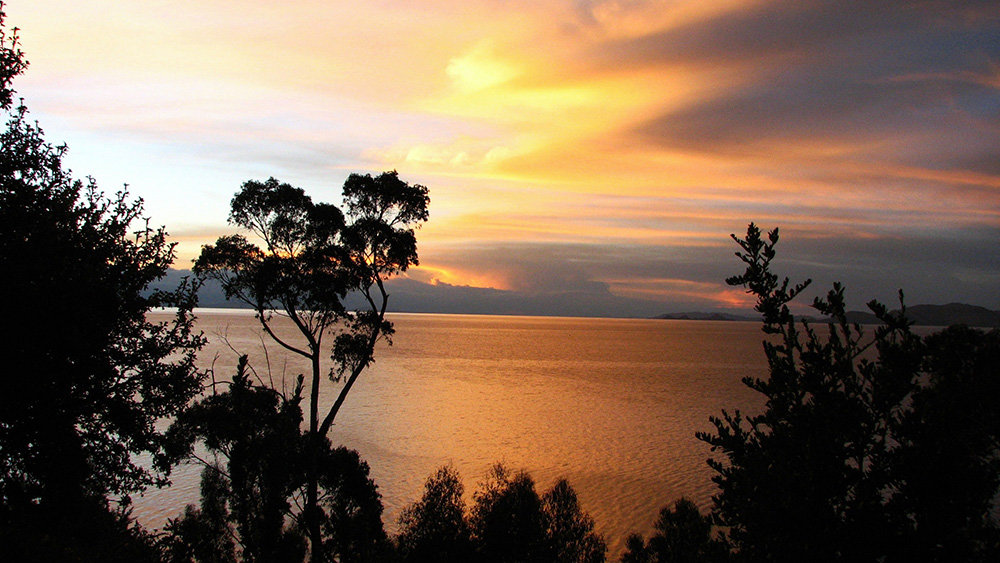
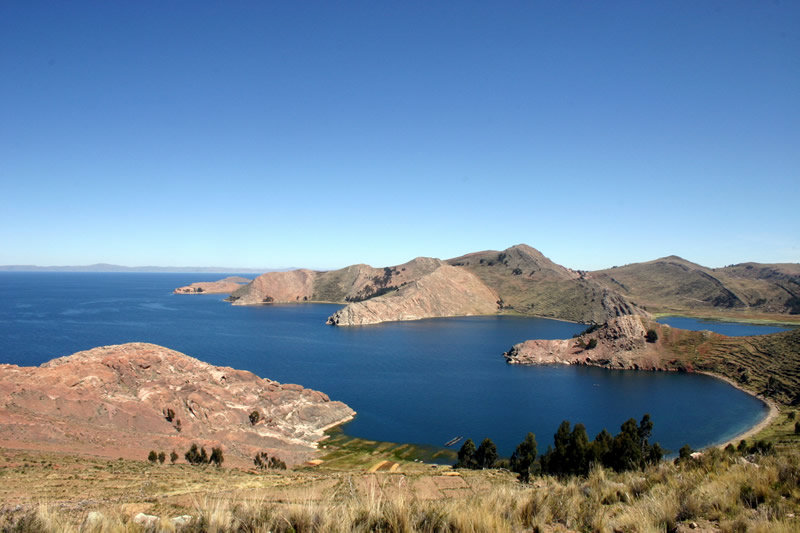
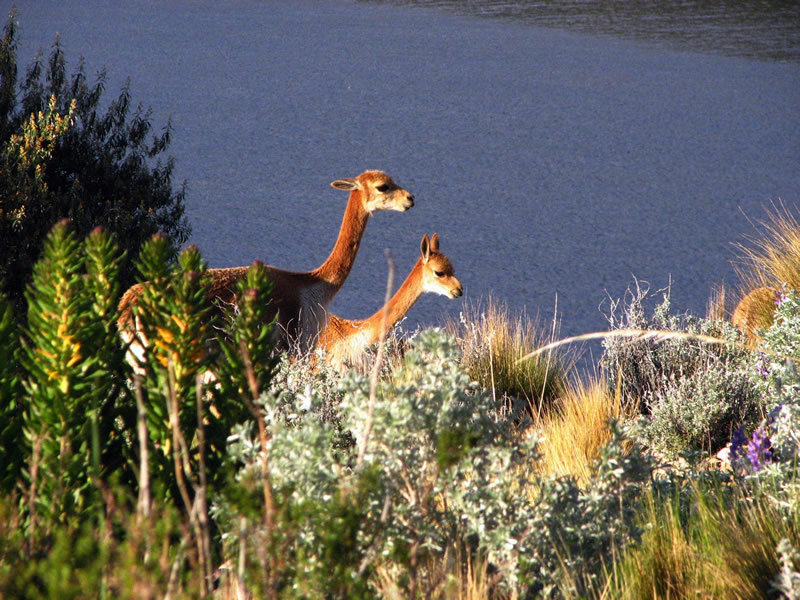
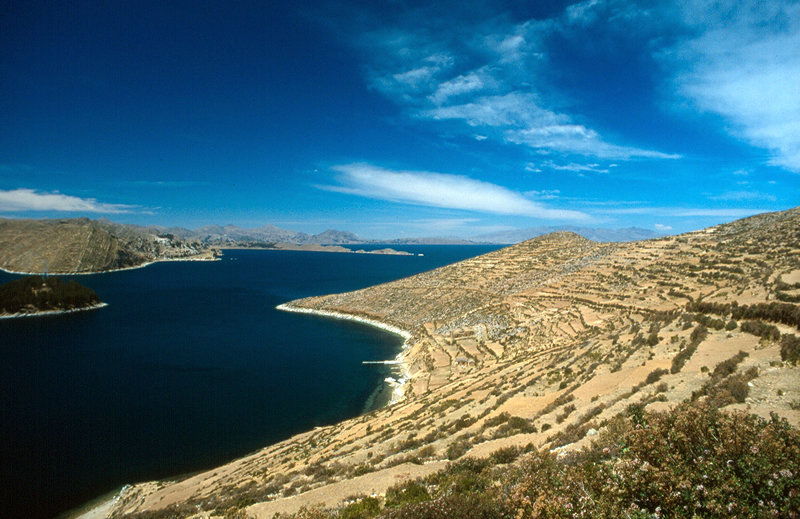
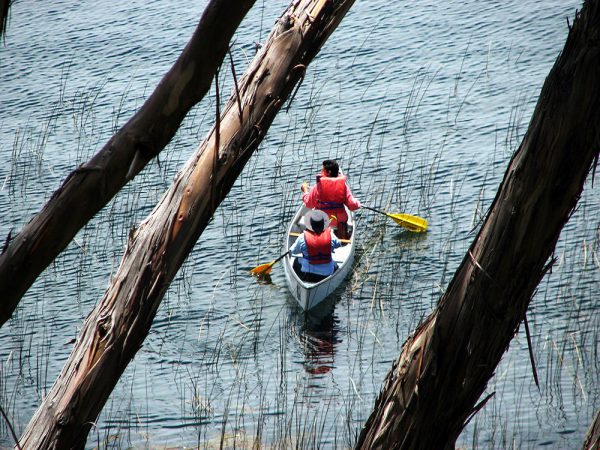
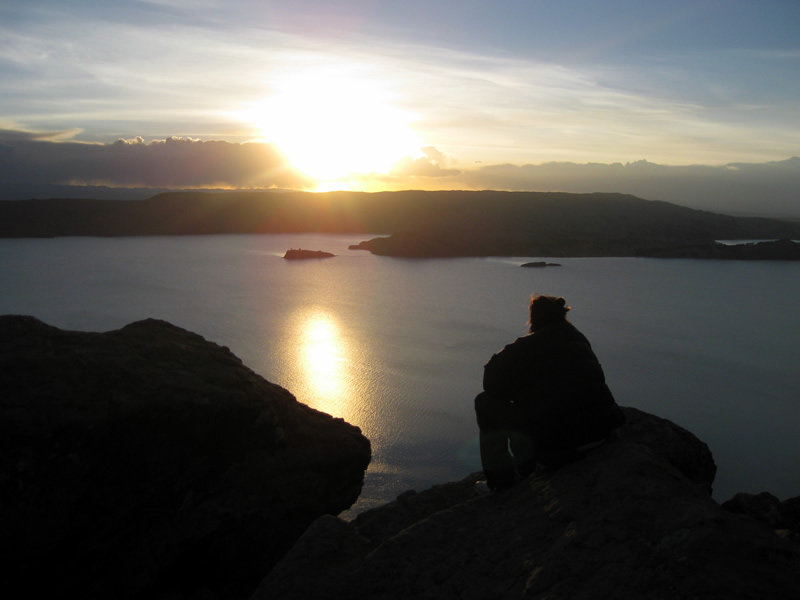
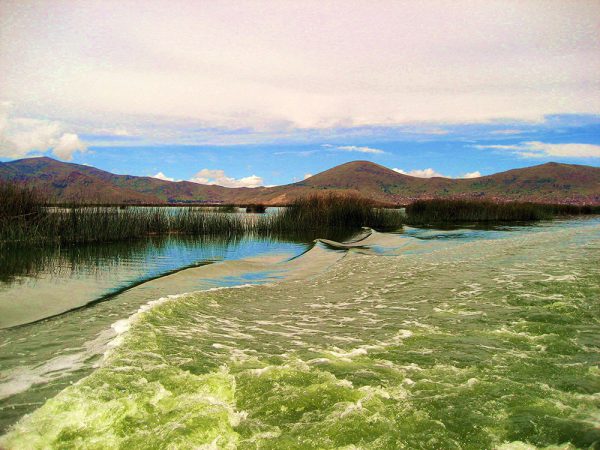
Despite its geographical prominence and international renown, Lake Titicaca is largely unexplored. Few visitors go beyond the tourist areas, so the Lake still has large expanses of pristine areas with abundant bird life and unique flora. There is even an ecological reserve on Suasi Island providing a showcase of the flora and fauna of this magical region.
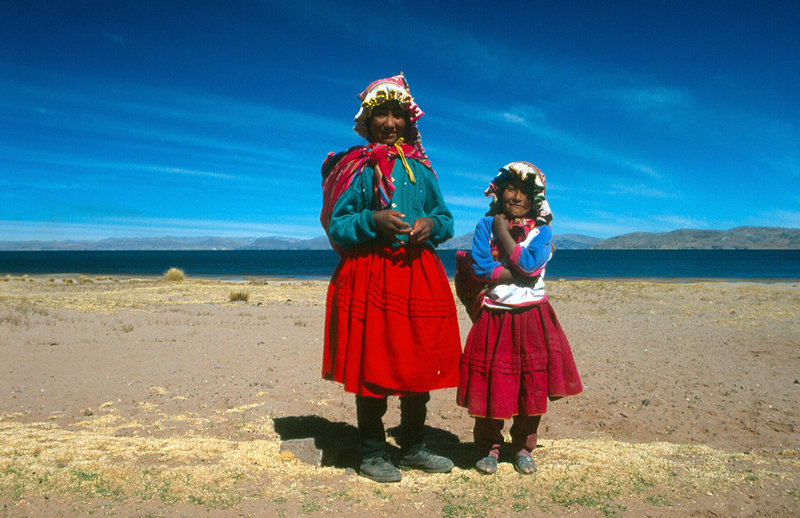
Today the shores of the lake are dotted with a diverse array of indigenous communities and old colonial towns, boasting superb baroque churches and pre-Inca and Inca archaeological remains. Many of the inhabited islands show signs of long-standing settlements. The archaeological remains, ancient agricultural terracing, and rich folk tradition hint at an extensive cultural legacy.
For low impact trips to Peru, we recommend a visit to Lake Titicaca with interaction with the local communities to learn about traditional, local lifestyles in a responsible way. Aracari arranges homestays on Lake Titicaca. e Titicaca.
How to get to Lake Titicaca
Lake Titicaca can be easily reached from Cusco and Lima with direct flights to Juliaca, the closest airport to Lake Titicaca. It is also possible to take the Titicaca train for a superlatively scenic day trip from Cusco to Puno (or in reverse). There is also a luxury overnight sleeper train, the Belmond Andean Explorer, with schedules that connect Cusco and Lake Titicaca, optionally continuing on to Arequipa. Overland by road, the Colca Canyon is also in easy reach.
If travelling to or from Bolivia, it is possible to reach Bolivia’s capital in a day from the Peruvian side of Lake Titicaca.
When to go
During the drier seasons, from May to October is ideal. Travel from November to March can include heavy downpours.
How long to visit
We recommend two nights at Lake Titicaca. For the hotels closer to the airport – in the Bay of Puno – one night is possible. For properties further away, like Titilaka, or Suasi Island, two nights minimum is required.