The places we go, the people we find, and what it says about who we are.
Our version of luxury travel to South America has long been shaped by culture, conservation, access, and storytelling. Values that continue to define Aracari’s world in 2026.
This May, we joined The Long Run, a decision that had been quietly taking shape since Marisol spent time at a working estancia in the hills of Córdoba and recognized something in the way a place could operate with coherence across every dimension of its values.
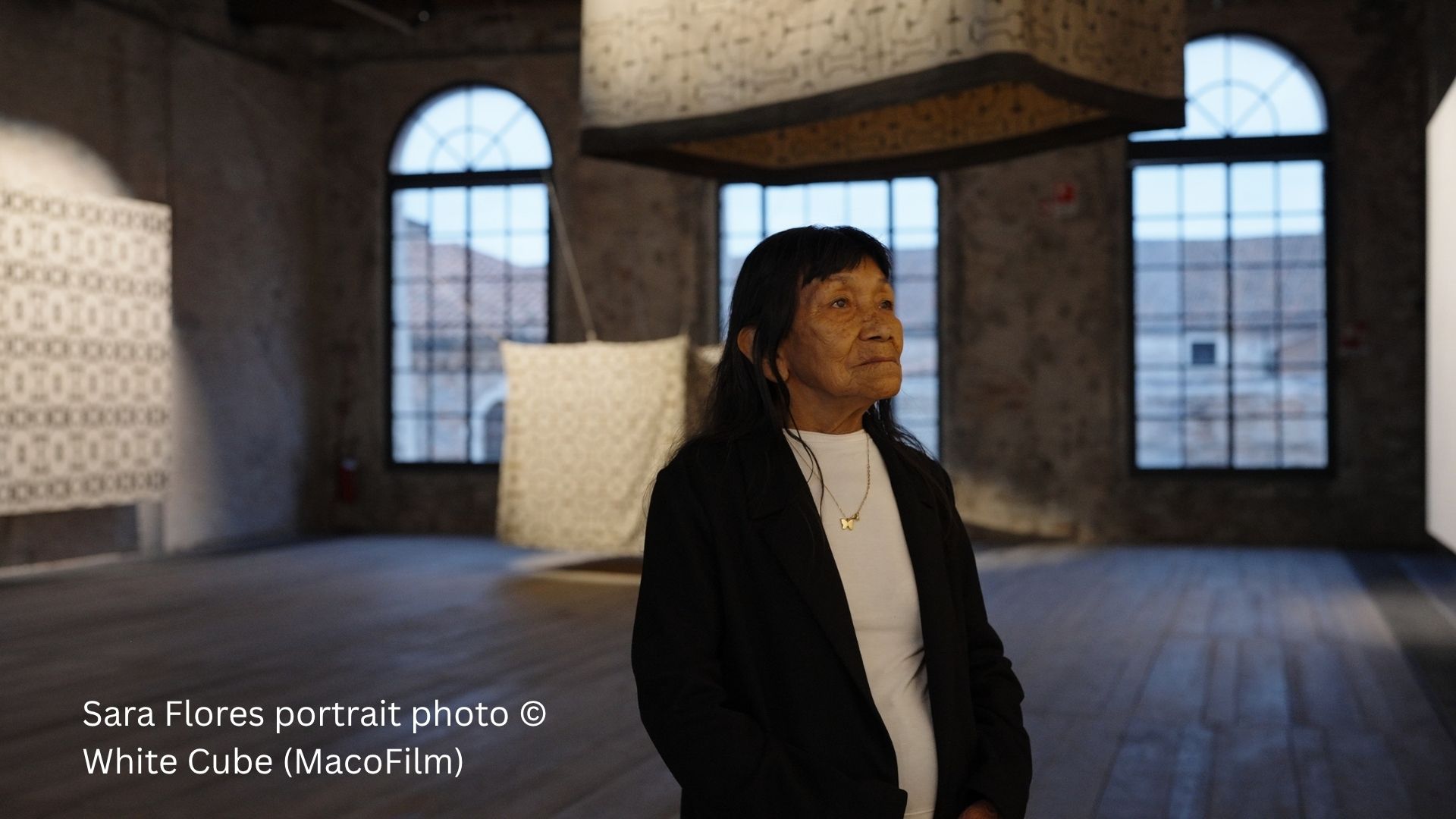
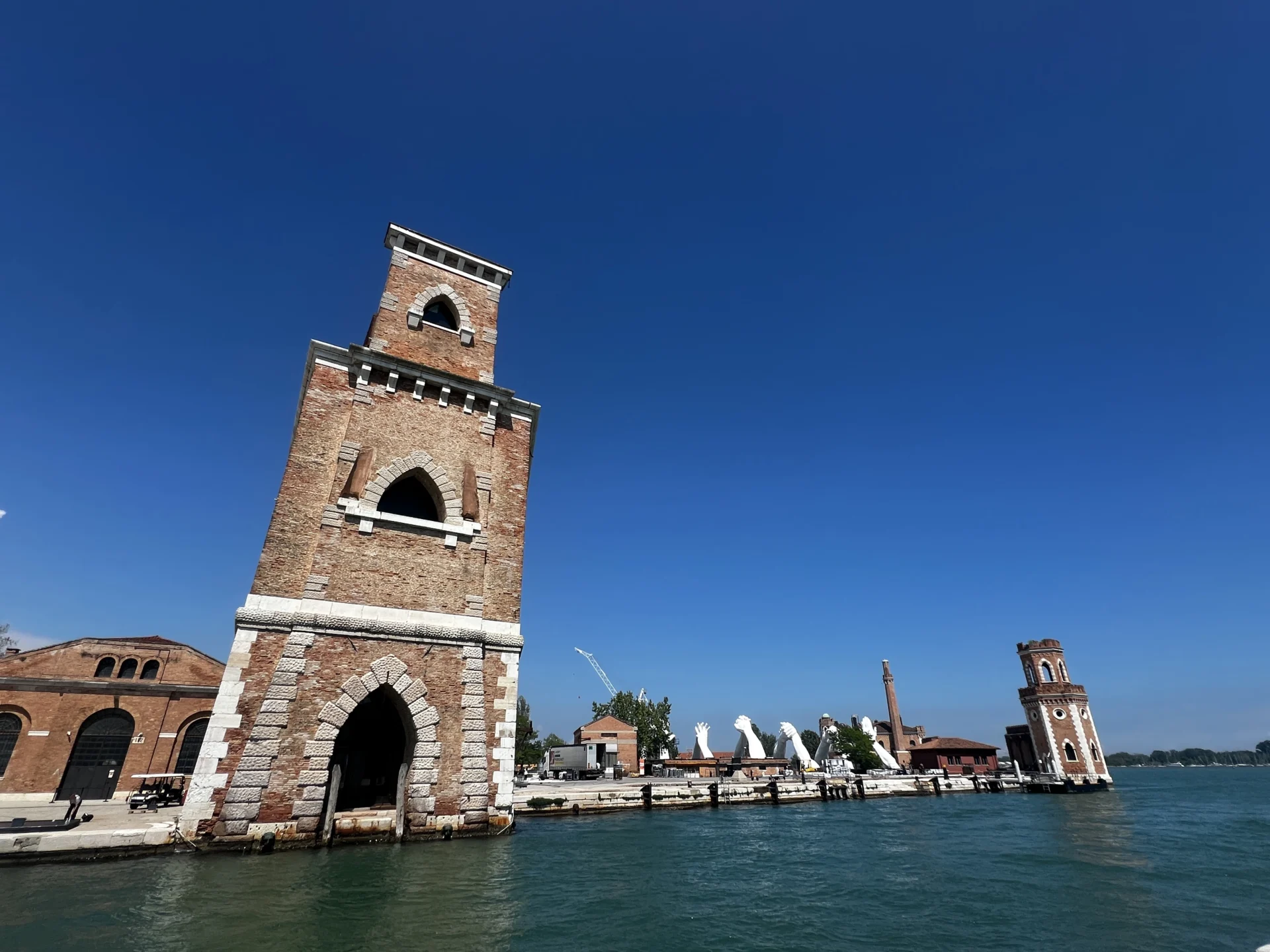
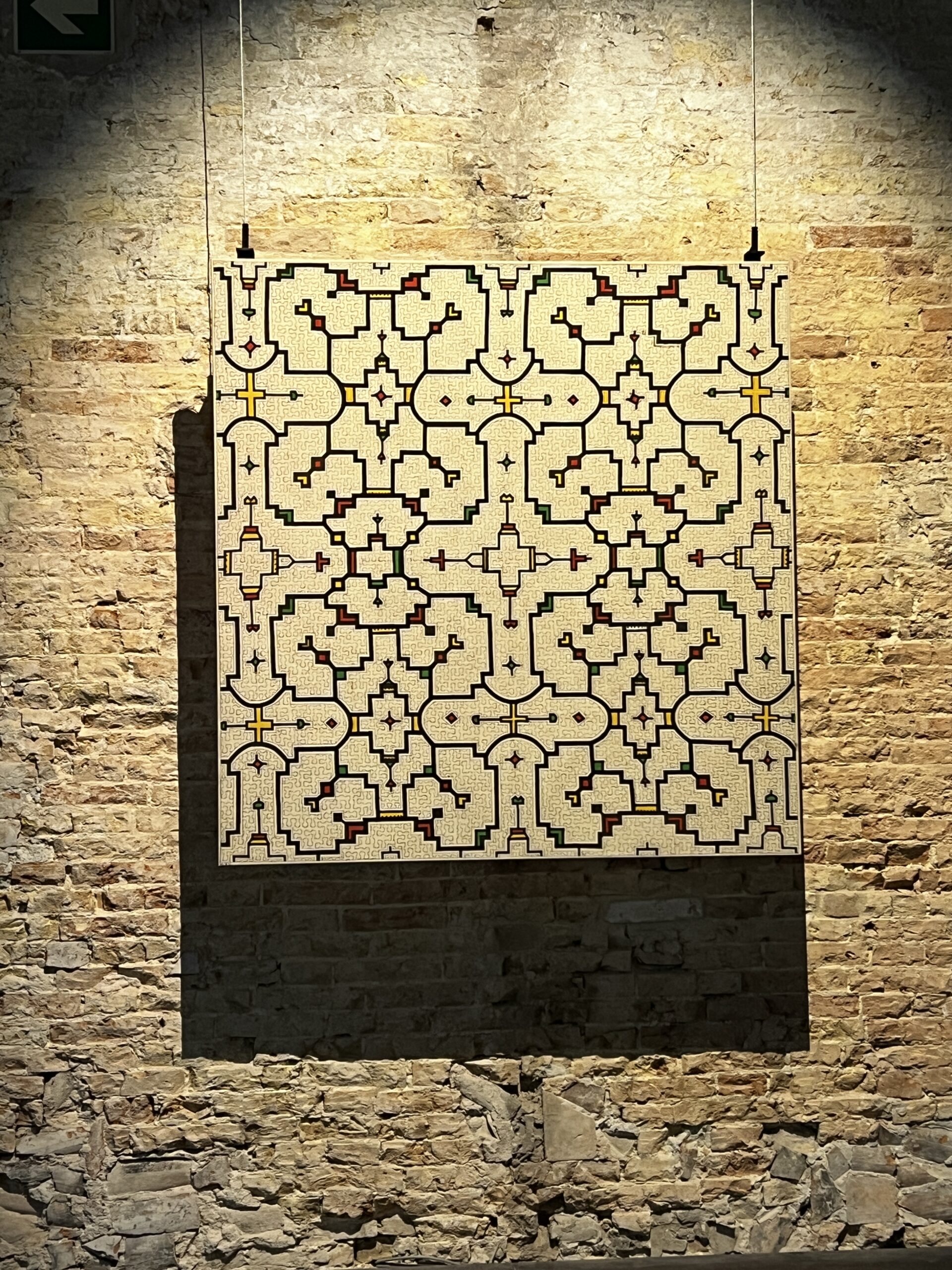
We stood in a Venice gallery as Shipibo art took its place at the Biennale, a moment years in the making for a tradition that has always deserved that kind of recognition.
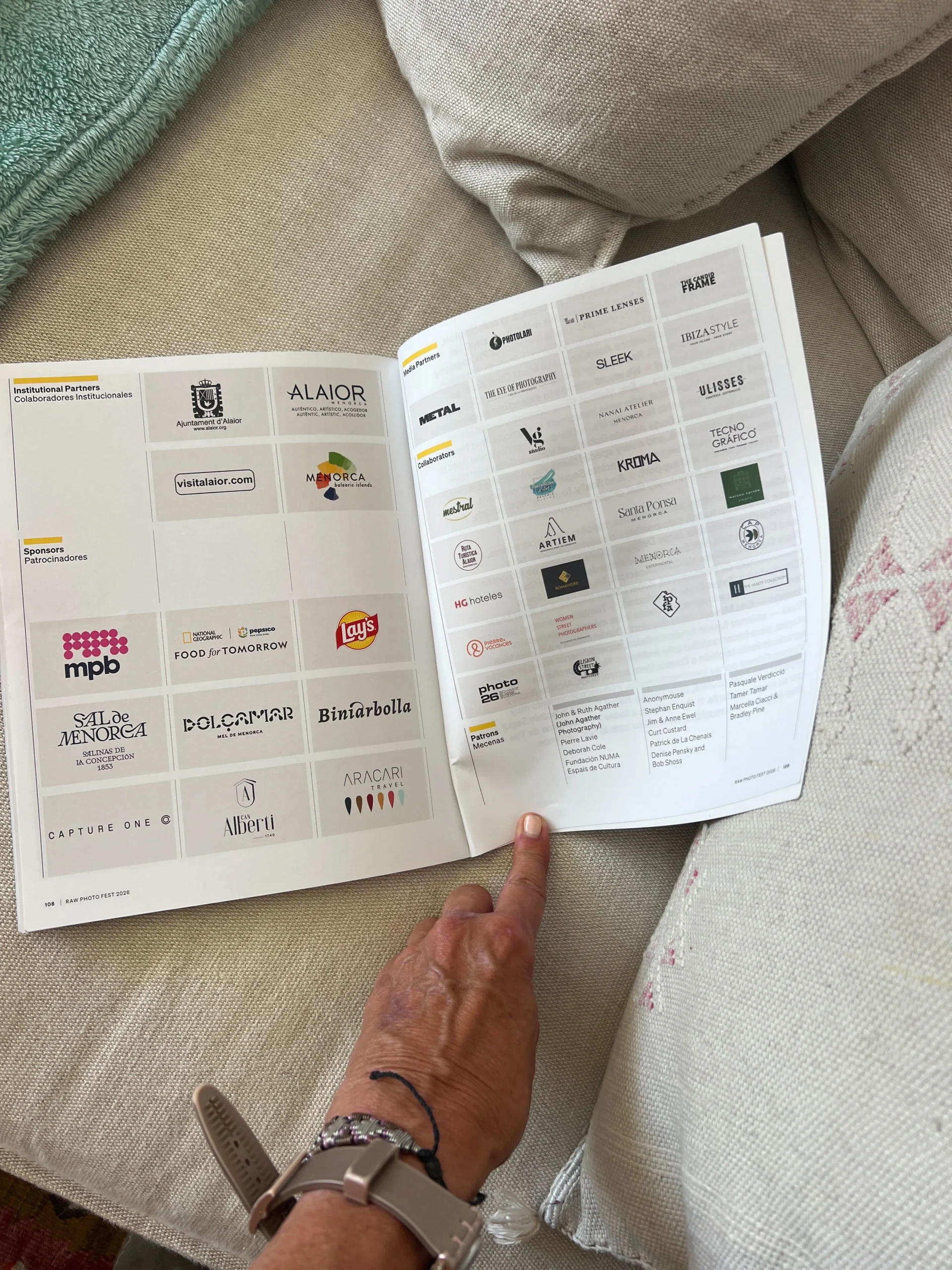
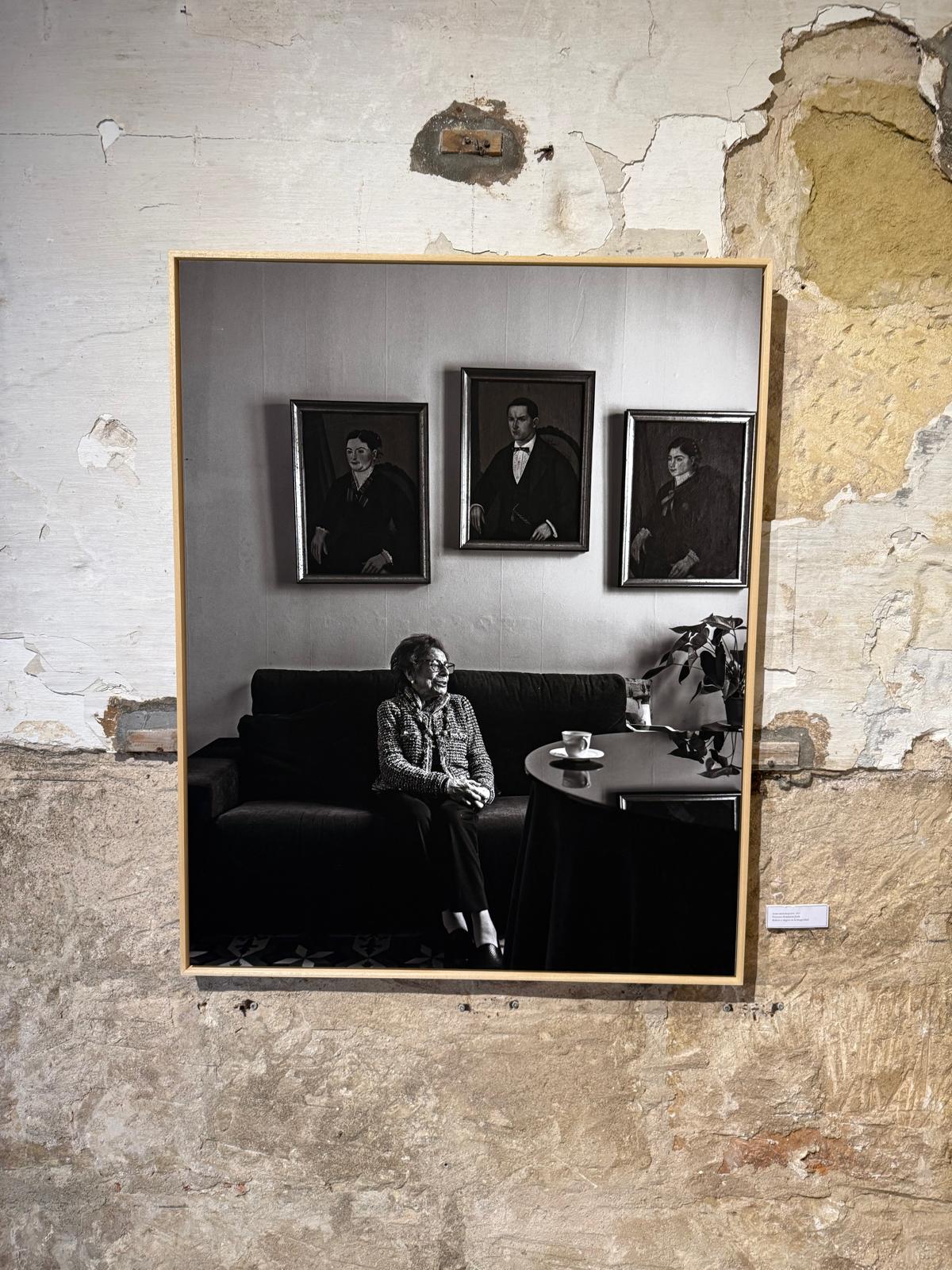
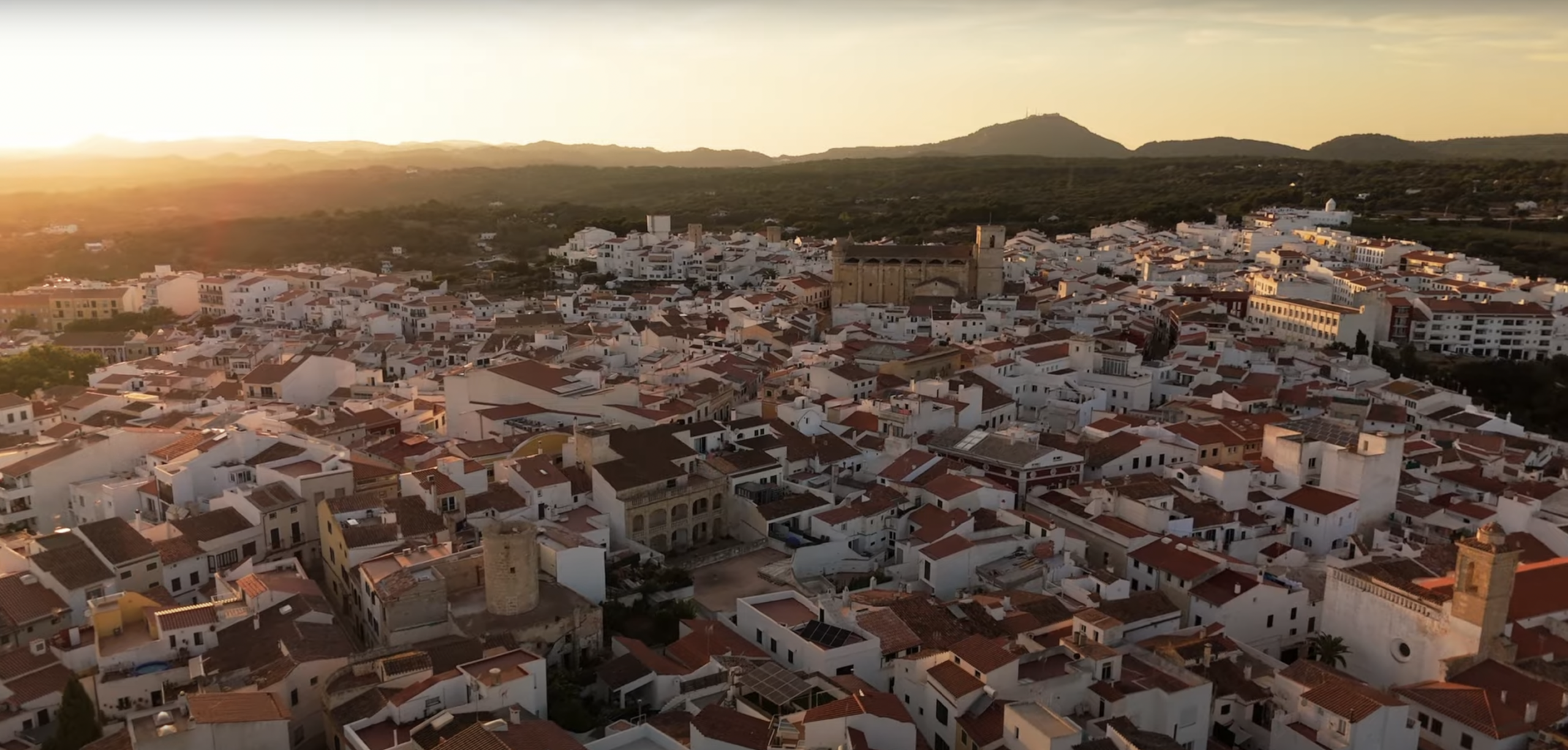
And in Menorca, we were proud sponsors of the inaugural Raw Photo Fest, a festival of photographic storytelling built by people who understand, as we do, that culture and access and narrative are not peripheral concerns but central ones.
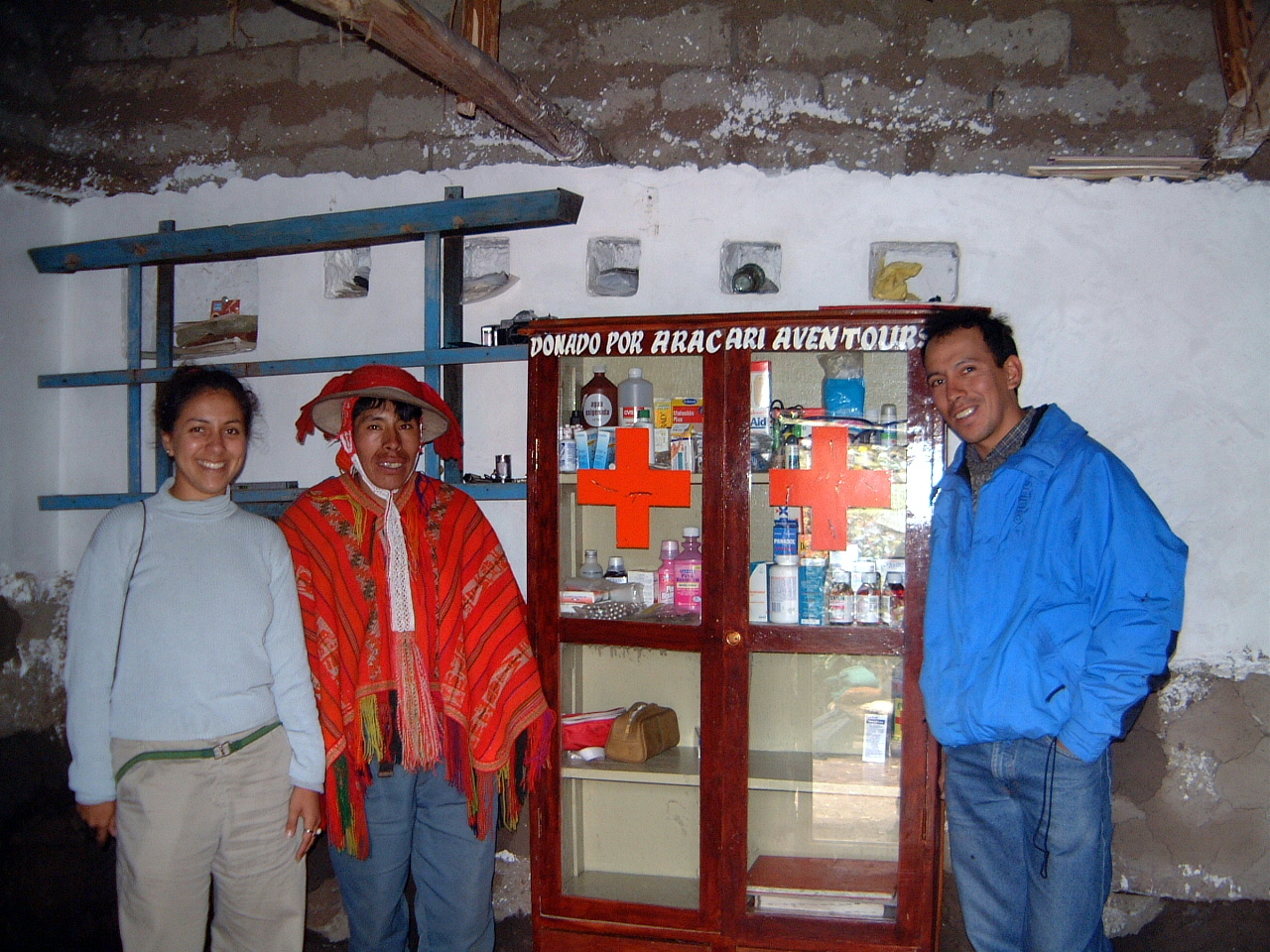
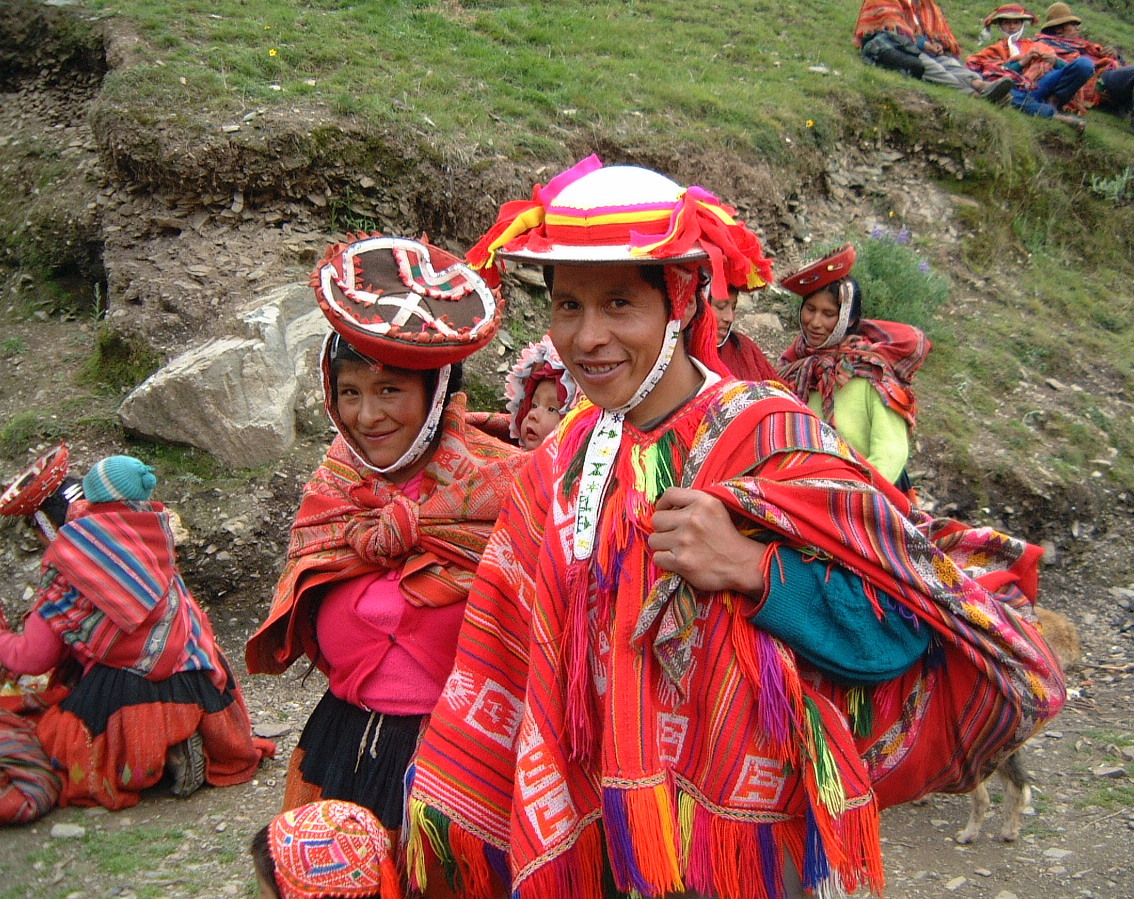
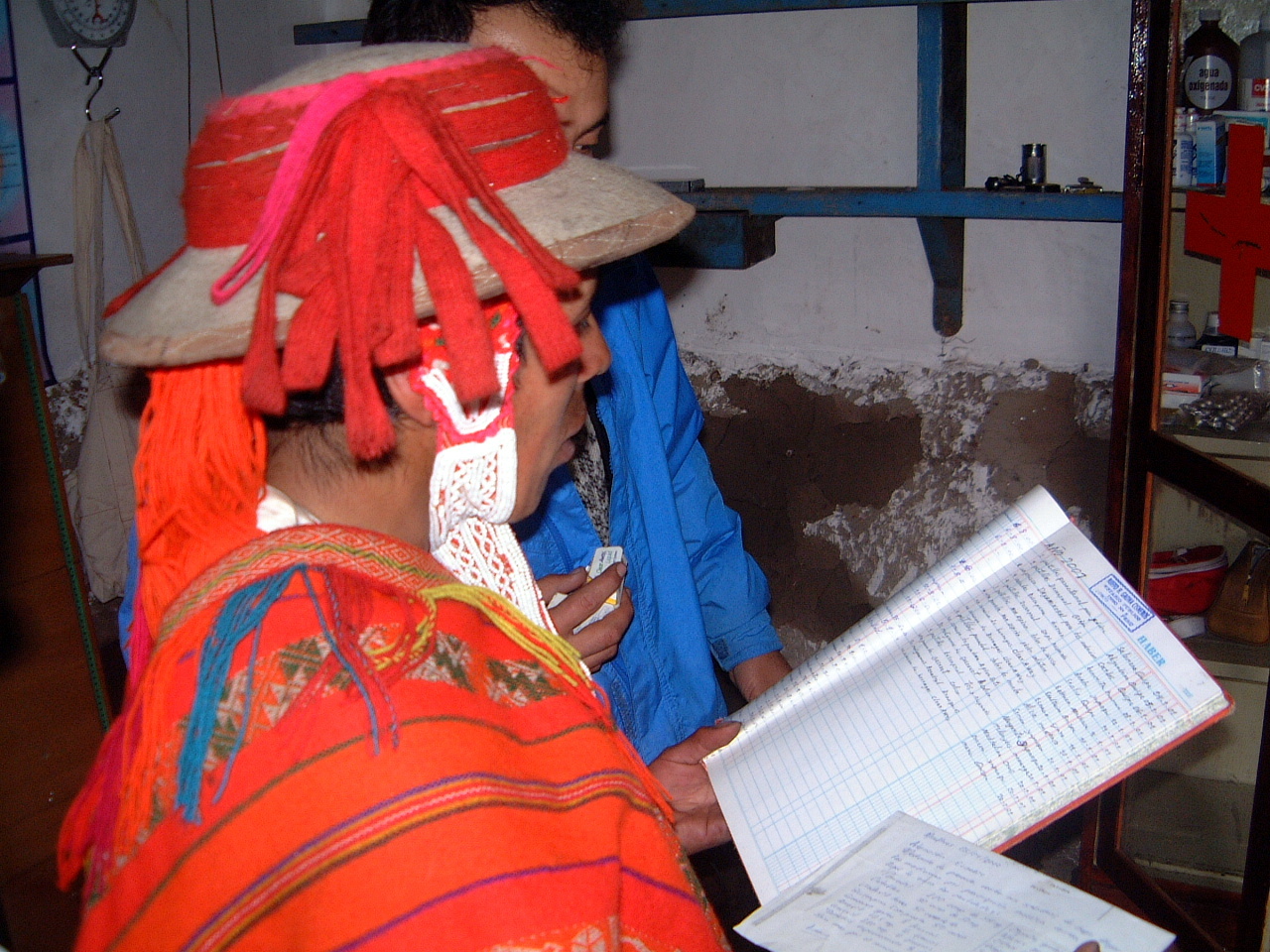
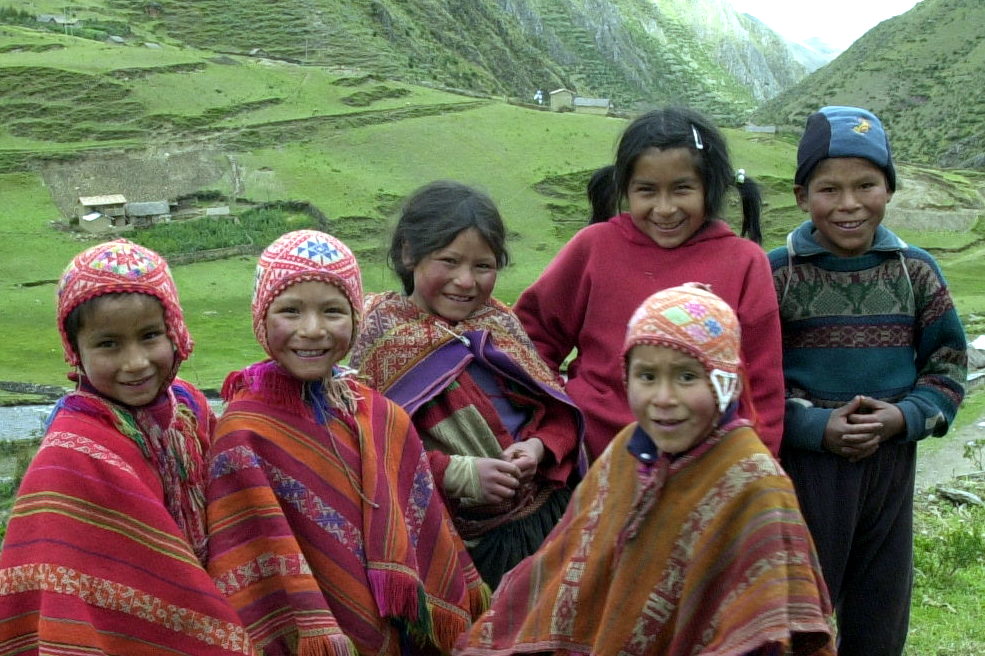
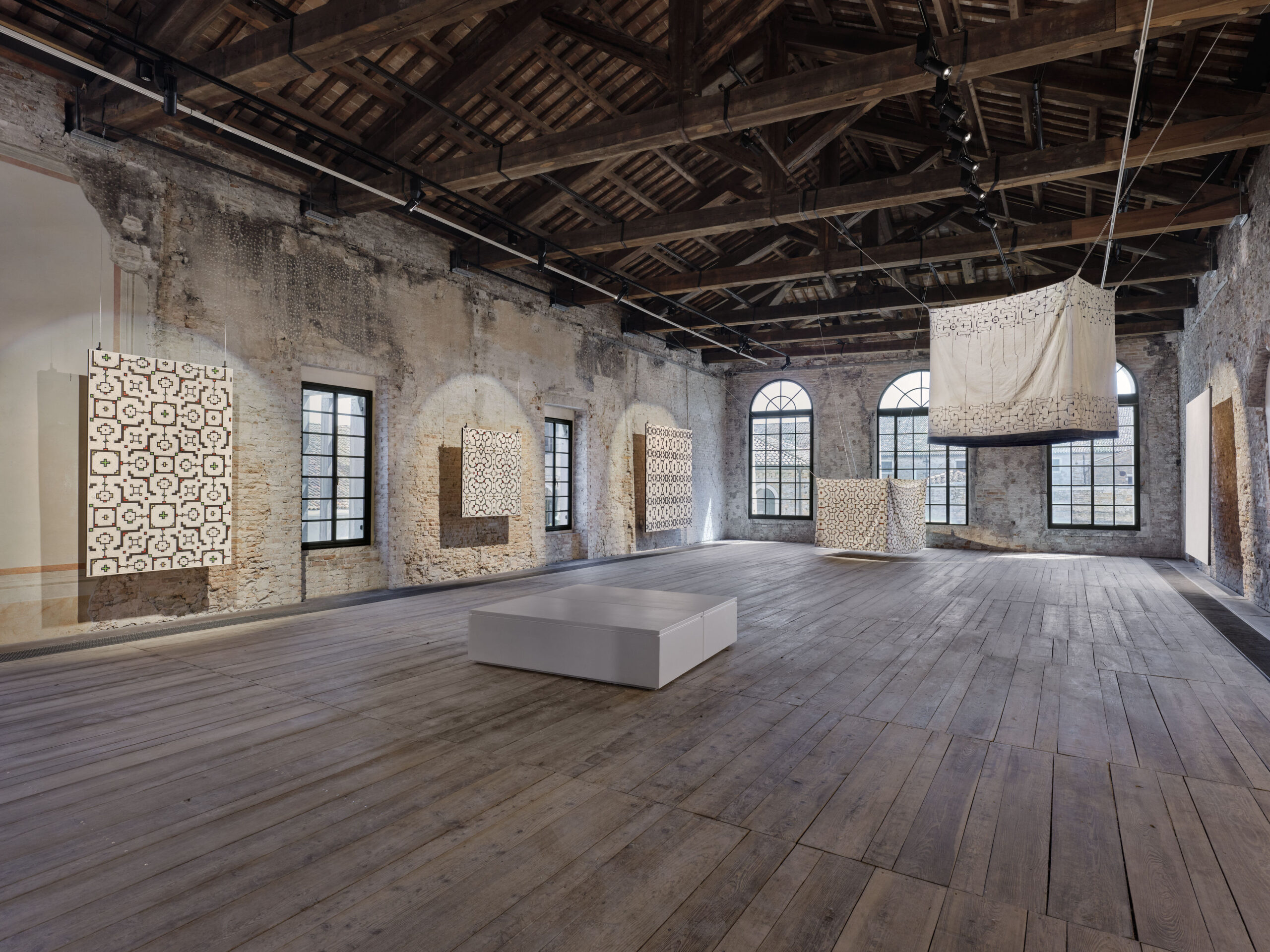
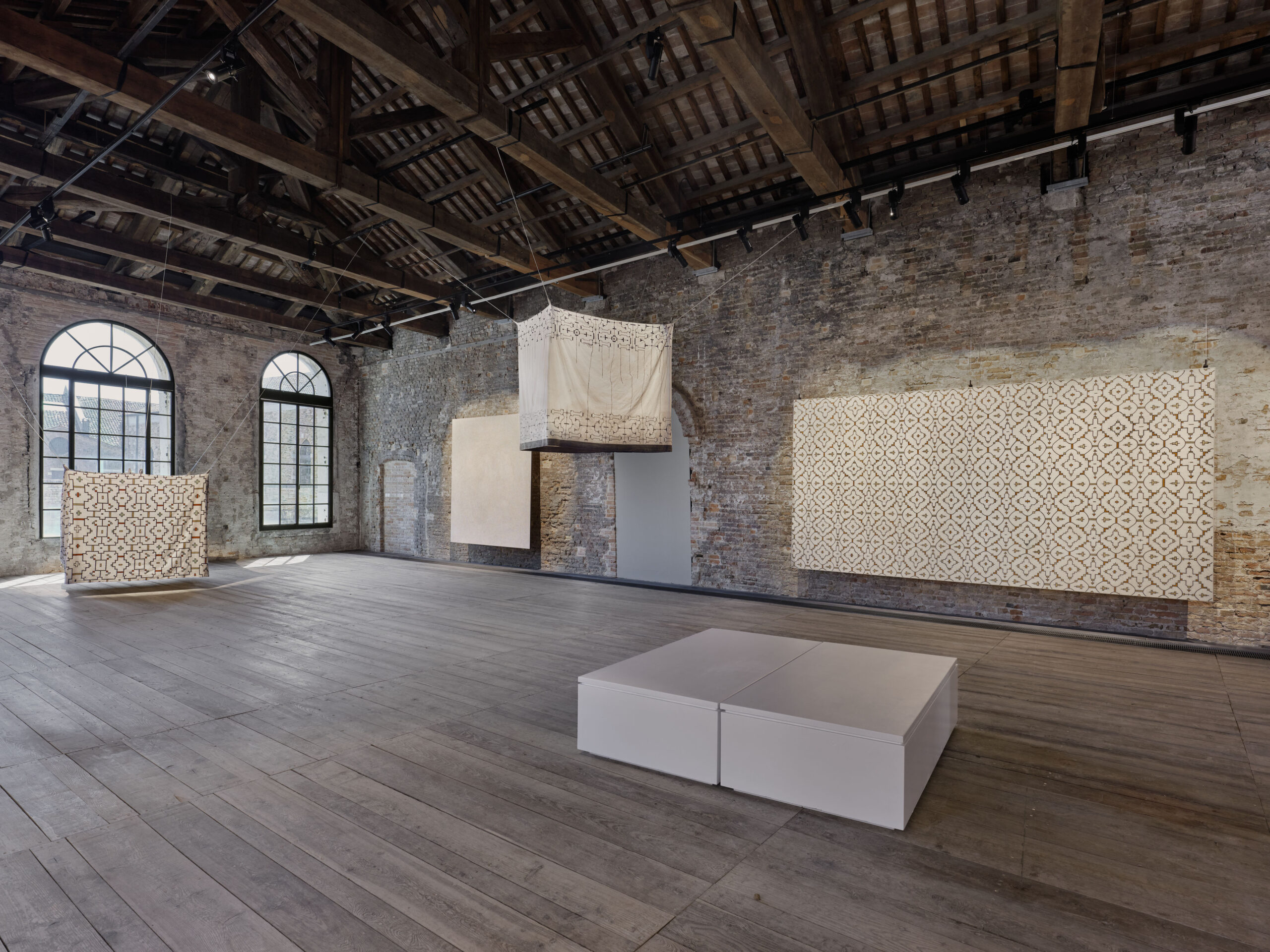
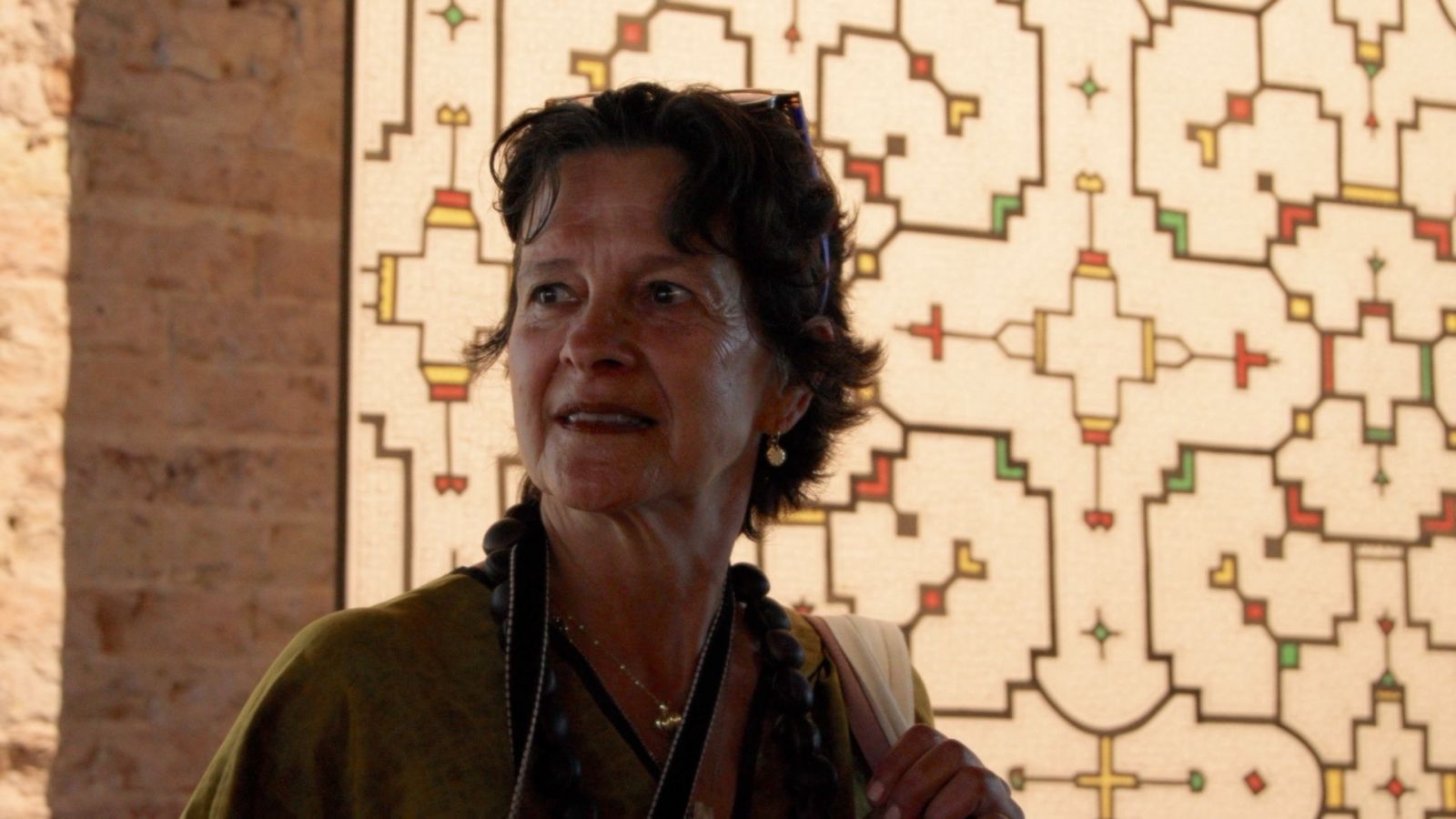
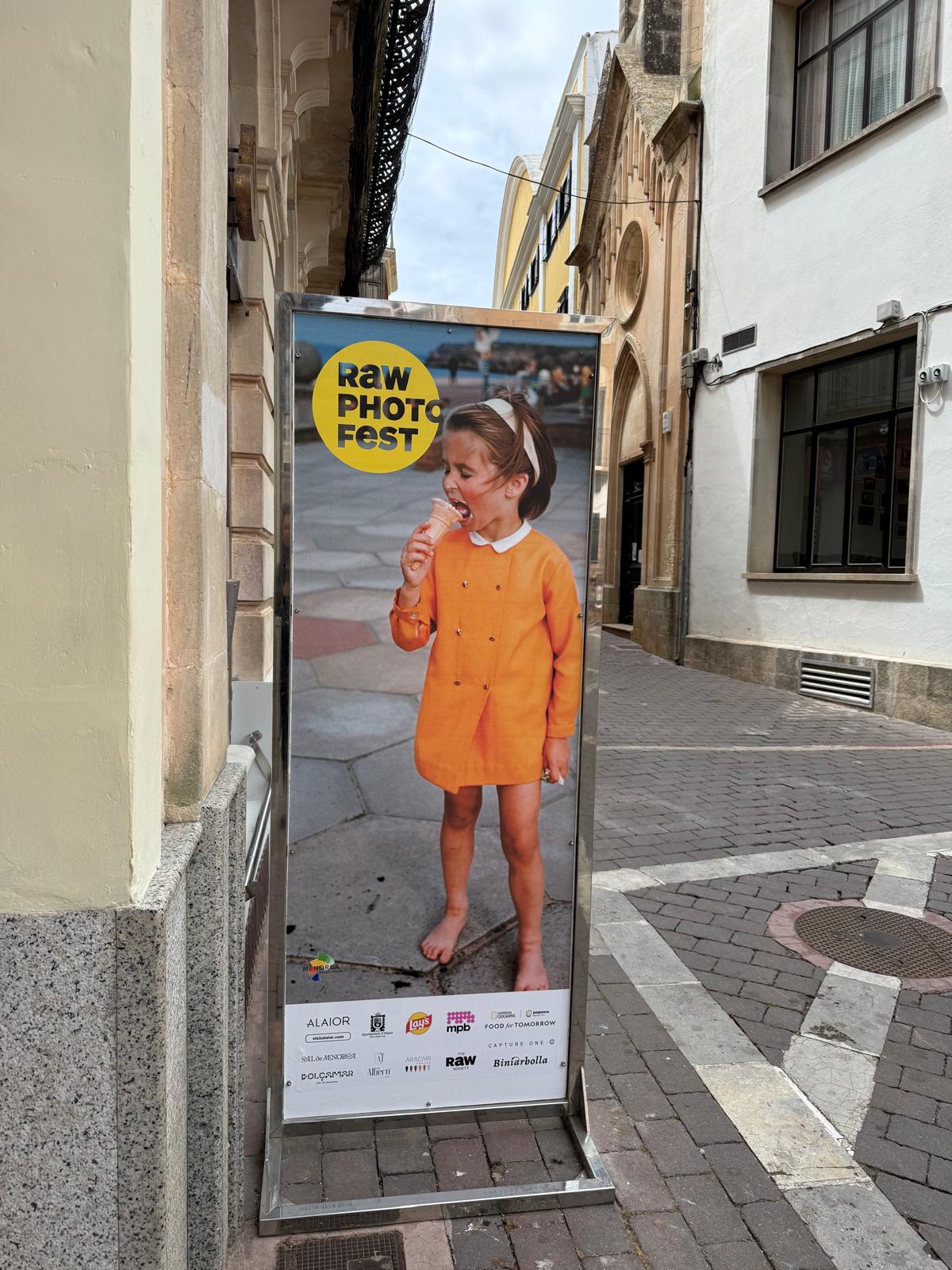
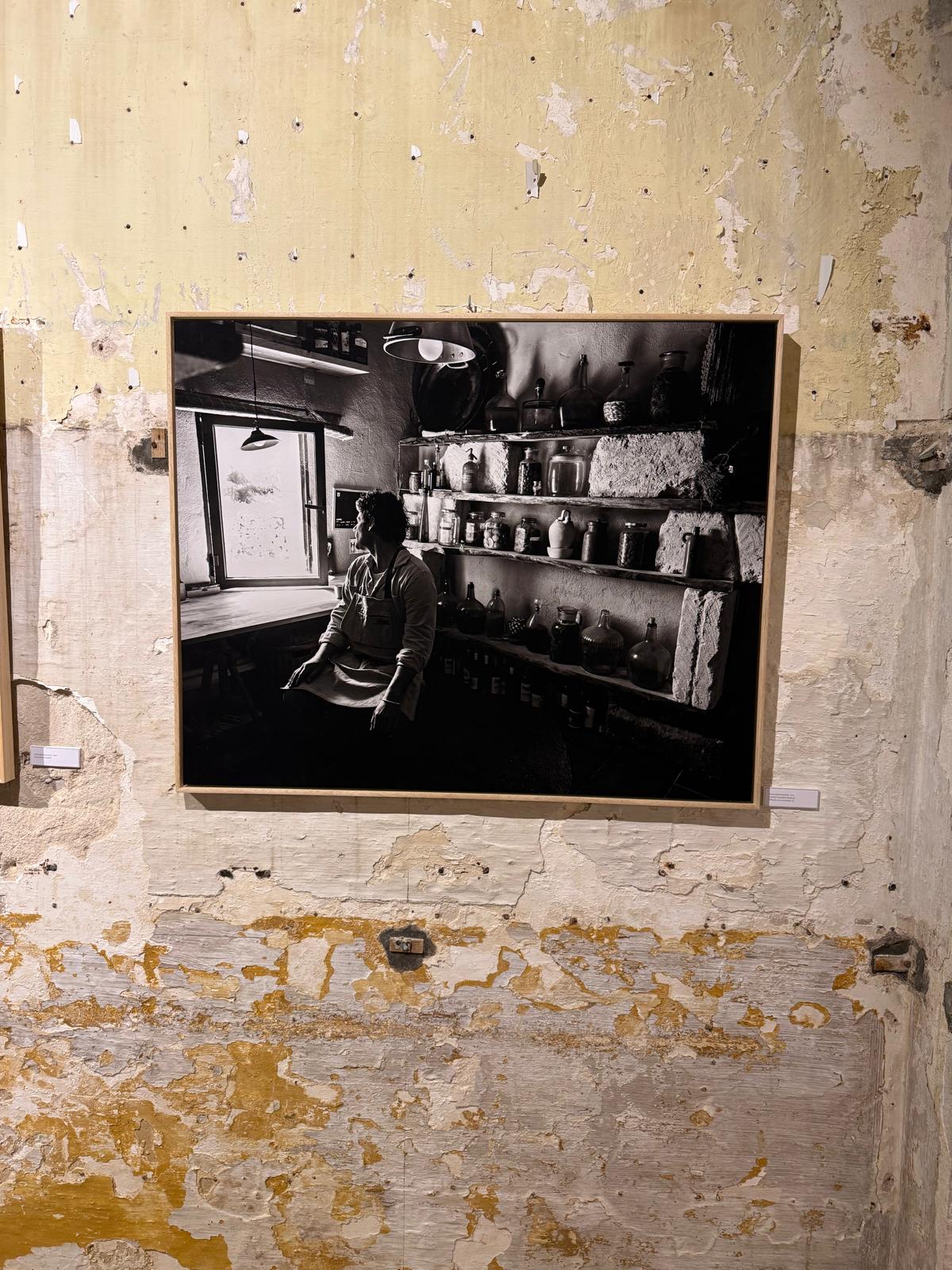
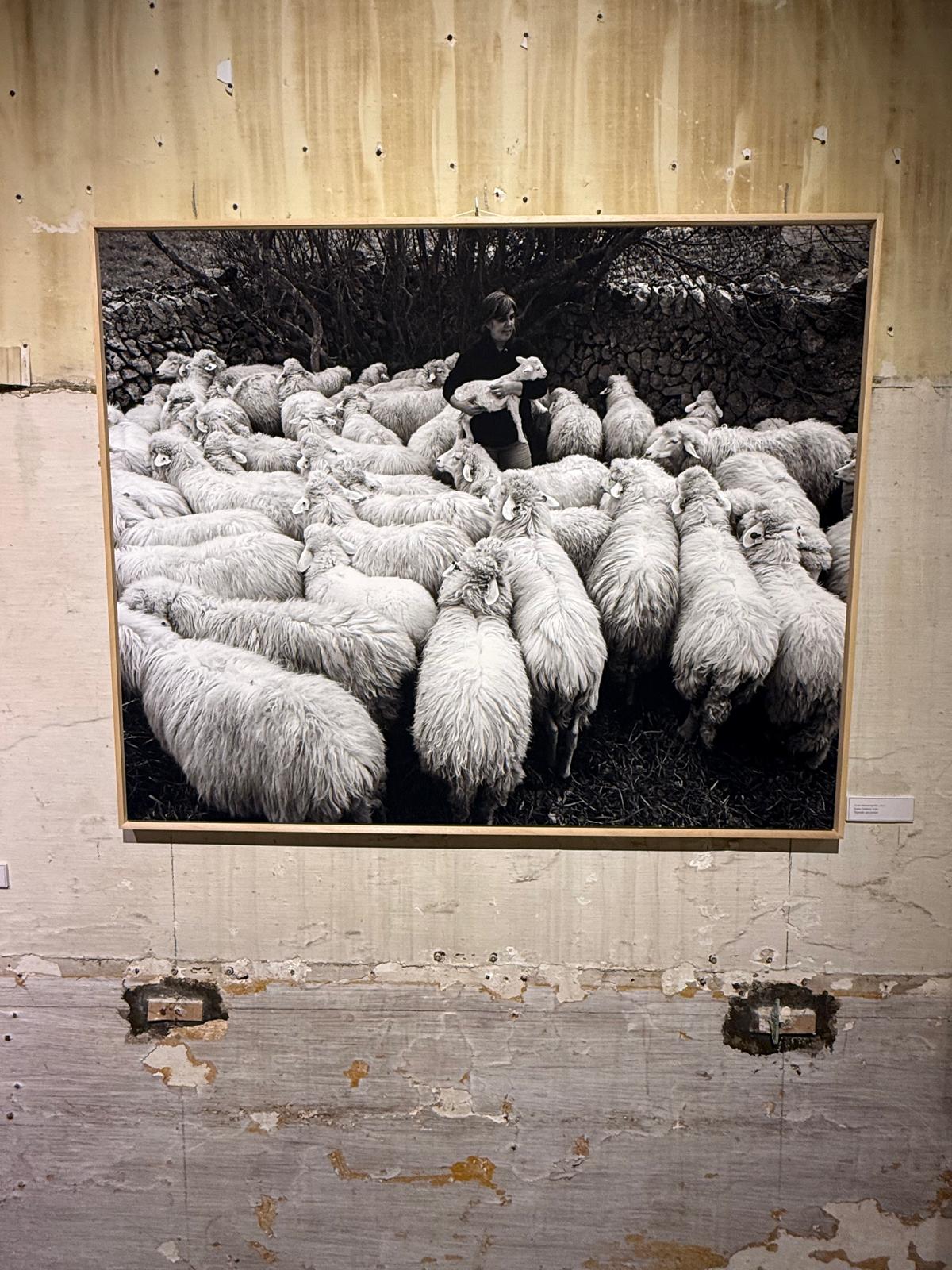
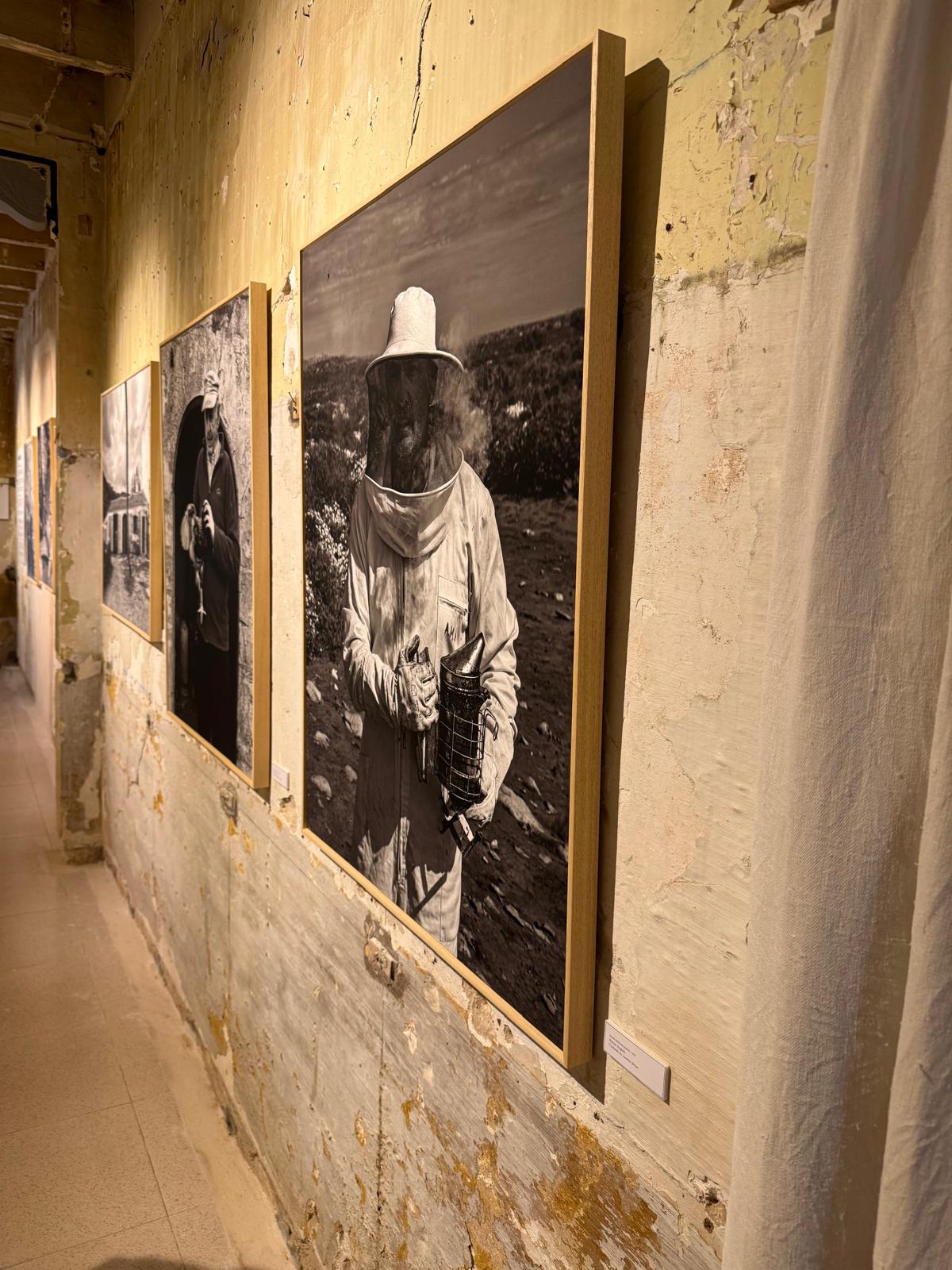
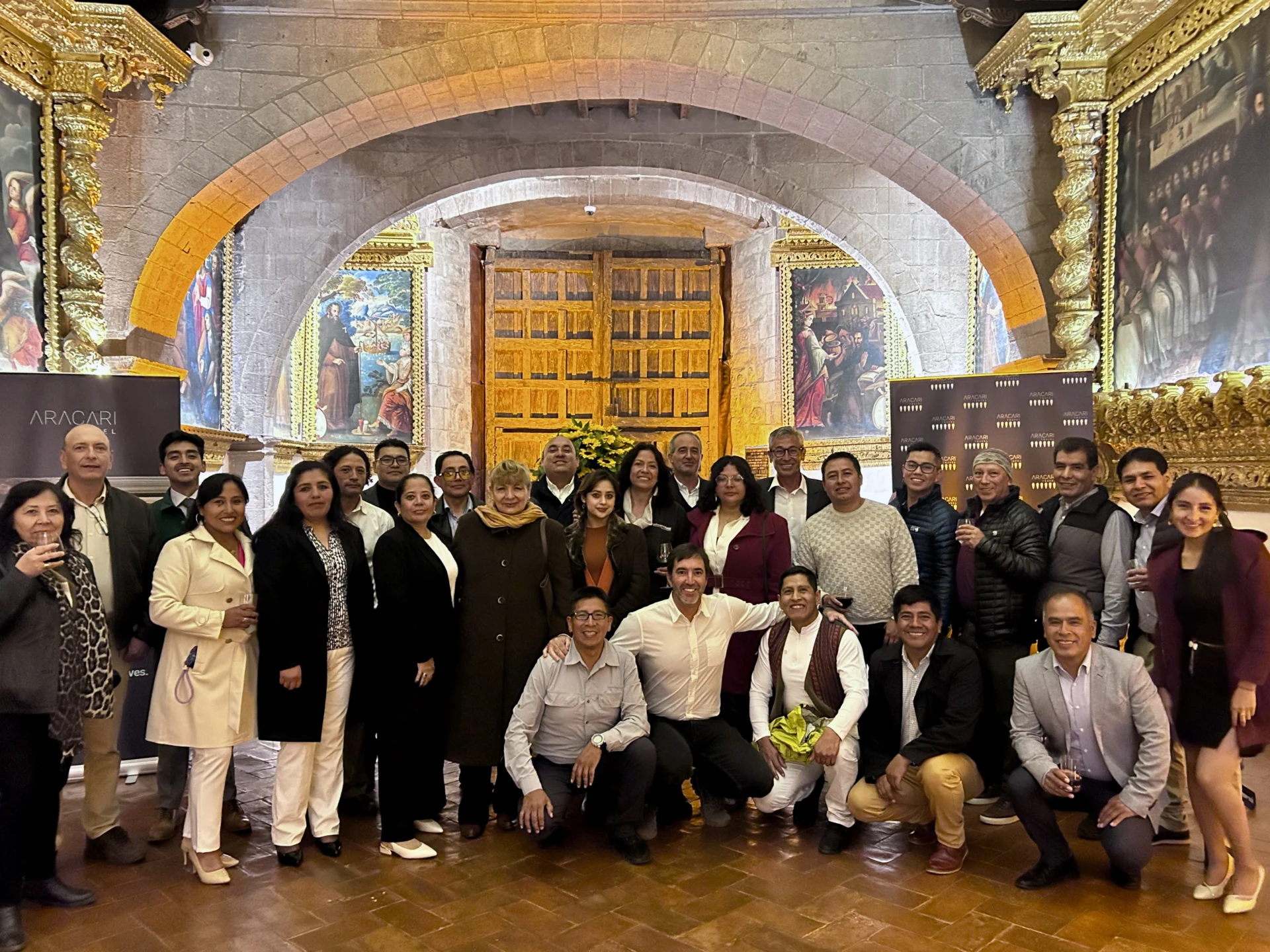
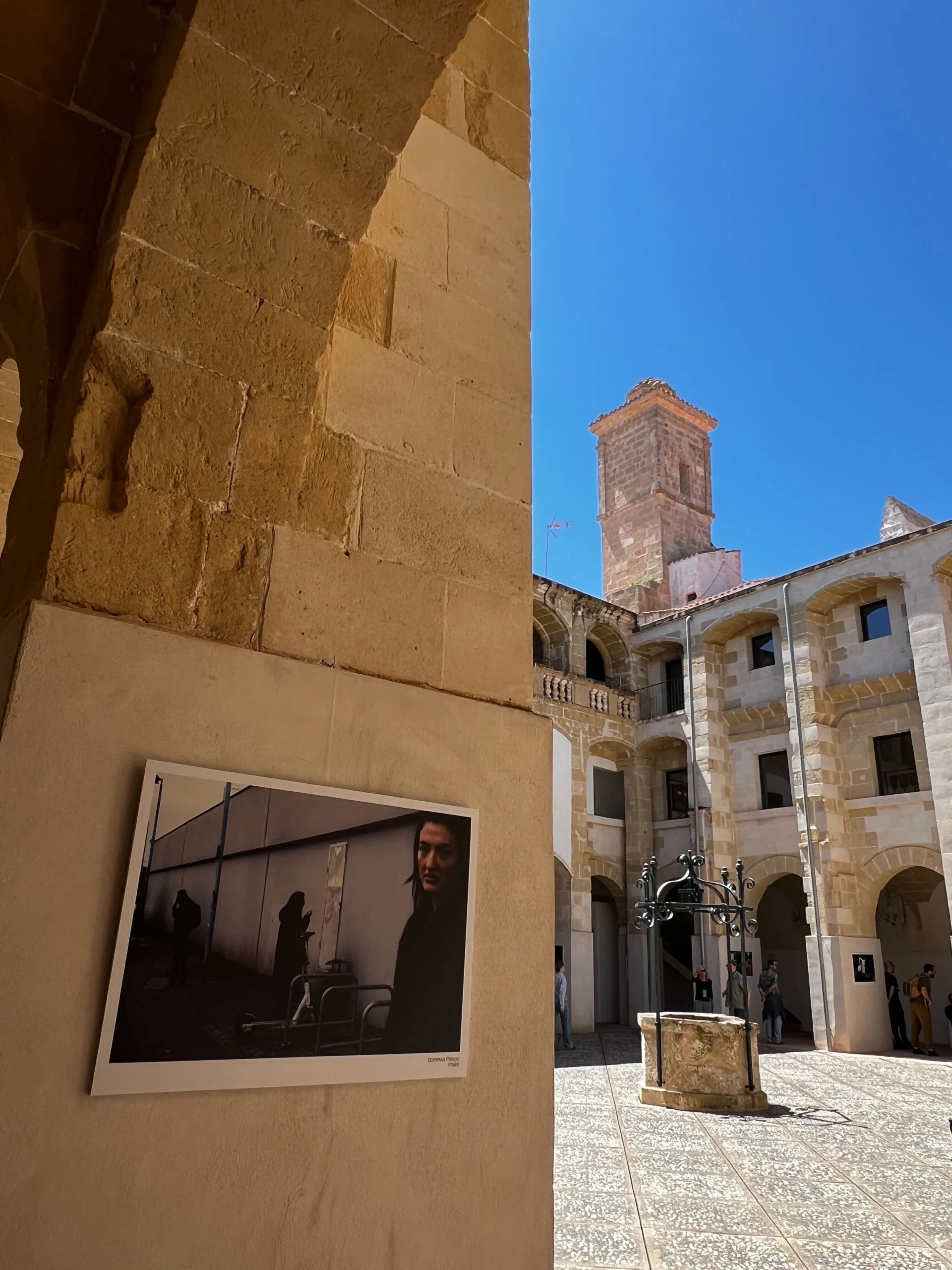
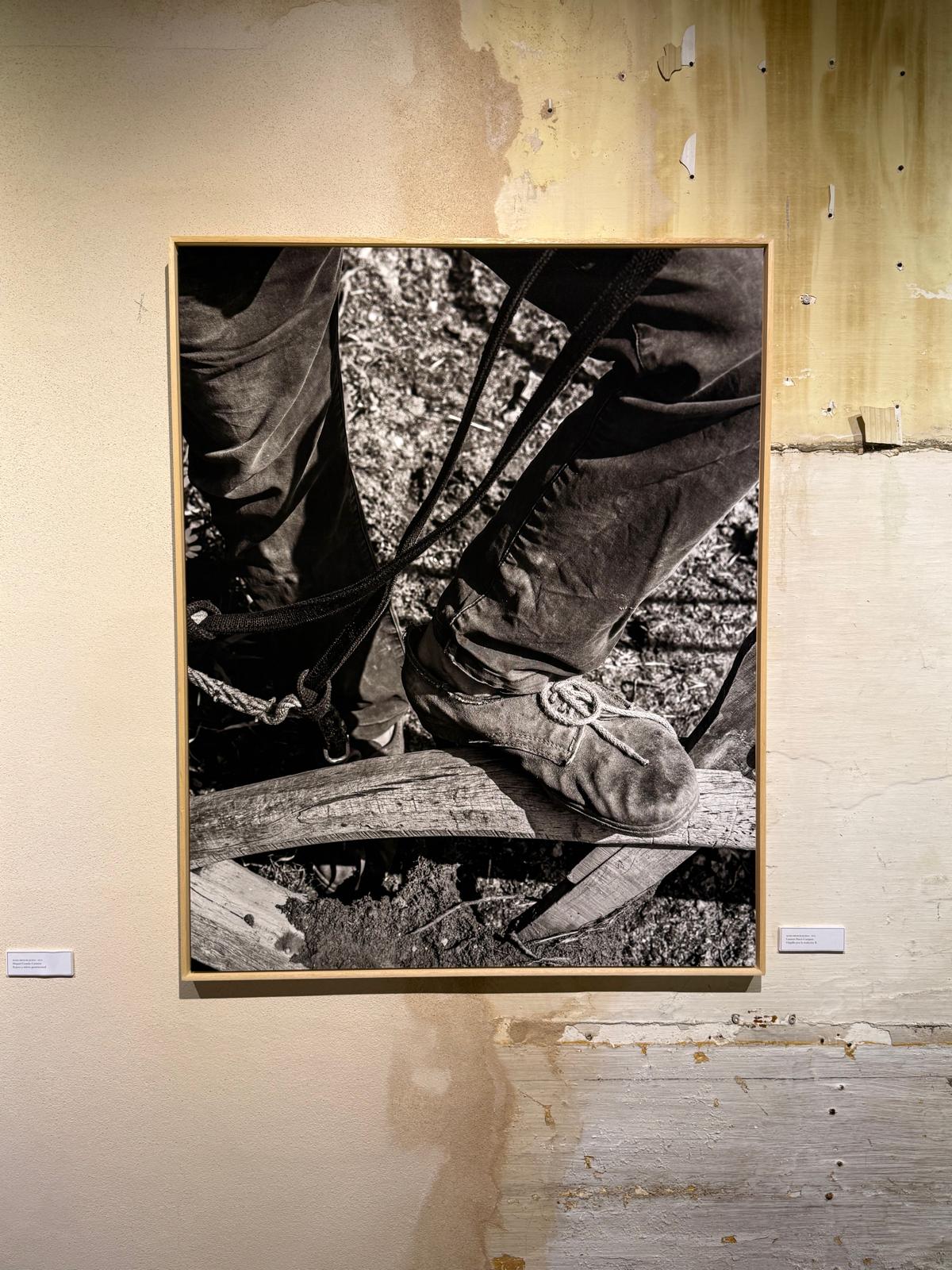
A snapshot of Aracari’s world: archive photographs of the medical cabinet established for a remote community in the Sacred Valley, work that has always been part of who we are and that our membership of The Long Run now brings into sharper focus. Alongside, more recent moments from Raw Photo Fest in Menorca and the Venice Biennale.
Joining The Long Run: the story behind the decision
The story of how Aracari came to join The Long Run begins, as so many of our best decisions do, in the field.
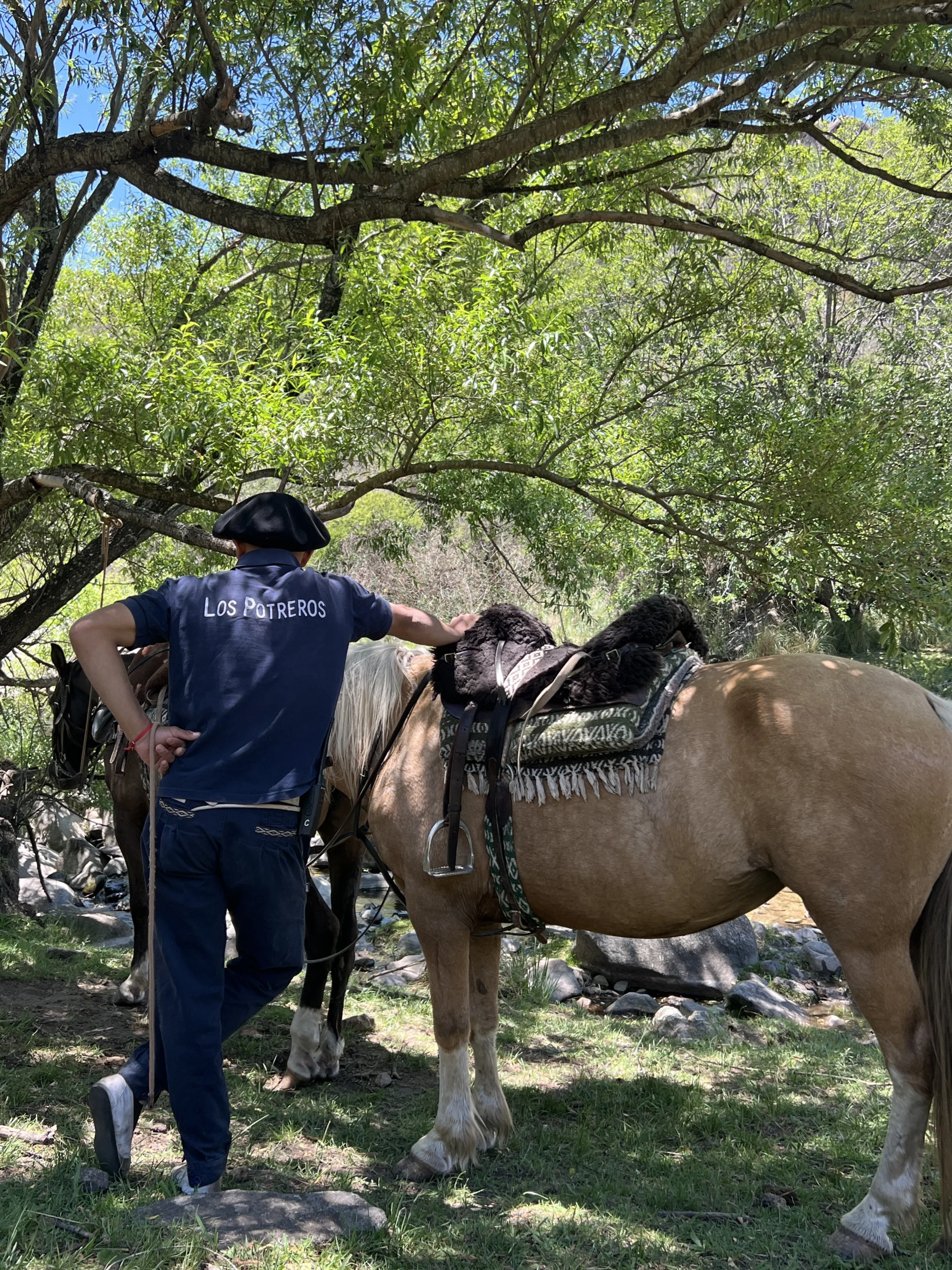
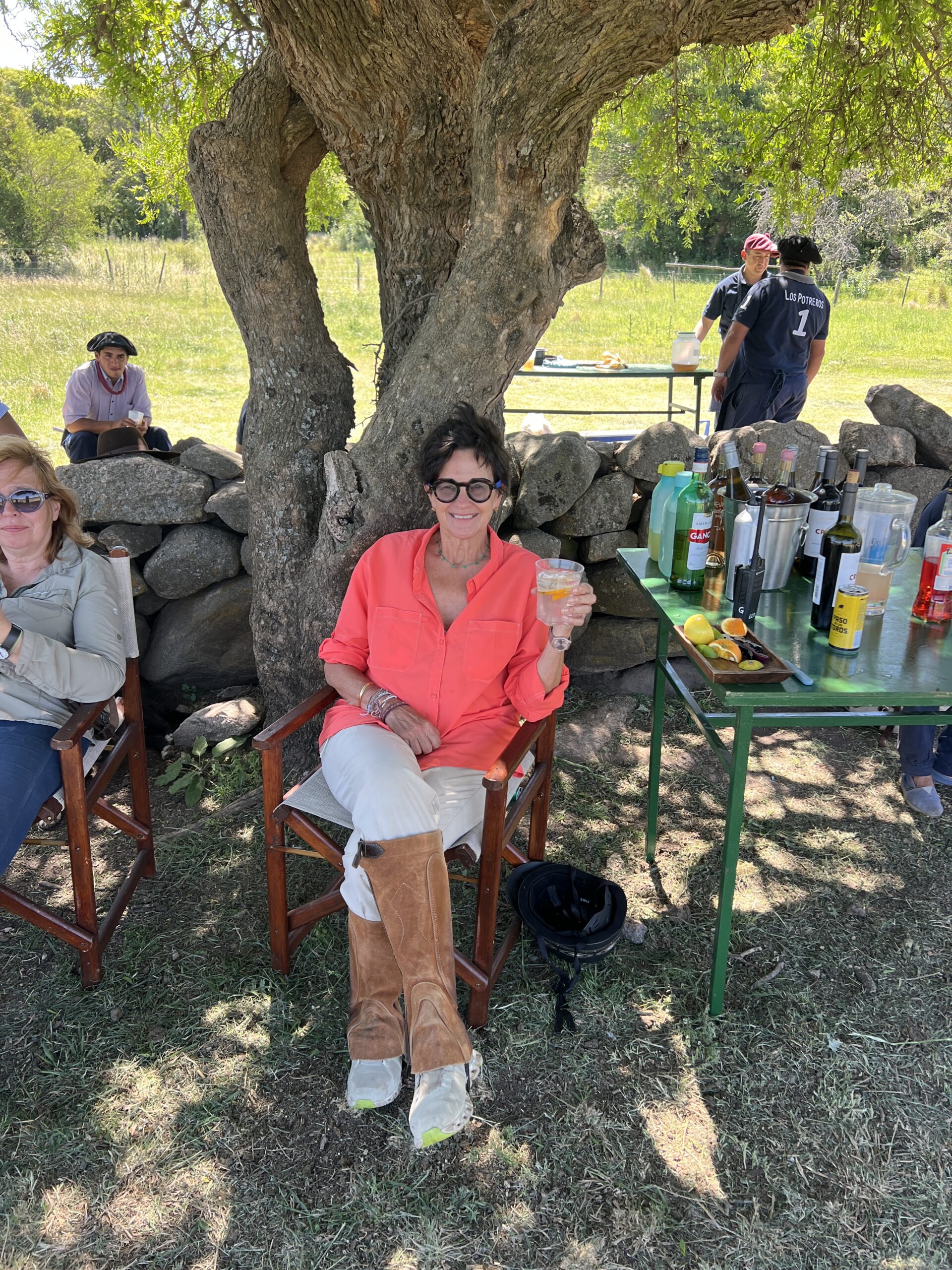
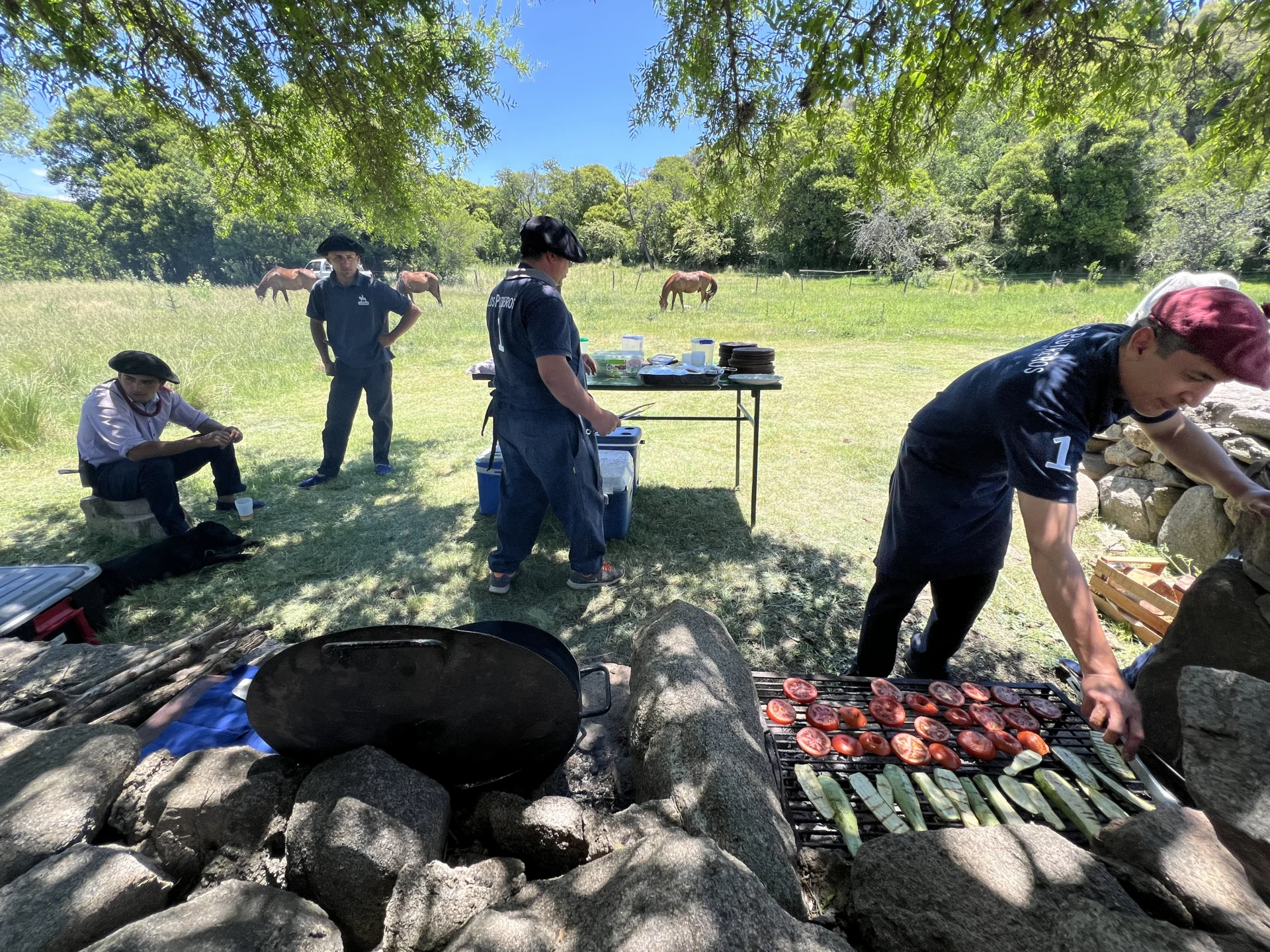
Last year, Marisol was travelling through Northern Argentina when she spent time at Los Potreros, a working estancia in the hills of Córdoba. In fact, it made it into our annual list of the best places to go in South America for the year ahead. What struck her was not just the scenery, though that is a story in itself.
It was the texture of daily life there. Guests invited to help work the land, not for the optics of it but genuinely, riding through the landscape, herding cattle, moving in step with the place. Rooms that were modest and deliberate rather than overworked. Evenings around a shared table, food that was hearty and home-cooked.
What Marisol recognised was that none of this was a coincidence. The coherence of it, the way every element connected to every other, was the result of something concrete. Los Potreros is a Long Run member.
The Long Run is a global network of nature-based tourism businesses committed to operating across four dimensions of sustainability simultaneously: conservation, community, culture, and commerce. What it offers its members is not a badge but a framework, a rigorous, joined-up strategy for translating good intentions into a way of doing business.
Within Aracari, we have always operated with a strong sense of responsibility. We celebrate our guides every year in Cusco. We open tourism to remote communities long before the infrastructure is ready, because we believe access should not be determined by convenience. We seek out cultural practitioners who sit well outside the conventional tourist circuit and build relationships with them over years, sometimes decades.
In 1998, we established a medical cabinet in the remote community of Patakancha in the Sacred Valley, not as a programme or an initiative but simply because it was the right thing to do. Almost 30 years later, Marisol will shortly return to visit the same family. That thread, unbroken across three decades, is the kind of commitment that sits at the heart of everything we do.
These things are part of our identity. But seeing Los Potreros in action made us wonder whether there was an opportunity to bring all of it into sharper focus, to house our existing commitments within a more visible and cohesive structure. Not to be seen to be doing something new, but to do more deliberately what we have always done.
We are delighted to have been accepted as members of The Long Run, and we are working carefully on how best to bring our existing programmes, relationships and practices into alignment with their framework. More on that as it takes shape.
The Raw Photo Fest, Menorca: the company you keep
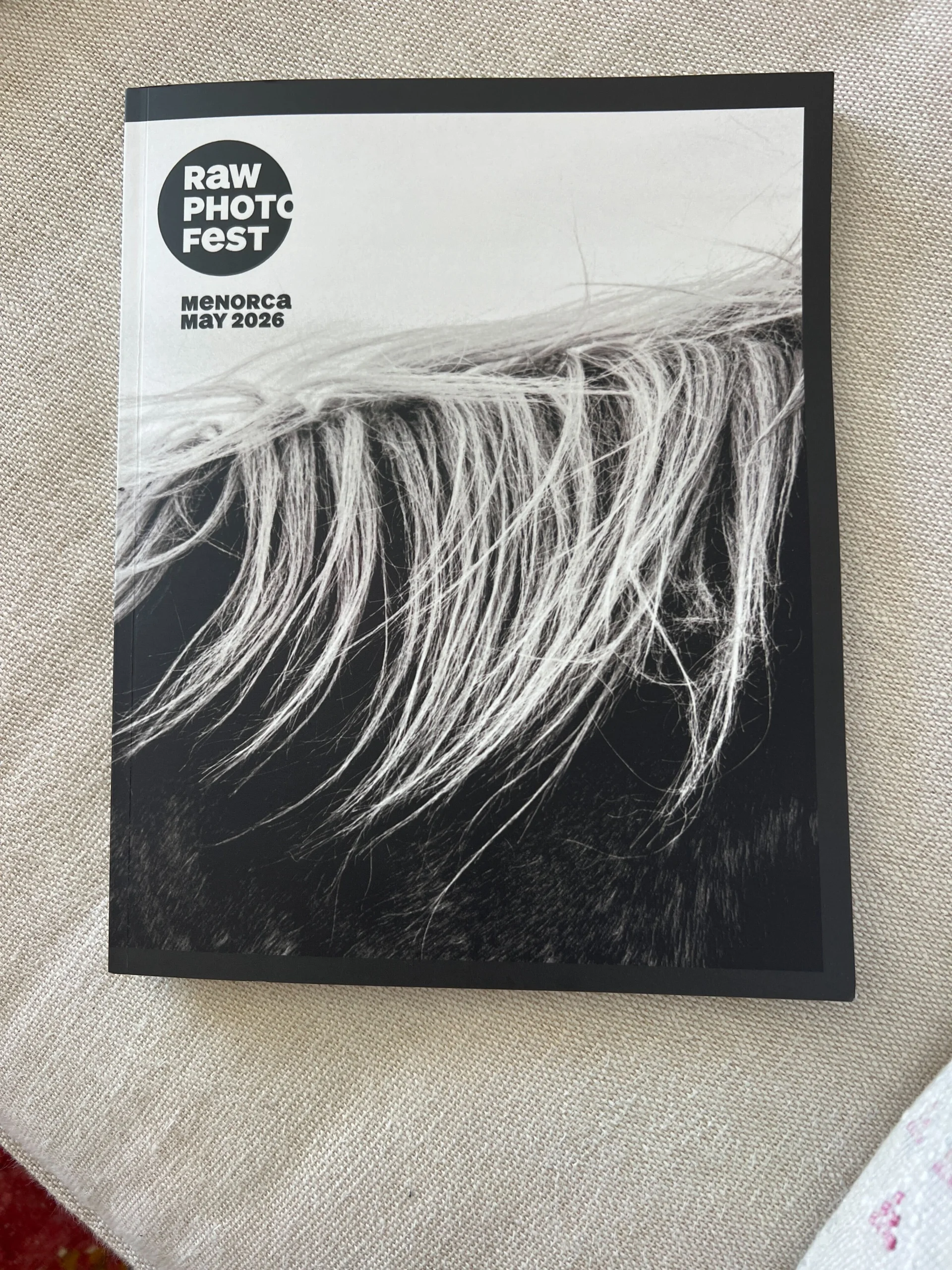
Between 7th and 10th May 2026, Aracari was a proud sponsor of the inaugural Raw Photo Fest in Menorca, the brainchild of Jorge Delgado-Ureña and Christelle Enquist, founders of The Raw Society.
Since 2016, The Raw Society has built something deeply valuable: a global community of photographers and educators united by a commitment to documentary storytelling that ventures into the world’s most remote and overlooked corners. Their award-winning magazine is a case in point, a publication that gives space to the kind of photography that rarely finds its way into the mainstream.
Raw Photo Fest was an extension of that spirit, gathering exhibitions, conversations and bodies of work that probed perspective and refused easy interpretation. For its inaugural edition, Menorca provided a perfect backdrop: an island with its own strong sense of place that felt entirely in keeping with the work being shown.
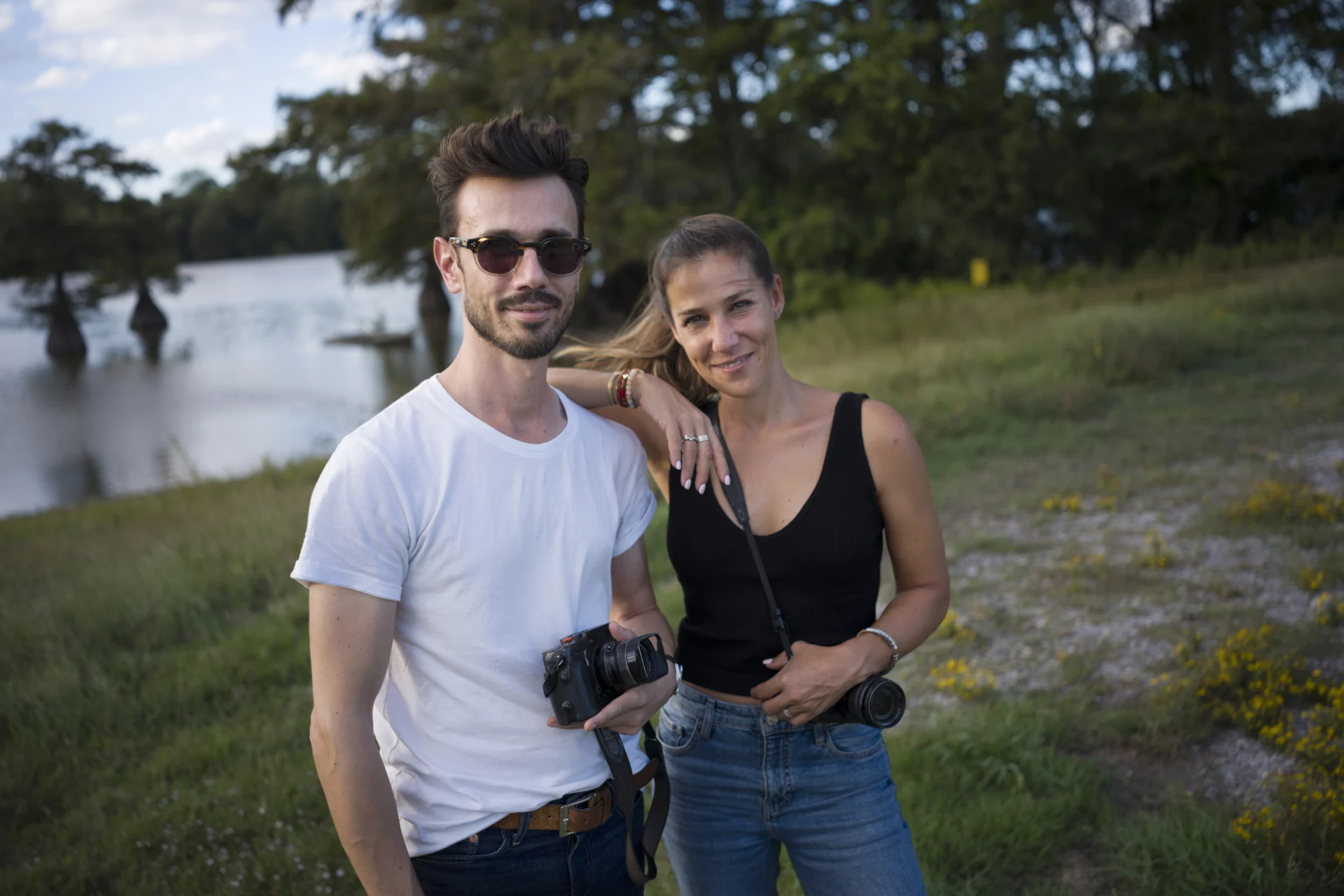
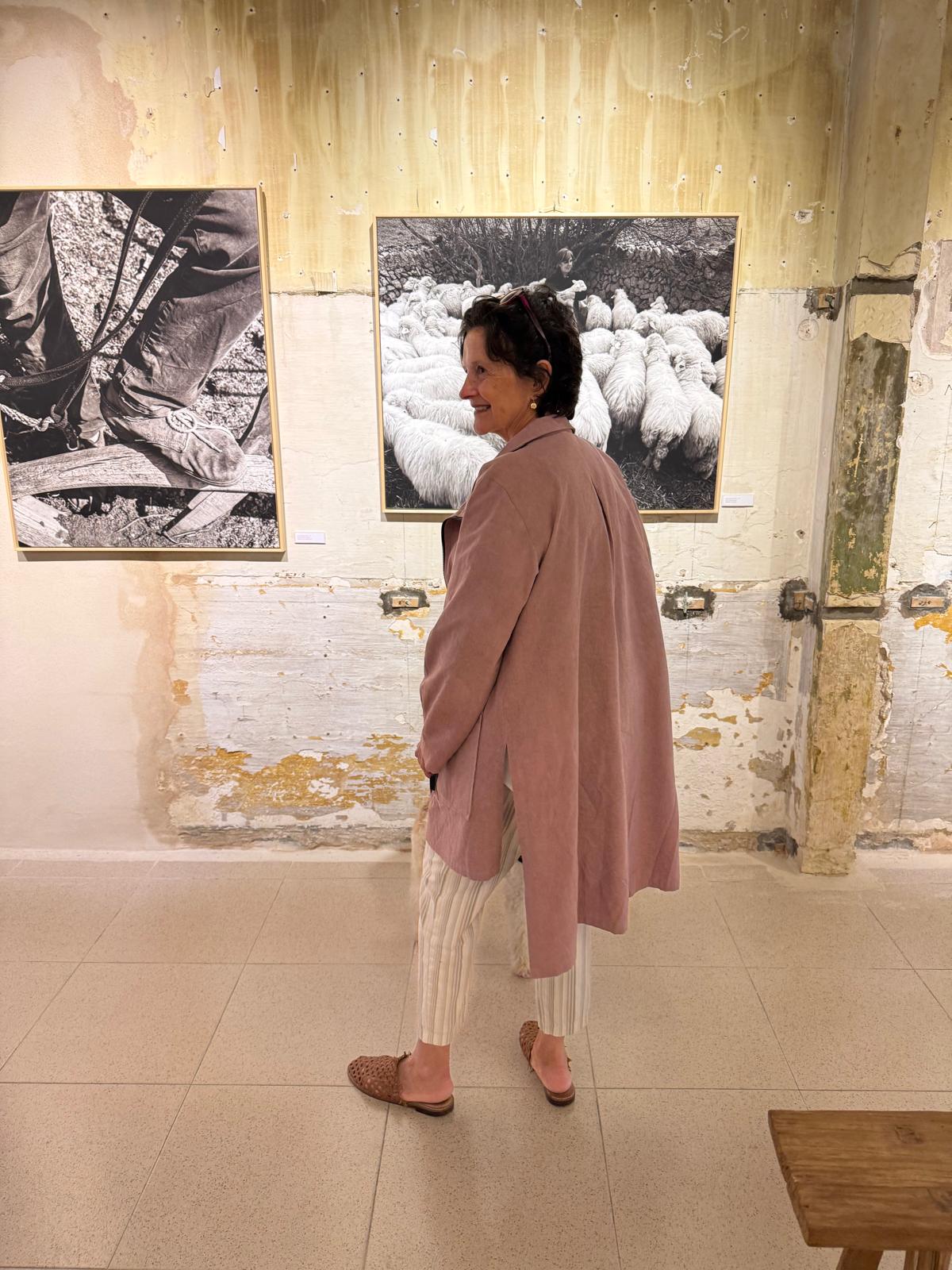
Walking through the exhibitions, surrounded by photography that asked something of its audience and by the kind of people drawn to that kind of work, was a reminder of why visual storytelling matters so much. The best documentary photography does what the best travel does: it opens a door onto a world you might never otherwise encounter and asks you to sit with it, to stay with the discomfort or the beauty or the complexity of what you are seeing. That belief in the power of narrative to reveal the soul of a place is one we share deeply, and it ran through everything at Raw Photo Fest.
Aligning ourselves with people and organisations who operate with purpose rather than for headlines is something we have always sought out. From our first conversations with Christelle and Jorge it was clear we were speaking with people who share a particular set of beliefs about culture, access and the power of images to change how we see the world.
The company you keep says as much about who you are as anything else, and Raw Photo Fest felt, from the very beginning, like our kind of conversation. This is a partnership we hope to be nurturing for a long time to come. Looking ahead, we would love to welcome a Raw Society photography journey to Peru, or elsewhere in our South American territories, in 2027.
Shipibo-Konibo art at the Venice Biennale: from the Amazon to the world stage
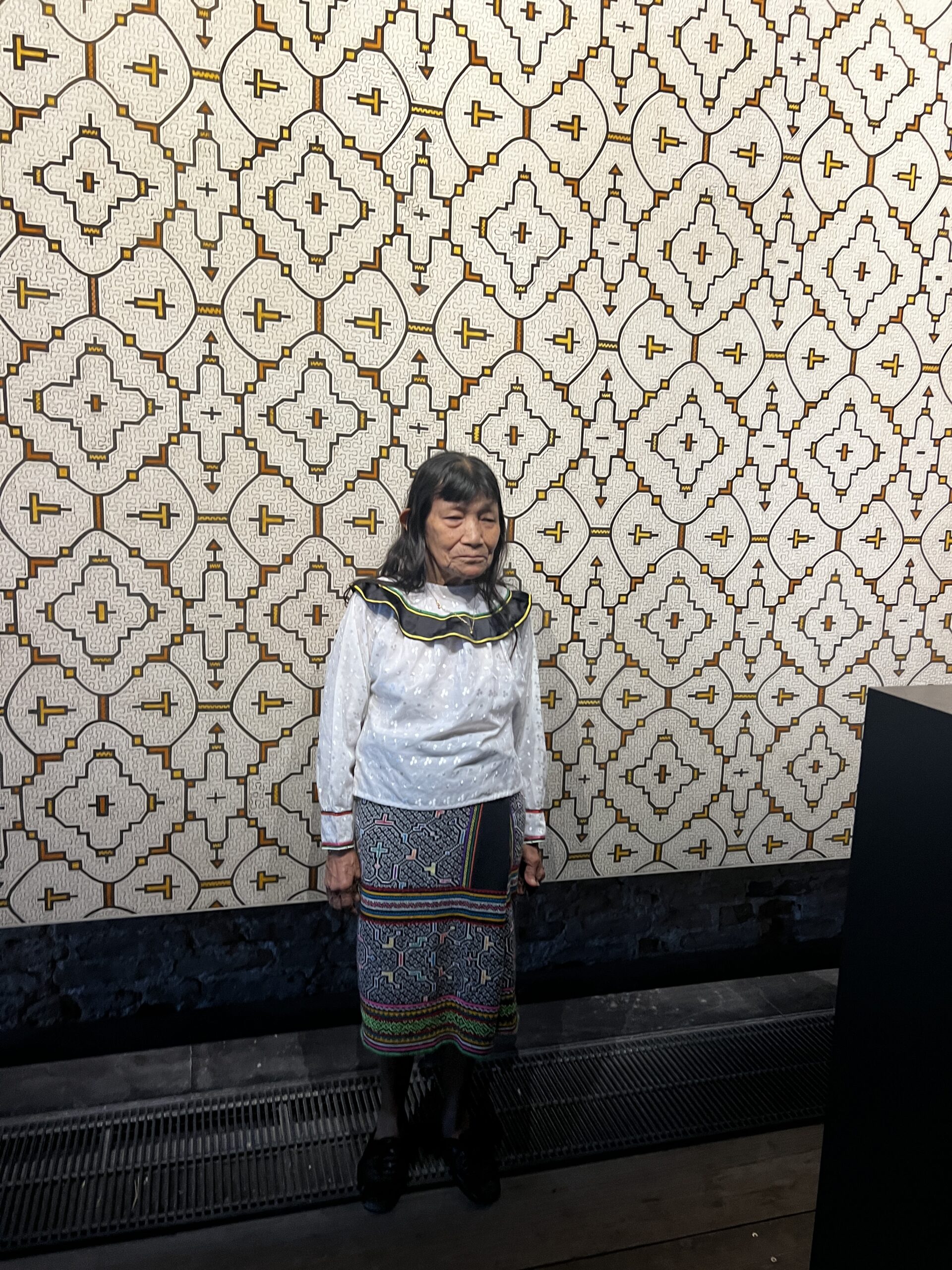
Also in May, our connections took us to Venice. This year’s Biennale includes the work of Shipibo artist Sara Flores, whose intricate visual language is rooted in one of the Peruvian Amazon’s most ancient knowledge systems. For those who understand where this work comes from, what it carries, and how long it has taken to reach this kind of recognition, seeing it in Venice is something close to extraordinary.
Promoting rooted indigenous artistry has been part of who we are since our earliest days, long before the art world caught up. We have always maintained close ties with the experts, communities and cultural custodians who understand this work from the inside, among them the team behind shipibokonibo.org and their project Bakish Mai, a non-profit foundation deep in the Peruvian Amazon devoted to preserving the creative ways of life of the Shipibo people.
The Shipibo artistic tradition is a living system of knowledge, passed through generations, encoded in patterns that carry meaning about plants, territory and the relationship between human and natural worlds. These are not decorative marks. They are a cosmology rendered visible, a way of understanding the world that predates any art market, any gallery, any institution. For a long time, that depth was not always acknowledged beyond the communities where it originated. The work was encountered, admired perhaps, and then filed under craft rather than art. That has been a long and painful misreading.
To see it corrected, on the world’s oldest and most-watched art stage, matters.
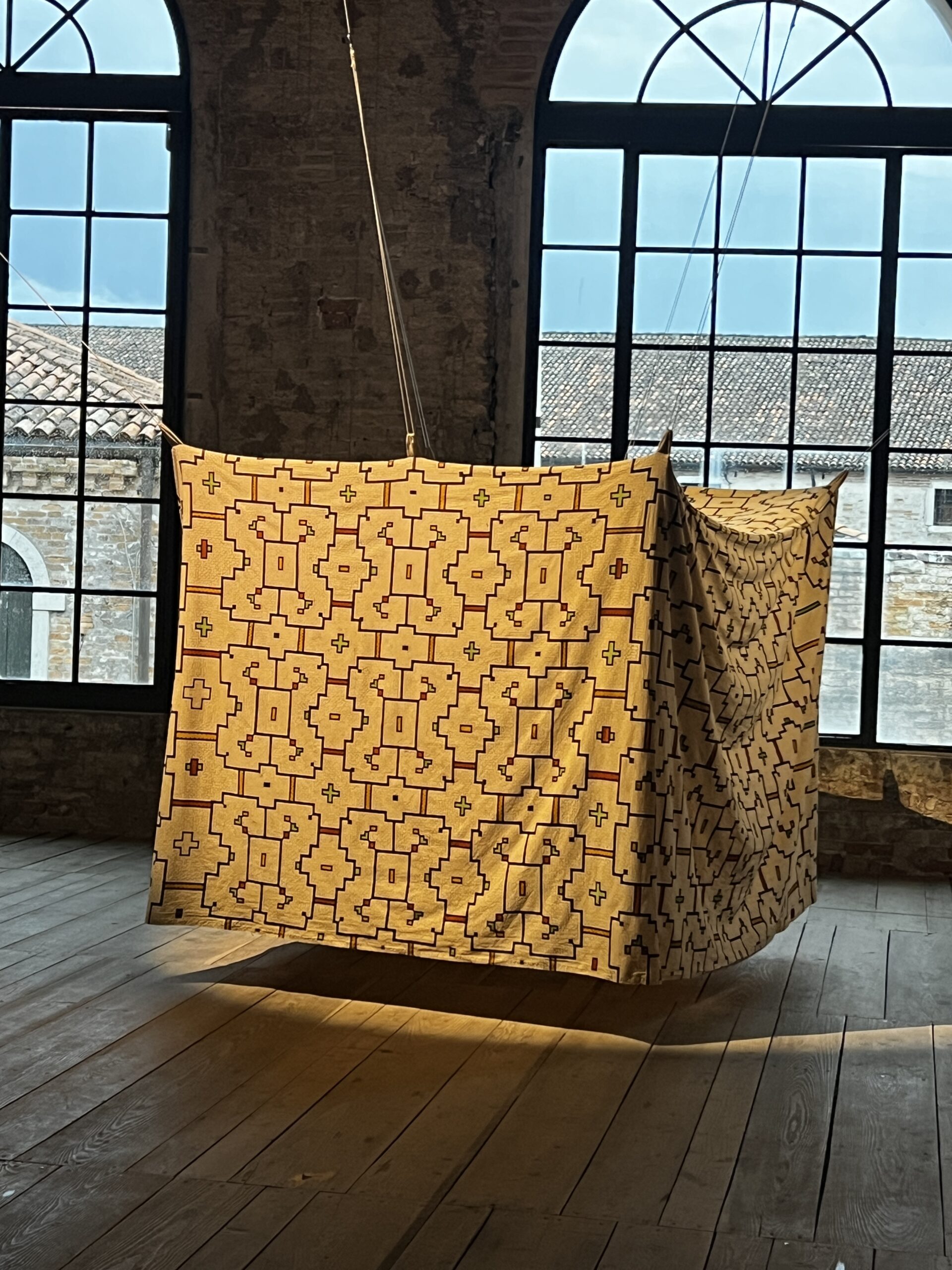
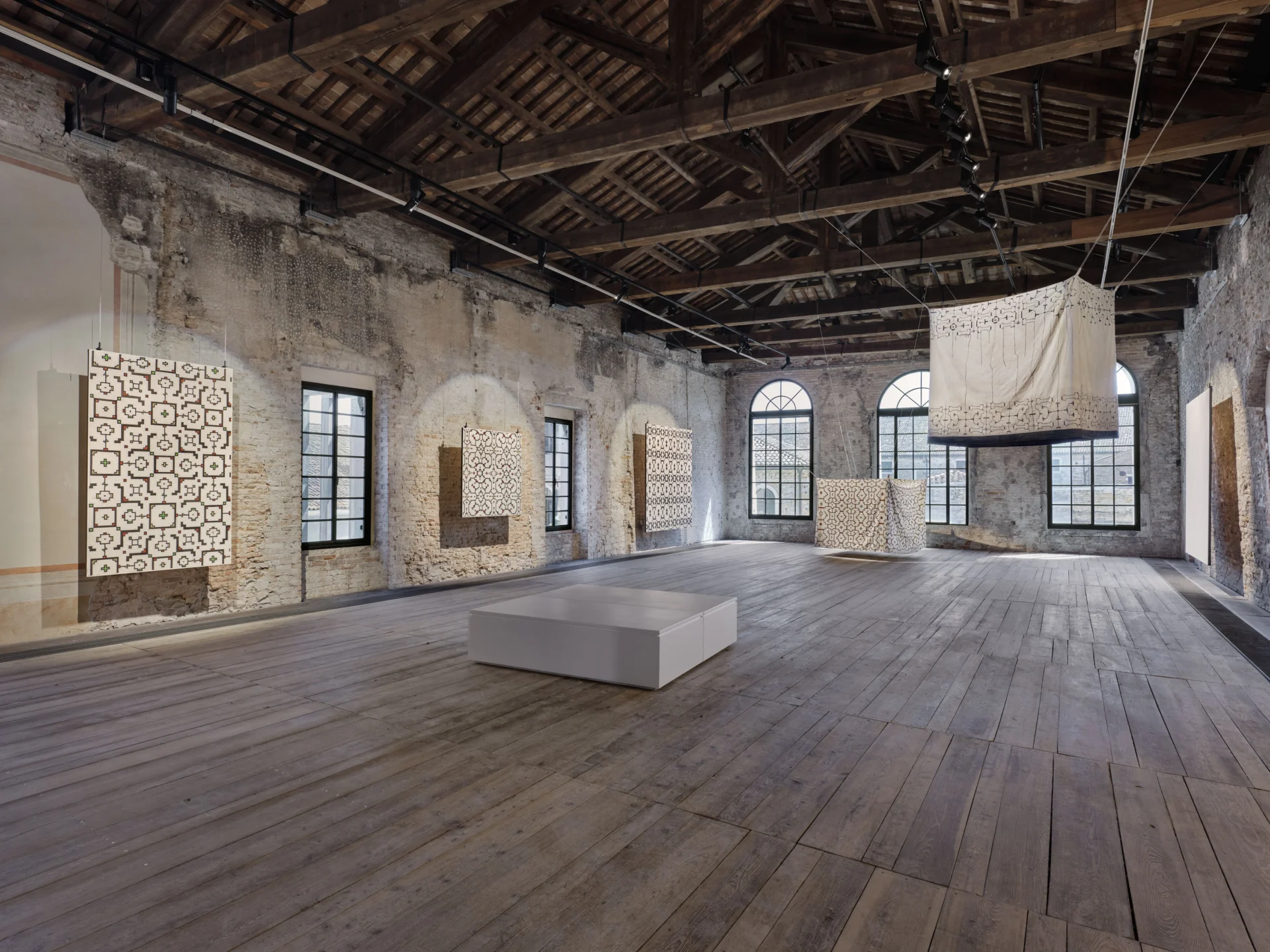
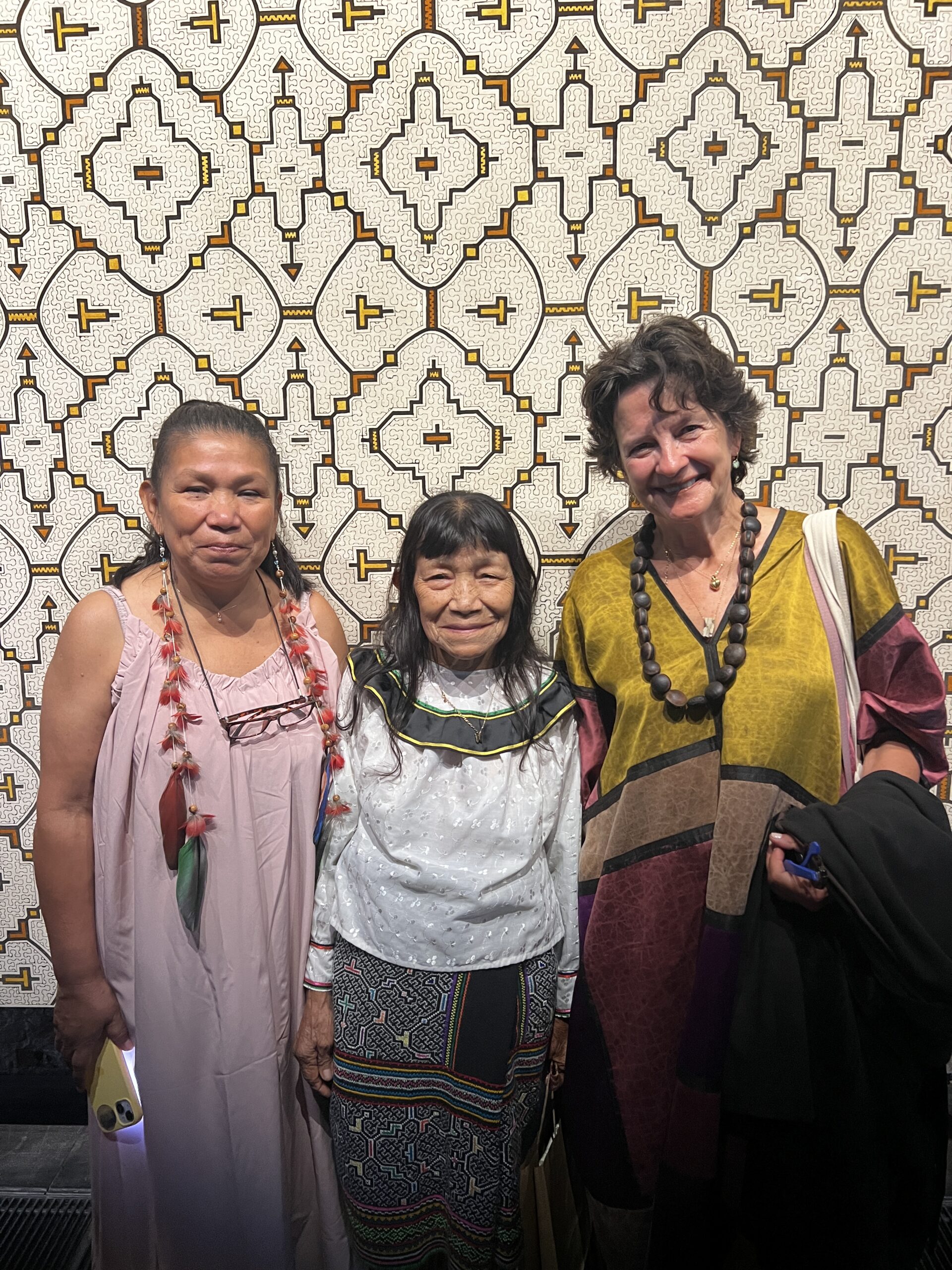
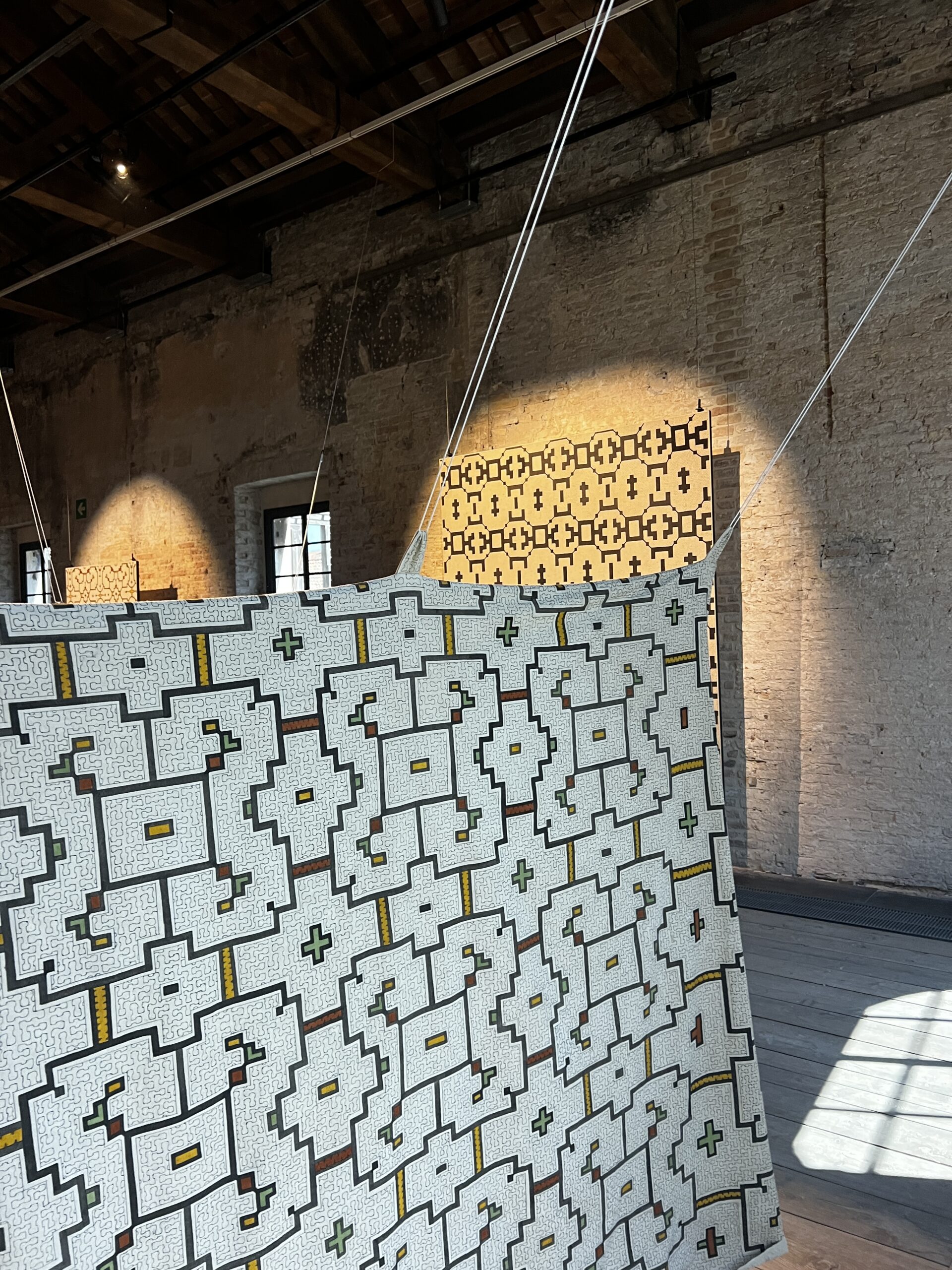
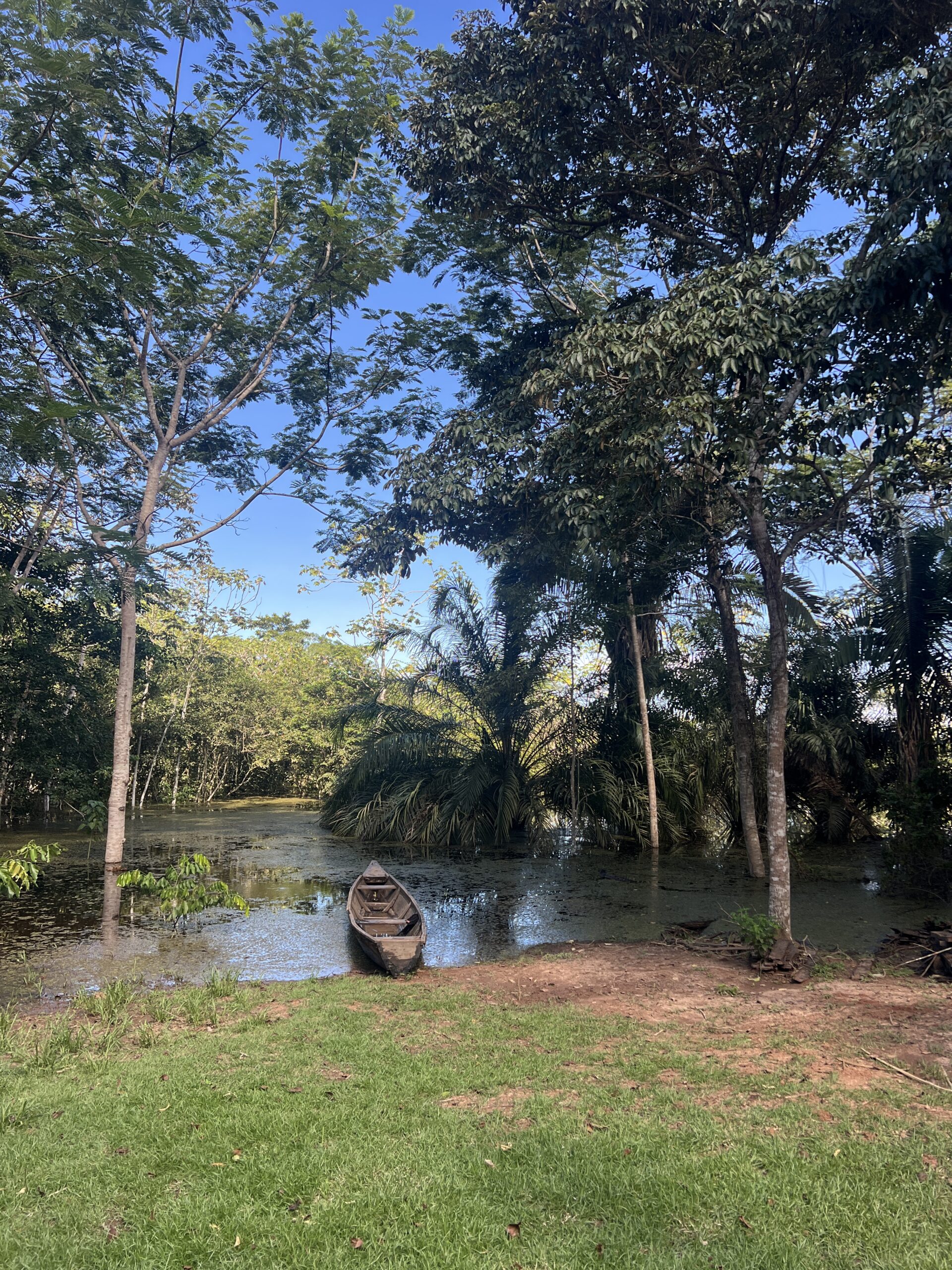
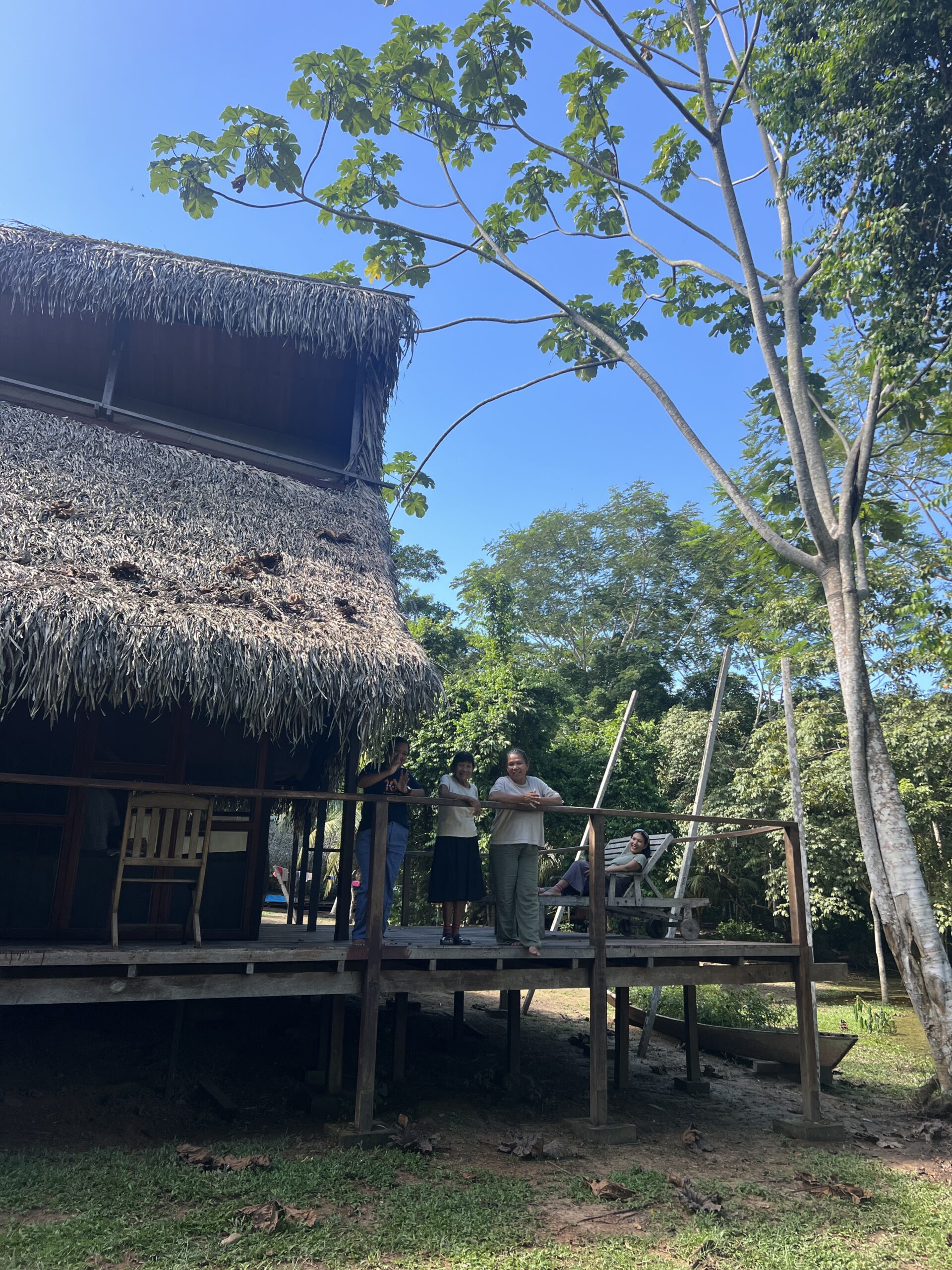
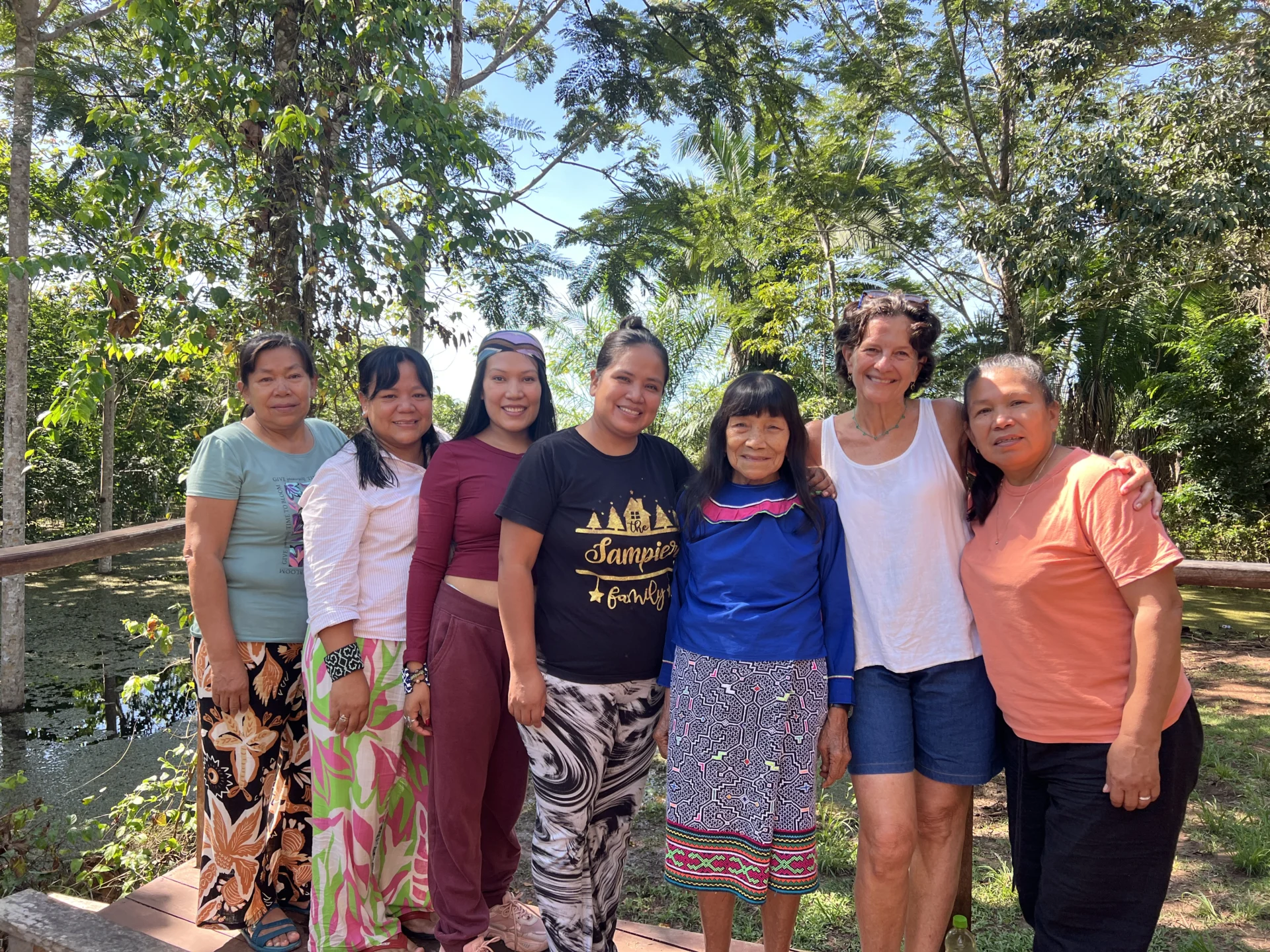
In 2025, Marisol had the privilege of visiting Bakish Mai in its own setting, located in the community of San Francisco in Ucayali, deep in the Peruvian Amazon. Working across three interconnected areas, art, plants and territory, Bakish Mai’s mission is to promote and preserve these creative ways of life. To witness the work there, surrounded by the community and the jungle it comes from, and then to see that same tradition given space at the Venice Biennale, is to feel the distance between those two moments very keenly, and to understand how far the road has been.
It is a road we have had the privilege of following from its source. That it has arrived somewhere like this feels, for those of us who have walked any part of it, extremely poignant.
For those who want to experience this tradition closer to its source, Aracari offers an extraordinary visit with Wilma Maynas in the district of Rímac, Lima, home to the largest urban community of Shipibo people in Peru. Wilma’s Kene patterns are more than intricate marks: they are a visual language in which every line carries meaning, the teeth of the piranha, the movement of fish, the reach of the anaconda and the towering trees of the Amazon. As she works, she sings the stories of her people, turning the act of creation into something ceremonial. It is one of those encounters that stays with you long after you leave. Speak to us about including it in your journey to Peru.
Looking ahead: thirty years in, and still moving
The next few weeks are, in many ways, a continuation of everything described above. Marisol will be retracing steps through Peru, reconnecting with communities, guides, artists and partners who have shaped Aracari’s journey over the past three decades and who will continue to shape what comes next.
It is also a moment of celebration. Several of the places and institutions that matter most to us are marking significant anniversaries of their own this year: El Albergue in Ollantaytambo, the Museo Larco in Lima, the Center for Traditional Textiles of Cusco.
To travel through Peru and celebrate alongside them, to be a witness to the longevity and dedication these places represent, feels like a privilege.
Thank you for being part of our world. We are glad to have you in it.