
The Chachapoyas culture and the fortress of Kuelap
The Peruvian ruin that uses 3 times as much stone as the Great Pyramid of Egypt- around 40 million cubic feet of stone – is called Kuelap. Situated near the town of Chachapoyas, this immense fortress sits atop a high vantage point and is a remarkable testimony to the Chachapoyas culture – also known as “the Cloud People”.
Peru’s Best Kept Secret: Kuelap
Often called ‘The Machu Picchu of the North’, Kuelap is one of the the top sites in Chachapoyas not to miss. Visit this Indian Jones region of cloud forest and waterfalls as part of a tailormade trip to Peru. Direct flights from Lima to Jaen provide easy access to the region. Kuelap and the waterfall of Gocta can be visited with a minimum of 4 days in total.
Read the full itinerary – Peru’s Best Kept Secret: Chachapoyas
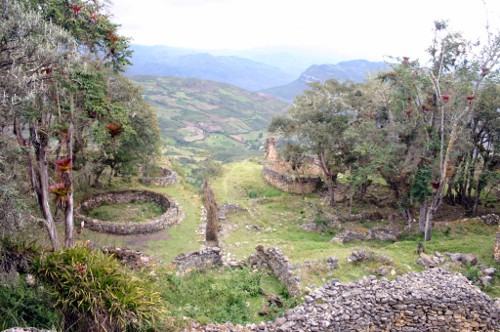
Kuelap Roundhouses
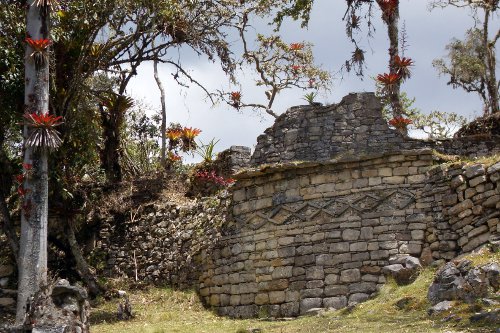
Having been built around the year 500 AD, the pre-Inca ruin contains the partially restored remnants of a Chachapoyan village. This consists of hundreds of roundhouses, narrow entrances, ceremonial buildings, high walls and rock reliefs. the largest ancient stone structure in South America. The ruins are still relatively undiscovered by travellers to Peru, and those who venture here will more often than not have the whole place to their selves, giving the feeling of exploring an exotic lost city.
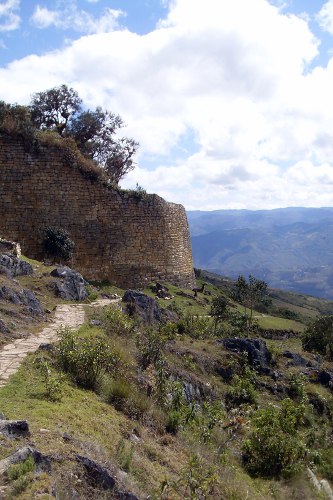
Walls of Kuelap
The towering walls are capped by the cloud forest, some 3,000 meters (9,900 feet) above sea level. They command a spectacular view of the surrounding landscape, which are marked by rolling Andean foothills, fertile pastures and rolling valleys. This truly is a spectacular highlight of Peru.
Interesting in visiting Kuelap and Chachapoyas? Contact us today to speak to an expert travel planner.