

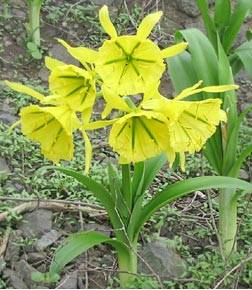
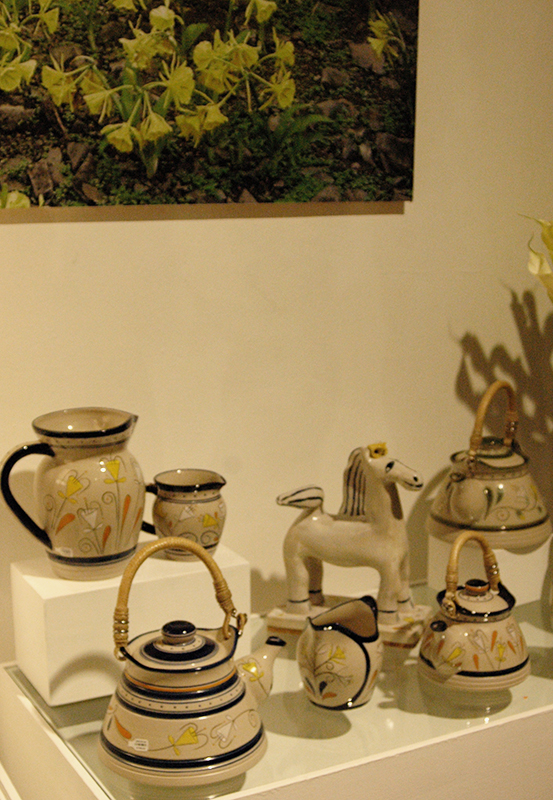
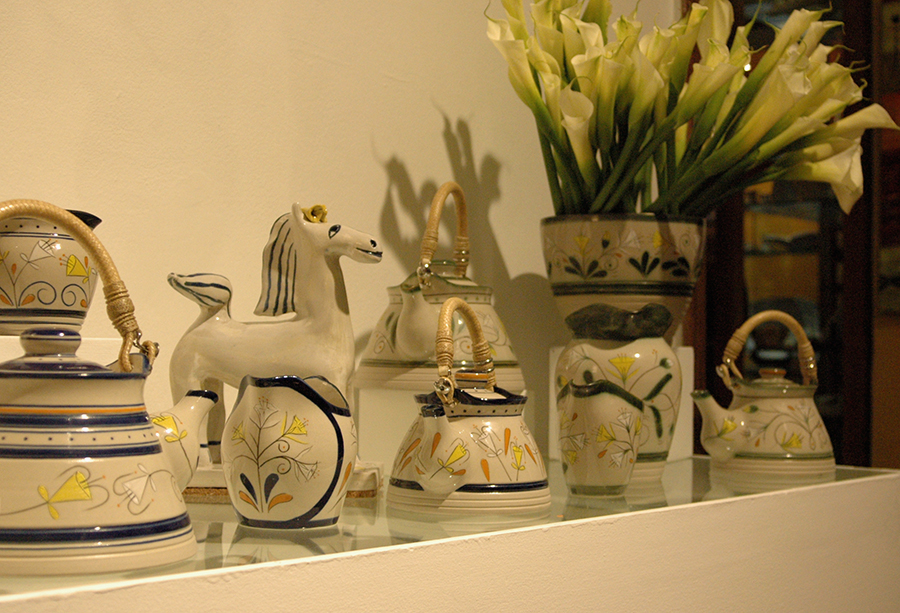
Artist Grimanesa Neuhaus inaugurated her ceramics collection, “Tiempo de Amanacaes” at the art gallery and handicraft shop, Dédalo Arte and Artesania in the neighborhood of Barranco on Thursday evening. We stopped by the event and found people milling about the gallery, discussing the works and the flower of Lima that few Limeñans have the chance to see: the amancae.
Sculptor Grimanesa Neuhaus
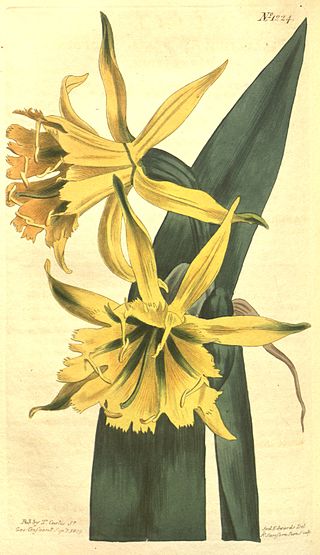
The artist, Grimanesa, who often incorporates flowers into her works, wore a pink scarf and floral print skirt as she greeted the guests perusing her ceramics that ranged from candle holders, to teapots, to large fruit bowls and playful, Peruvian paso horse statues. A jazz trio enlivened the ambiance and a local news station made an appearance to interview the artist and guests. The theme of this collection, the ‘time of the amancae’, is in honor of this yellow flower that is now nearly extinct in Lima and blooms only between the months of June and August when the mist rolls in off of the Pacific and provides the necessary nutrients. Each flower lives for only two to four days.
The blooming of the lily on the hills of Lima in the Rímac district was once celebrated in combination with the festival for Saint John the Baptist on June 24th, but today the plant is difficult to find, relegated to a section of low hills in Pachacamac, southern Lima. Urbanism and other factors have caused the amancae to stop flourishing during its blooming months, which is why Grimanesa and other members of a garden association had to search long and hard to finally discover the flower.
The amancae appears in Inca artifacts, and Grimanesa was interested in finding this transient flower that has featured in literature and other works. Pablo Neruda alludes to the lily in his poem “Ode to the Gardener”, and the Peruvian singer Chabuca Granda mentions the flower in her creole song “José Antonio”, about a paso horse rider heading to the hills of Amancae, where it once grew. The amancae has also been memorialized in the watercolors of Peruvian artist Pancho Fierro, which he painted of the festival of the Amancae, one of the first gastronomic festivals in Peru’s history.
Grimanesa Neuhaus, who studied with famous Peruvian sculptor, Cristina Galvéz, captured the delicacy of the flower in these handmade pieces. Grimanesa played with the angles of the flower and mixed in other colors like white, orange, blue and ornamentation that ties the amancae to the tradition of the Peruvian paso horse, which was also a feature of the festival of the Amancae.
The collection will be on display (and sale) at Dédalo from now through the 6th of July 2014. Anyone visiting Lima during this period who is interested in seeing these beautiful ceramics should contact us for more details.