

Puente Qeswachaka
I’ve visted Cuzco and the Sacred Valley so many times – for work and pleasure, and I love that even now after all these years, there are new things to discover in the region.
Before a recent work trip, a colleague mentioned that my trip would coincide with the annual rebuilding of the Qeswachaka Bridge in June. I was intrigued and had to go see it.
An ancient tradition lives on
So much has changed in the Sacred Valley over the centuries, and there is very little that has remained from the time of the Inca. It’s nice to see local communities committed to preserving their history and traditions.
Qeswa (with many spelling variations) from the Quechua language is a rope made of twisted, dried maguey or qoya grasses, and chaka means bridge, so it essentially translates to rope bridge.
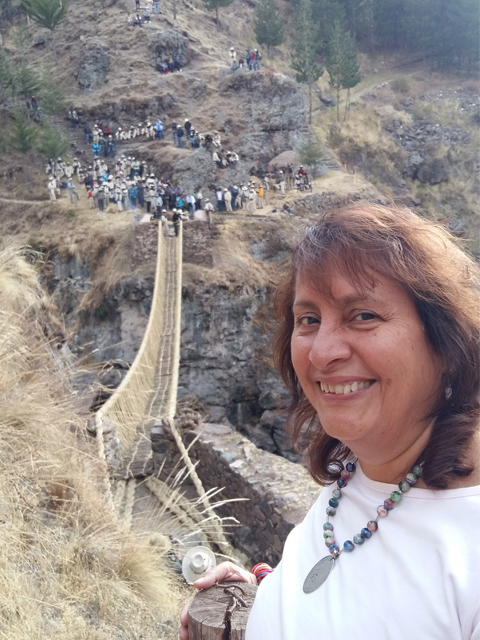
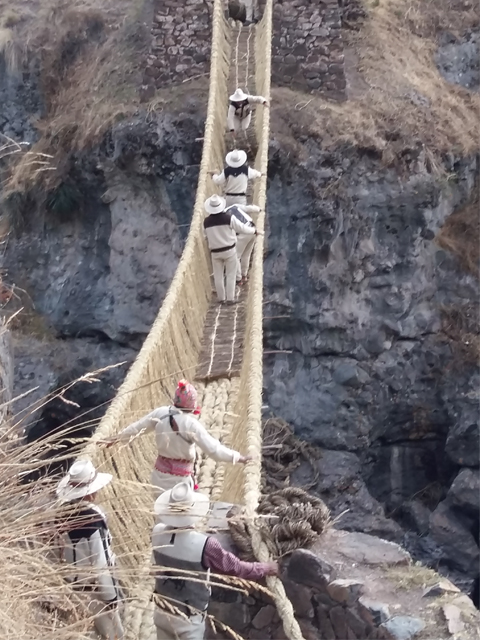
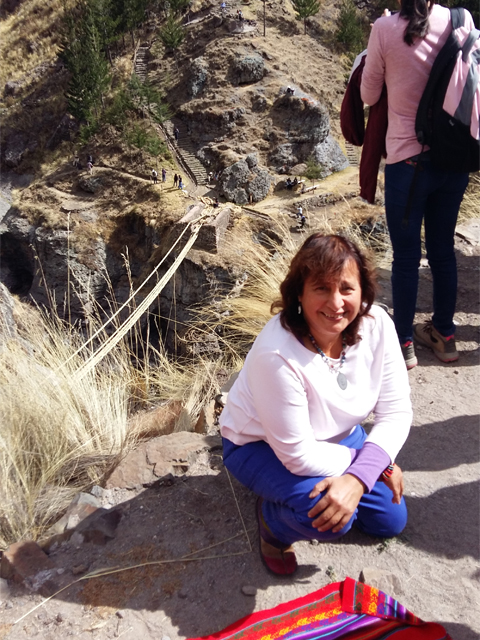
The handwoven rope bridge is located across the Apurimac River near Huinchiri, about 3 hours from Cuzco, and is the last remaining Inca rope bridge. There is a modern vehicular bridge that crosses the river, so its annual reconstruction is more about maintaining ancient customs than for functional need.
The site is not easy to access – you have to hike there, and to see the progress over the few days that it takes to build the bridge means camping nearby as there are no hotels in the area.
It takes a village to raise a bridge
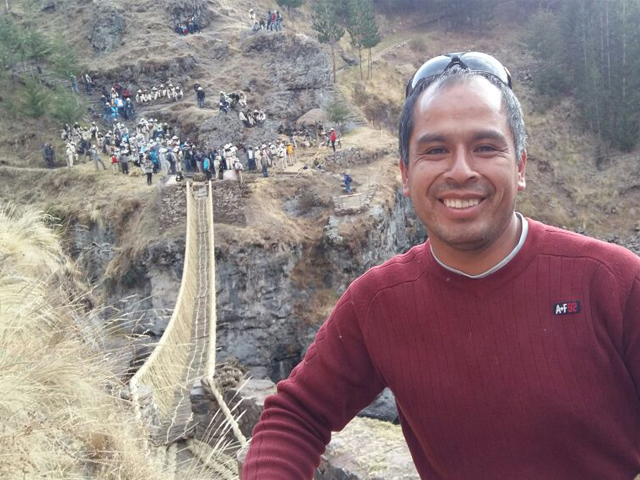
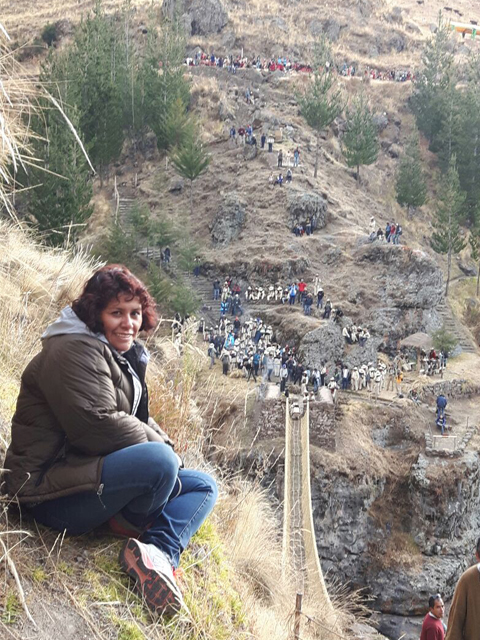
I arrived on the last of the four days that it takes to construct the bridge. The whole process is dictated by rituals and sacred customs. There are specific roles for the 180+ people involved from several family groups to rebuild the bridge each June.
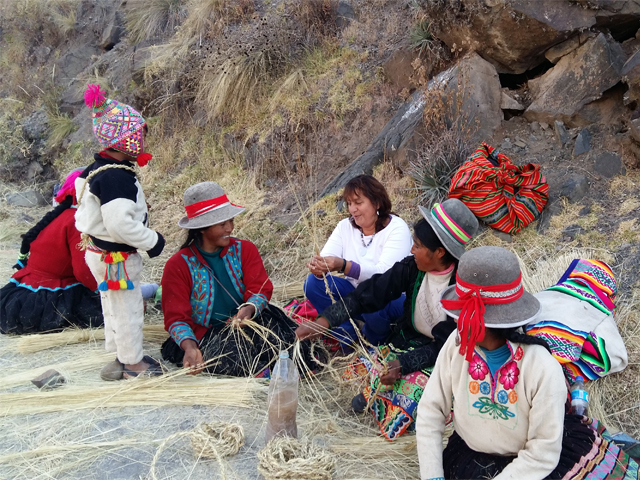
For instance, the women’s job is to weave and twist the dried grass into rope. They do this by rubbing it between their hands – a technique passed down through the generations. I sat with them for a while and they showed me how to do it – very skilled work to get it just right, so it’s strong enough to use on the bridge!
While the women are creating the rope, the men are down in the gorge building the bridge. The work is clearly segregated, and no women are allowed down there (not even visitors!) until the bridge is complete. The men use the rope to first construct the floor of the suspension bridge by weaving the rope made by the women into six long cables, which are bound and secured by eucalyptus trunks, buried at each end of the bridge. Then they work on the railings to ensure that the finished bridge is secure and safe for pedestrians to cross.
Then comes the celebrations
Once the bridge is complete, it’s time to celebrate. An annual feast is held on the last day to commemorate the completion. Finally the women are allowed down to the bridge, and cross over with traditional ceremonial dances.
The finished product spans 120 feet across the river and visitors can cross if they’re brave enough! It’s great to see this tradition living on. It’s been recognized as an important part of Andean heritage, and now even has sponsorship from BIF Bank to help with the cost of materials.
Aracari Travel can arrange visits to see the Puente Qeswachaka being constructed in June, or the completed bridge at another time of the year. We can also facilitate visits to other local communities to experience Andean traditions such as weaving, a Pachamanca meal and a ceremony with a Shaman.
If you’re interested in incorporating any of these into a tailor-made trip to Peru, contact us or email travel@aracari.com.