
Spotlight on Northern Peru
One of the most overlooked, but arguably beautiful regions of South America is the unspoilt wilderness of Northern Peru. An ornithologist’s delight, this diverse landscape dissected by the mighty Maraňon River, is home to thousands of bird species including the elusive White-Winged Guan which was thought to be extinct for over 100 years. Yet, our feathered friends give only a hint of the extraordinary wealth of wildlife found in this part of the world.
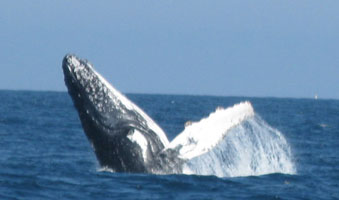
The sound of the Pacific surf crashing on the beach of Cabo Blanco in Northwestern Peru gives a clue to the hidden treasures found within. Famous in the ‘50s for its big-game fishing (Ernest Hemingway caught a 700 pound marlin here while filming The Old Man and the Sea), today visitors come to observe and swim with the sea life that teems in this unique spot where the frigid Humboldt Current collides with the lukewarm El Niňo current. Here you can spot South American Fur Seals, Marine Turtles, Humpback Whales (from June to November) and if you’re brave enough, take the plunge with the Bottle-Nosed Dolphins.
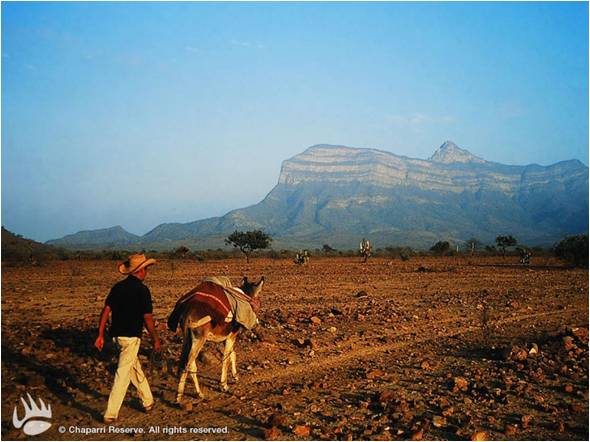
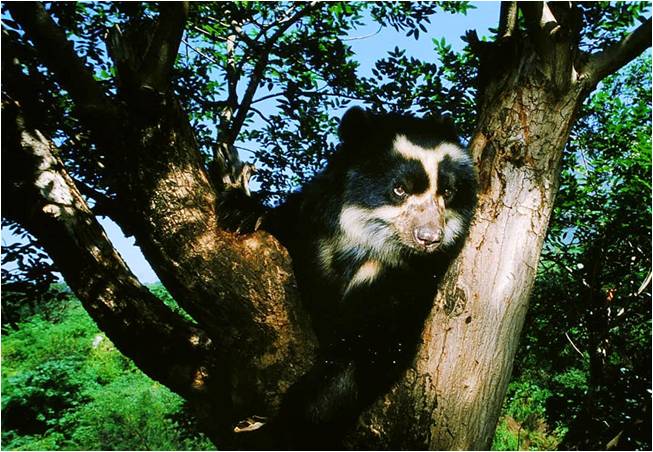
At the other end of the spectrum, the arid forests of Chaparri, a 34,412 hectare private reserve, an hour and a half’s drive from Chiclayo, is home to the elusive Spectacled Bear and the other 186 species recorded in the area so far. Not a high total by South American standards, but a remarkable result here in the dry Tumbesian forests. Sit quietly and you can see birds such as the White-Tailed Jay, Andean Condor and King Vulture, or spot the white-tailed deer and Sechuran Foxes. As for the mighty Puma and Spectacled Bears, time and patience is sometimes rewarded with a little luck.
Chaparri is the base of a remarkable rescue and rehabilitation programme for Spectacled Bears. Seven bears are currently in residence and all have a story to tell. Six year old Milagros was found abandoned as a cub at the scene of a plane crash near the city of Chachapoyas, while Cholita was being kept as a pet. Some of the bears like Milagros are candidates for reintroduction to the wild, but others will be cared for long-term. Funding is always an issue, but you can adopt one of these beautiful bears by visiting (http://www.chaparri.org/en/adopt-a-bear.php).
With many wildlife secrets yet to be uncovered, this vast region is perfect for those seeking an adventure. It’s a short flight from Lima to Chiclayo from where you drive to Chaparri. To reach Cabo Blanco you drive North through the imposing Sechura desert and onwards over sub-tropical rolling hills, with a lunch stop in Piura, the city of eternal warmth (and not just literally), before reaching the country’s most brilliant coastline. To find out more about travel options to Northern Peru, please contact us.
