
Aracari’s Weekly Insight
by Simon
The Question:
“What is the title of the most recently published book about the Incas?”
The Answer:
The most recently published book about the Incas is called The Incas: Lords of the Four Quarters, referring to the fact that the Incas split their Empire into four parts.
In the book, close friend of Aracari Adriana Von Hagen and co-writer Craig Morris explore the Inca Empire in depth, from its ascendency to its fall.
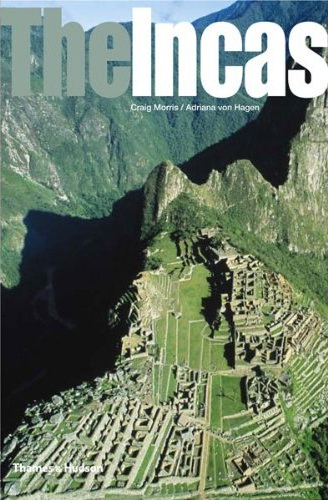
Published in 2011, it is “an accessible introduction to the Inca Empire” Adriana told me when I had the chance to talk with her earlier this week.
“The last major work on the Incas was published earlier in the decade, and so we felt the time was right for a fresh volume that incorporates all of the new material and that is based on recent discoveries.”
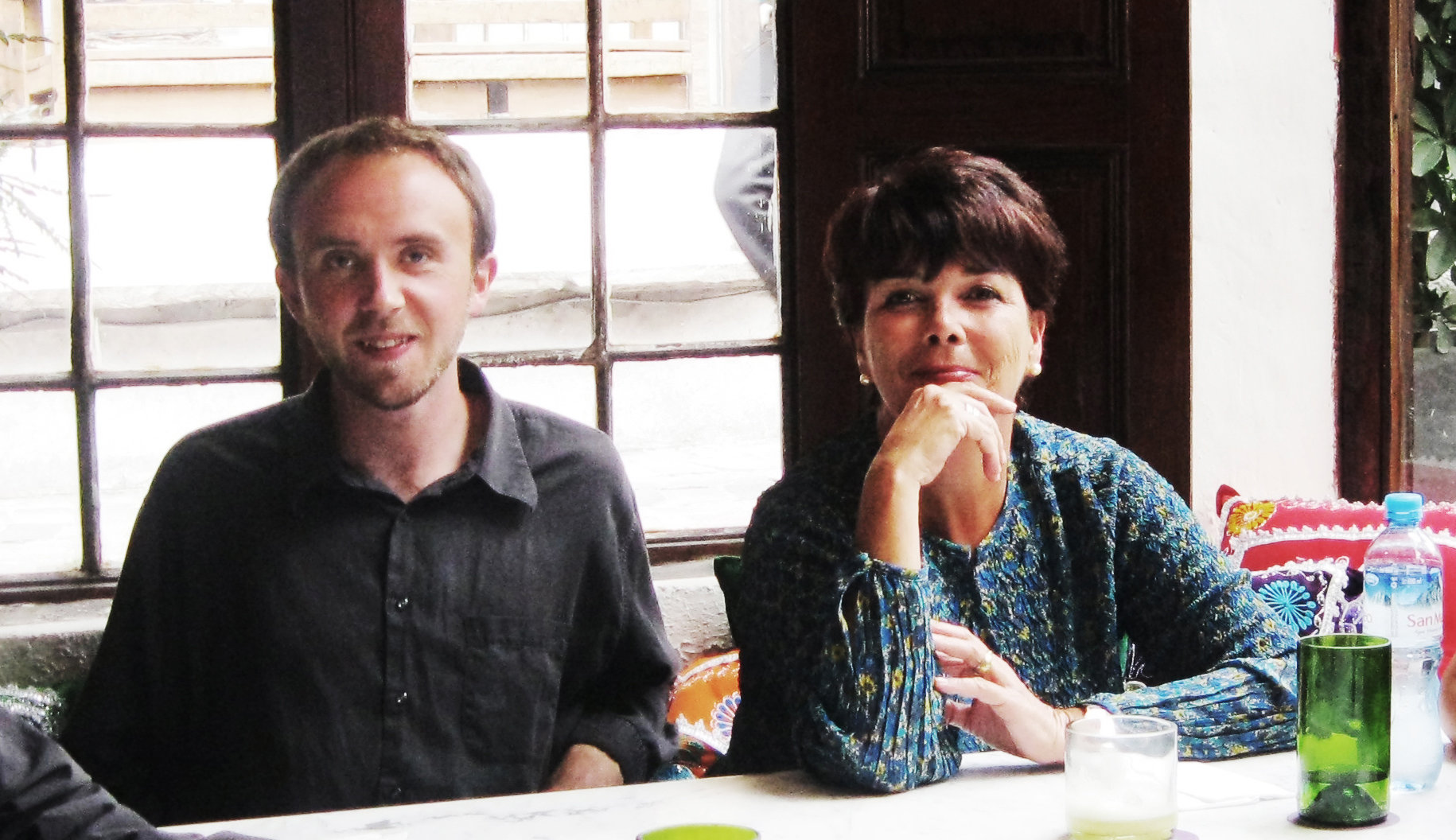
Adriana von Hagen talks with Simon of Aracari
Departing from the all-too-prevalent Eurocentric approach to studying the Incas, Lords of the Four Quarters aims to examine the Empire “as it stood”.
The writers attempt to unravel the many facets of the empire from a native perspective, largely steering away from Western paradigms, such as the notion that empires were marked with distinct boundaries or had clear cut beginnings and ends, for instance.
Instead, they embrace the complex reality of the Inca Empire, placing it firmly within the context of Peru’s long and colourful history of civilisation, and within the intense geography of the Andes within which it flourished. Nevertheless, they still make important comparisons with other empires and civilisations, particularly examining how Empires rise and fall – perhaps all too relevant in the 21st century.
While the book could not possibly examine all of the peoples and places that the vast Inca Empire influenced in South America, the first section gives compelling and insight into such aspects as economy, religion, art, technology and textiles, and the roles that these played within the Empire.
A unique feature of Lords of the Four Quarters is that, in the second part, it focuses an entire chapter to the capital of Cusco and how the Incas reflected their Empire in the entire philosophy behind the design and function their grandest city. It then goes on to examine the four quarters themselves, Chinchaysuyu, Antisuyu, Qollasuyu and Kuntisuyu, using the expansive Inca road system as a guide to the Empire.
Due attention is also given to the fall of the empire, which was largely brought on by the arrival of the Spanish conquistadores in the mid 16th century.
Not surprisingly, Lords of the Four Quarters has been the result of several years of work. After Craig Morris sadly passed away in 2006, Adriana took over to complete the volume. “It was difficult after Craig’s death because there were still key passages and sections to complete, as well as being drudge to source photographs and materials alone.”
On how the work has been received, Adriana told me that “while we have had largely positive comments from our peers, who have told me it is ‘a beautiful book’, none of this has been constructive criticism per se.” There has so far been one review from a major newspaper; the Scotsman in the UK reported that it is “a lively introduction that’s full of fascinating detail.”
Despite the absence of floods of critical reception – which Adriana rightly pointed out is so hard to obtain with “so many books out these days” – the writers have succeeded in crafting an illuminating work that will be an essential read both for those searching for an overview of the subject and those examining the Inca Empire in depth.
And Adriana’s only misgiving? “There was not enough room to fit everything in…”
If you would like to read the book, you can purchase a copy of The Incas: Lords of the Four Quarters from all good bookstores, or online from amazon.co.uk or amazon.com.
