
Vilcabamba, the Last Refuge of the Incas
The Inca’s last stronghold was at Vilcabamba. This refuge was founded by Manco Inca and it is here that the last remnants of the Inca Empire evaded and resisted the Spanish conquest until final defeat in 1572, some 40 years after the conquistadores first embarked on their campaign under Francisco Pizarro.
There has been a lot of speculation in modern times as to where exactly Vilcabamba was located. When Hiram Bingham first came across Machu Picchu in 1911 he thought he had found the city – he had in fact uncovered what is now considered the true Vilcabamba beforehand, but he had failed to recognise the significance of the site.
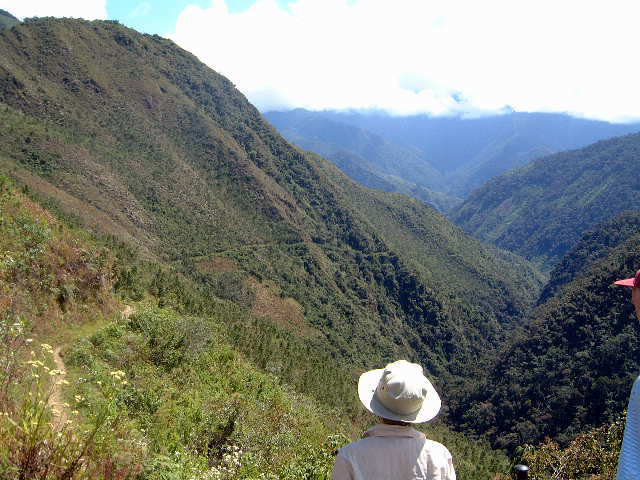
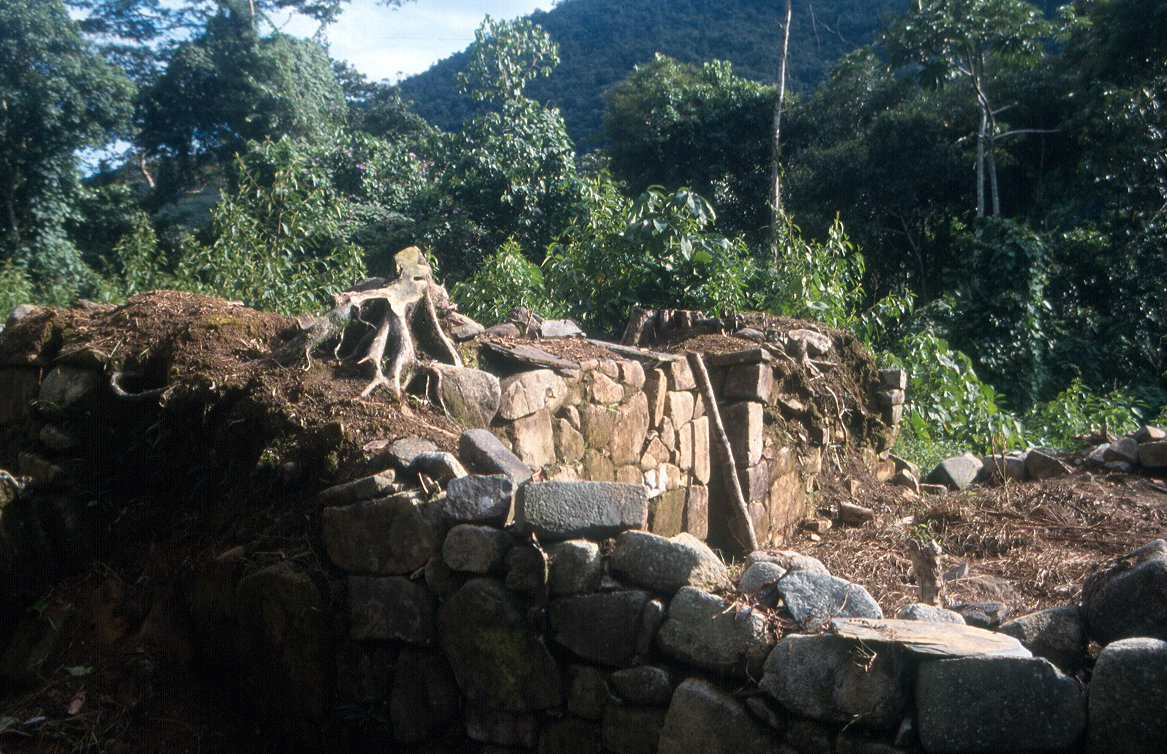
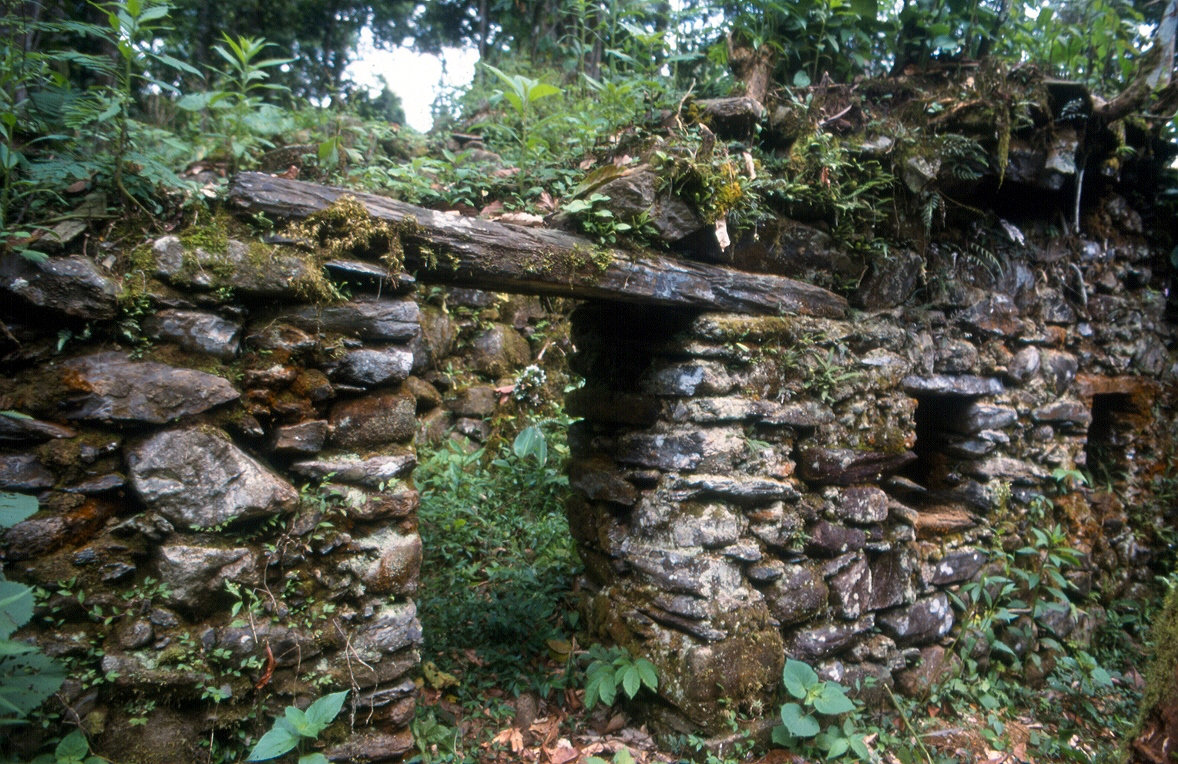
Vilcabamba’s location is now believed to be in the Peruvian high rainforest near a village called Espiritu Pampu, which can be reached after a lengthy road journey from Cusco via the town of Quillabamba and a multi day trek. Aracari’s trek to the lost city of Vilcabamba is an exciting adventure to the site, which is home to a collection of mysterious ruins, most of which have not yet been uncovered from the shroud of vines and jungle growth (pictured above).
Dr. John Hemming is an expert on Vilcabamba, and the final chapters of his book “The Conquest of the Incas” are devoted to the story of the Spanish campaign to rout out the last Inca Tupac Amaru from the stronghold. It is indeed in this very book that Dr. Hemming provides substantial research and evidence to prove that the site is in the location that is thought to be now.
John Hemming would be very happy to discuss the fascinating story of Vilcabamba as your tour leader on the Trip of the Century in April 2011, a special trip that the Peru travel specialist Aracari has designed to celebrate the centenary of Machu Picchu’s scientific discovery on its 15th Anniversary year. Click below for more details of how and why you should join this marvellous tour.