

Lima Destination Guide
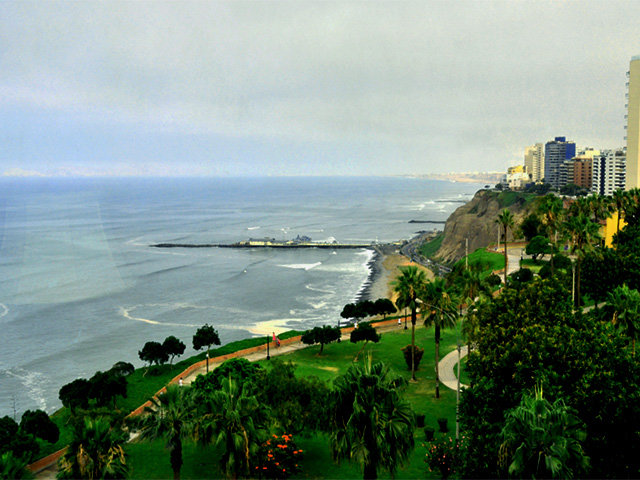
Lima was founded on the shores of the Pacific Ocean and is a city of great cultural and ethnic diversity. Presently, Lima has around 10,000,000 inhabitants and is the commercial, industrial and cultural center of the country, as well as the seat of government.
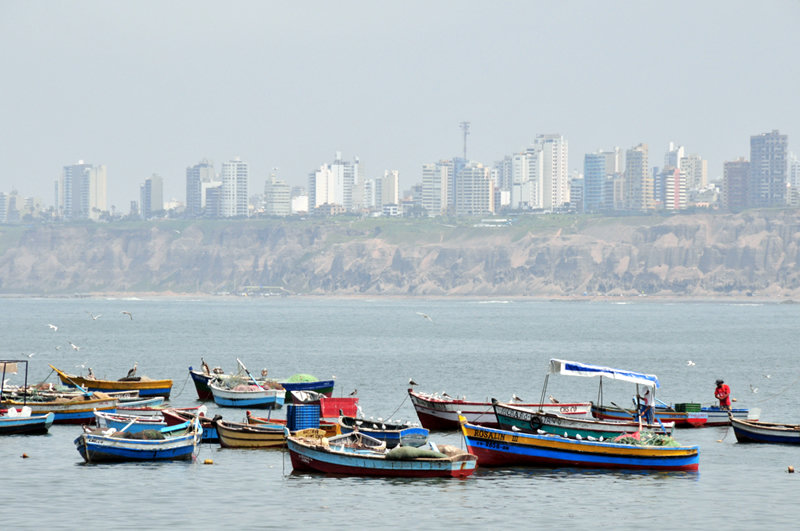
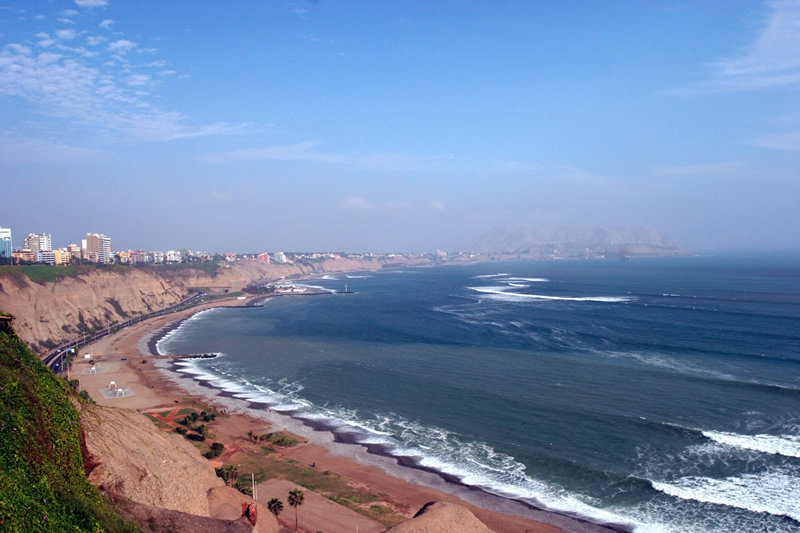
Rich in history, art and gastronomy, Lima’s unique cosmopolitan nature is the result of a melting pot of different cultures and ethnic groups that arrived and settled in the coastal city from the Pre-Hispanic civilizations to the waves of immigration from Asia and Europe throughout the 19th-20th centuries. Given this history and its location on the coast, Lima offers a seemingly endless array of experiences for travelers with all different interests from surfing on the shores to exploring the catacombs in the historic city center.
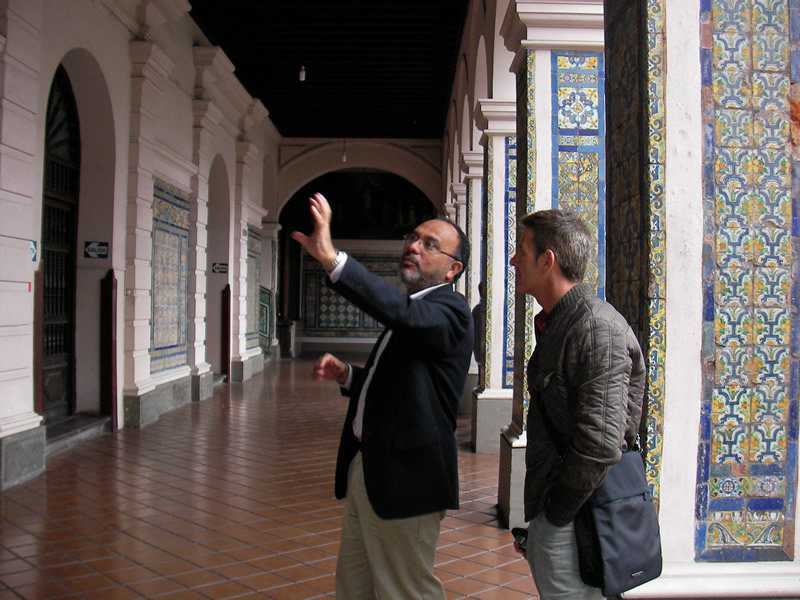
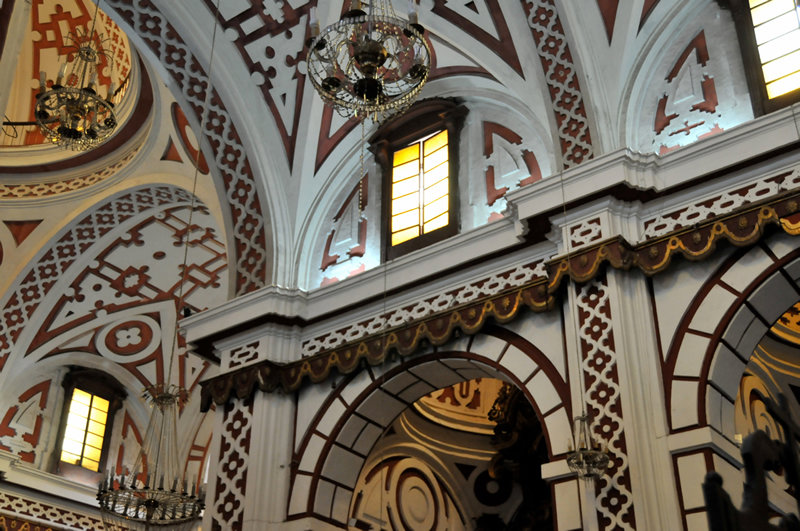
Originally named the City of the Kings, it was the capital of the Spanish colonial empire in South America during the XVI and XVII centuries and was the administrative center for a vast expanse of territory on the continent in colonial times. The city’s past supremacy is revealed in its well-preserved civil and religious buildings, such as the Monastery of San Francisco, the Palace of Torre Tagle and the Cathedral, and the bull ring. The architecture reflects the fusion of native and Spanish styles with mestizo baroque buildings that lend the historical center of Lima a distinct character.
However, the origins of Lima predate the Spanish foundation of the city by many centuries. An effort to study and conserve pre-Hispanic sites in the last decades has revived this forgotten period of Lima’s past, and the city has been rediscovering its native roots. Travelers can get a sense of this long past visiting the ancient centers of pilgrimage like Pachacamac, or religious and administrative centers, called huacas, like Huallamarca and Pucllana.
Things to do in Lima
Downtown Lima
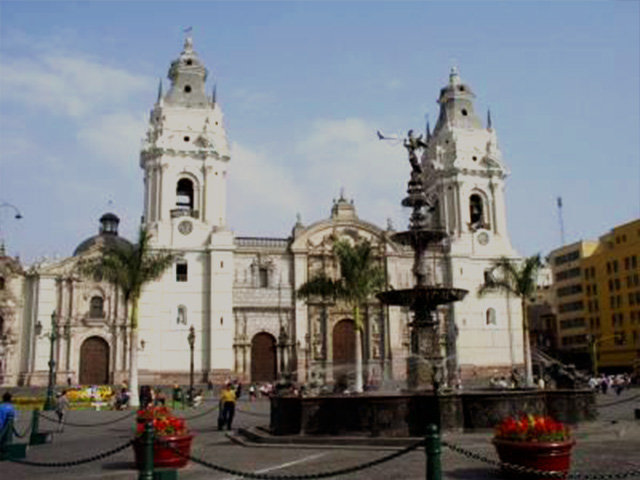
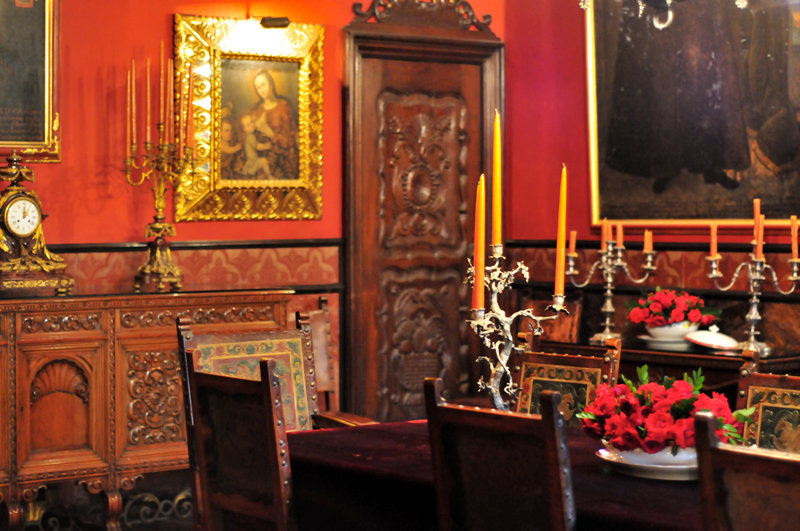
Downtown Lima was built following the Spanish colonial style. The streets are in a checkerboard pattern surrounding the Plaza Mayor, which is flanked by the Palacio de Gobierno, the Cathedral, and other important buildings. Downtown Lima can be visited on a half-day or full-day tour. We highly recommend visiting appointment-only Casa Aliaga, the oldest colonial mansion in Lima. The house has been lived in by the same family, the Aliagas, since it was built in 1535, when Francisco Pizarro granted the land to Jerónimo de Aliaga in 1535.
Museums & Galleries
Lima’s museums showcase some of the country’s finest treasures, while providing insight into the country’s ancient civilizations and historic sites, which can then be explored in greater depth elsewhere in the country. Housed in an elegant, whitewashed mansion, the Larco Museum hosts the world’s largest private collection of Pre-Columbian art, including ceramics, gold and silver jewelry and an extensive selection of ceramics from the Moche culture, featuring memorable erotic pottery. In addition to the museum, the property includes a gorgeous garden and a top-notch restaurant.
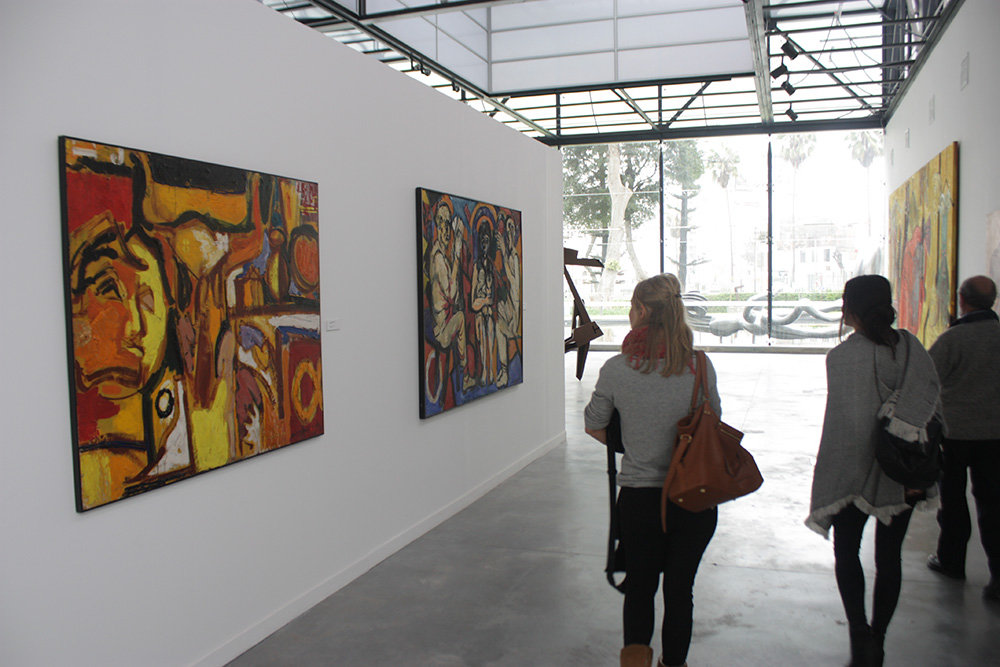
For those interested in photography, internationally acclaimed contemporary Peruvian photographer Mario Testino showcases some of his work at MATE, the Mario Testino Museum in Barranco. Small but select, the Museum’s permanent collection features his celebrity shots, including the likes of Kate Moss and Princess Diana, as well as his Peruvian Alta Moda (High Fashion). Also in Barranco, MAC, the Museum of Contemporary Art, makes for an interesting visit with three rooms displaying modern art exhibits, which change every few months.
In the center of Lima, MALI, the Museum of Art in Lima, has a large collection of art spanning the last 3,000 years, including textiles, ceramics, photographs and furniture from Colonial and Republican times. Other favorite museums include the AMANO Pre-Colombian textile museum.
Dining & Food Tours
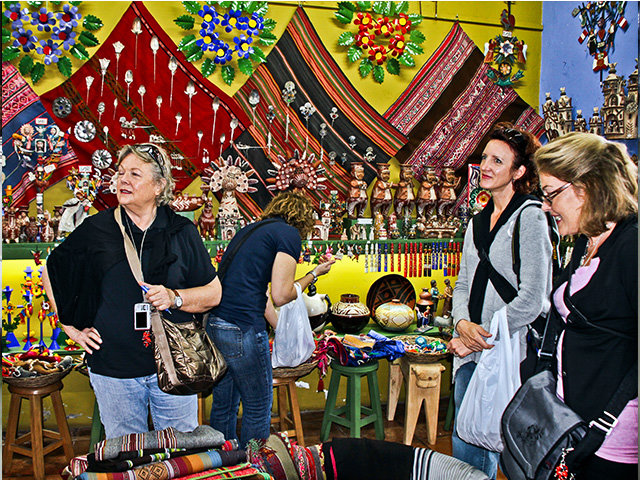
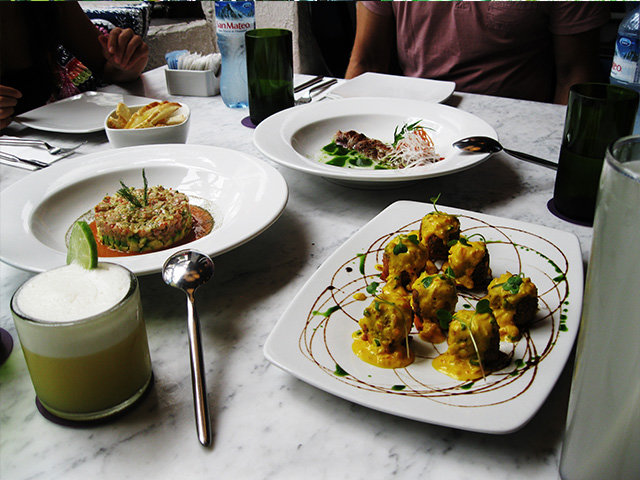
In Lima, you can taste legendary Peruvian cuisine from all regions: sampling some of the city’s culinary delights is a must during culinary travel in Peru. From extensive tasting menus at Central to hearty home-cooking at Isolina, we can help make your restaurant reservations and secure tables at the best places in town. You can also visit colorful, bustling local markets to learn about the extraordinary diversity of Peru’s ingredients on a culinary tour of Peru. We also arrange cooking classes and demonstrations at the restaurants and homes of top chefs. Click here for a free culinary guide to Peru, including Lima’s best eateries.
How to get to Lima
Lima is the hub of almost all international flights to Peru. There are regular direct flights to the United States and England, among other countries. Within Peru, Lima connects with regional hubs including Cusco, the gateway to Machu Picchu, and other key destinations, such as Arequipa, Lake Titicaca (Juliaca) and the Amazon destinations of Iquitos and Tambopata National Reserve (Puerto Maldonado).
Safety
As in any city, especially one as large as Lima, you should take precautions when walking alone on the streets, such as not wearing flashy jewelry or clothing, leaving valuables and passports at the hotel and being more careful when going out after dark. We don’t recommend that first-time visitors to Lima go to the downtown city center after dark, but in the more residential districts of Miraflores and San Isidro, walking on main streets in the evenings is perfectly fine. In terms of transportation, we don’t recommend that travelers try out public transportation on their own, but rather use private transportation or use secure taxi cab services, which can be contracted through the hotel concierge.
When to go
A coastal desert, Lima is a year-round destination and it never rains. It is hotter with more sunshine from December to April; the other months of the year are typically overcast but mild.