

Travel Guide to the Tambopata National Reserve
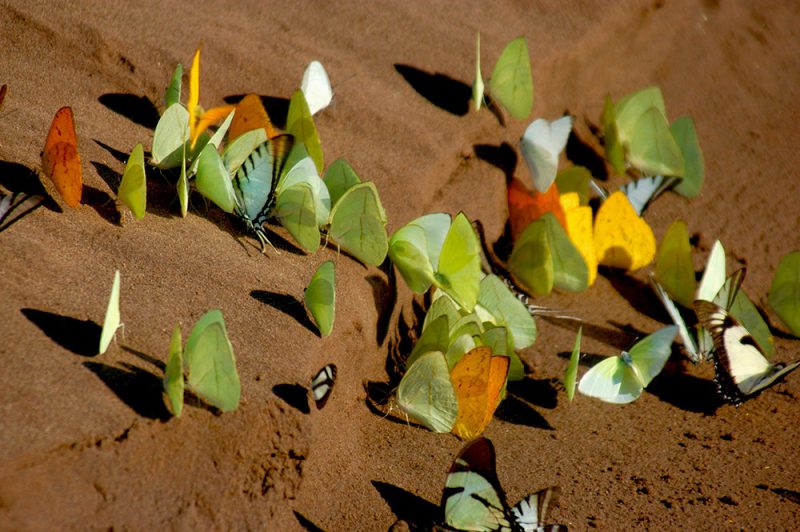
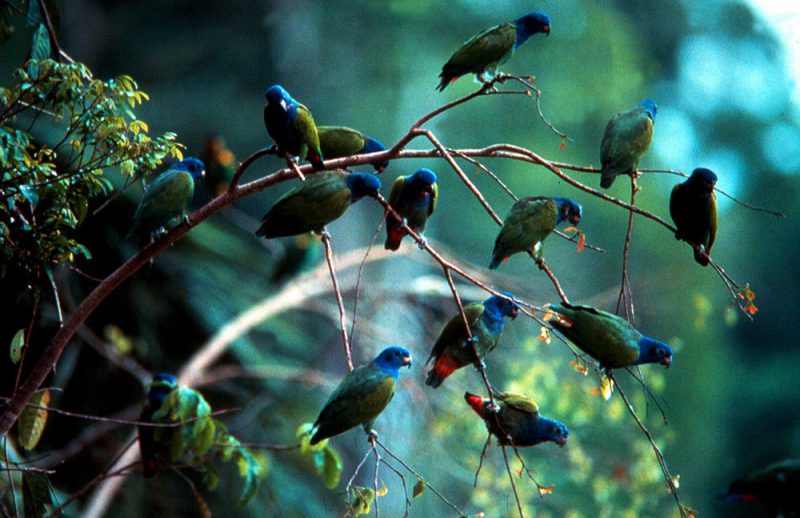
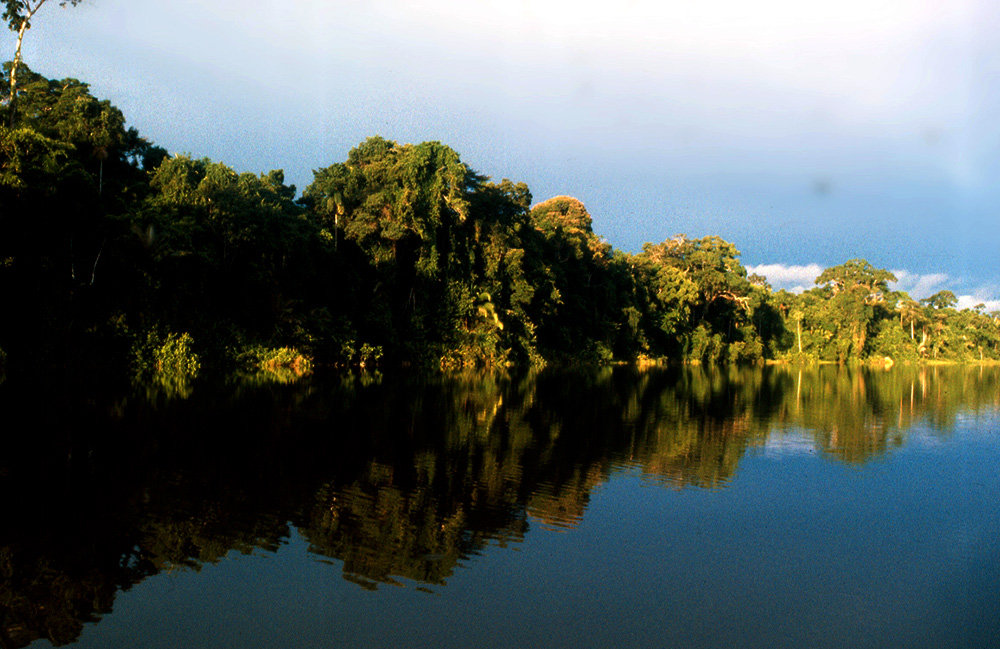
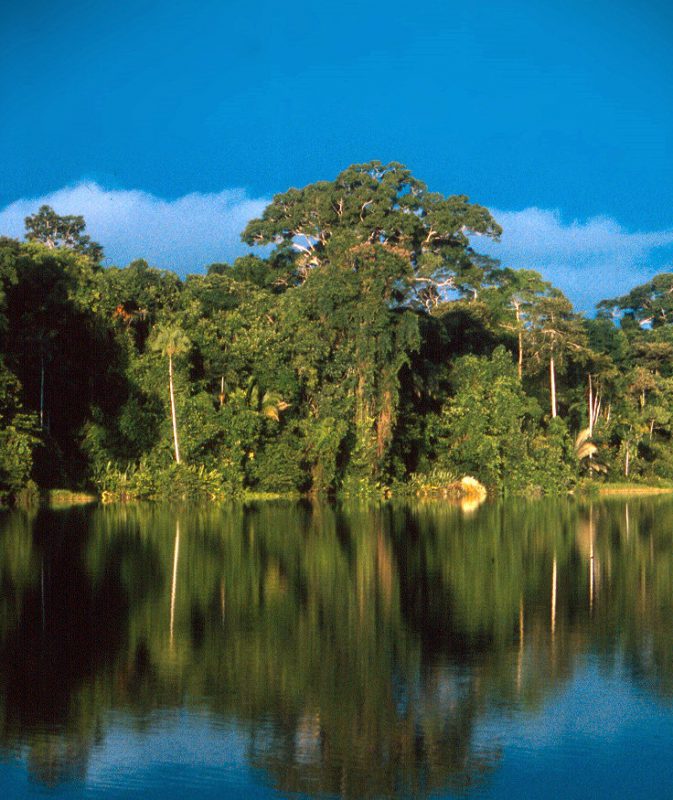
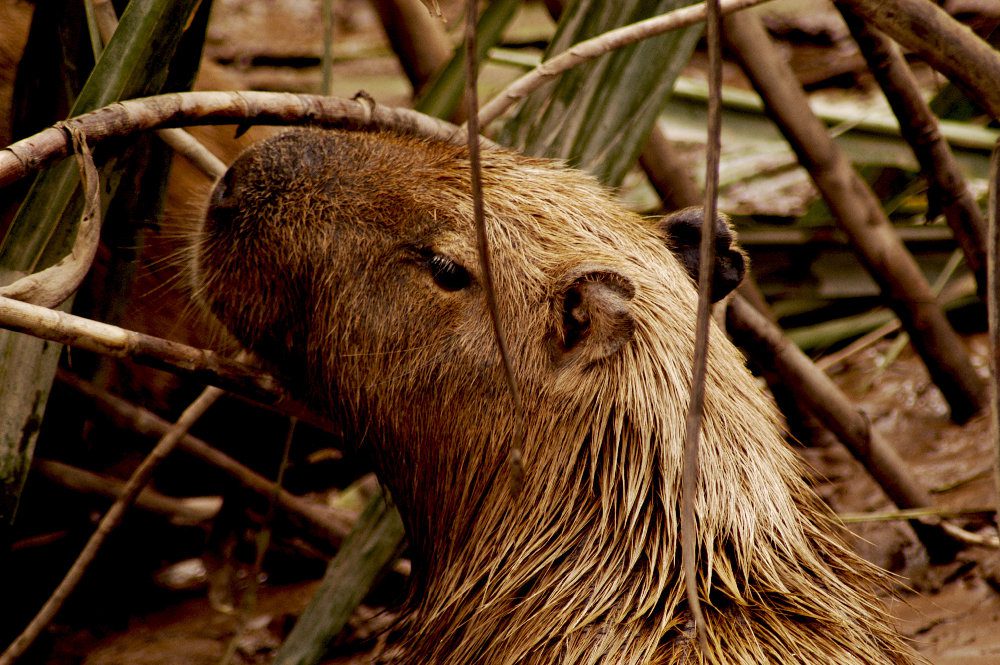
The whole reserve includes areas of highlands, lowland rainforests, and some of the last remaining intact cloud forests. Three main ecosystems converge in the reserve: the Amazonian plain, the eastern slopes of the Andes, and the humid Pampas croplands. The national reserve protects habitats ranging from the Andean highlands around the rivers’ headwaters through some of the last remaining cloud forests, to the lowland rainforests of the Amazon basin. It spans around 14,800 square kilometers (5,700 square miles), about the size of Connecticut. Over 1,300 bird species (including 32 parrot species – 10% of the world’s total), 200 mammal species, 90 frog species, 1,200 butterfly species, 94 fish species, 135 kinds of ants, 40 termites species, 39 varieties of bees and 10,000 species of higher plants are protected within this reserve, and scientists continue to discover new species here.
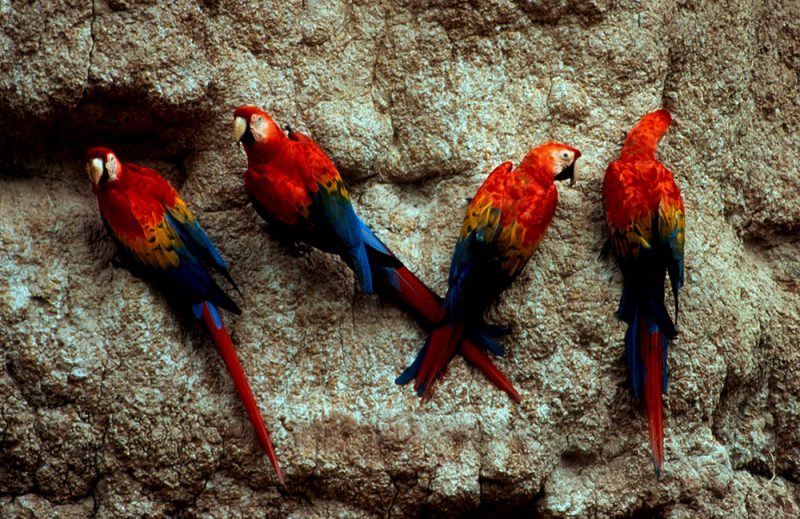
A highlight of the Tambopata National Reserve is the world’s largest known mineral clay lick, where hundreds of parrots and macaws congregate daily to ingest the detoxifying clay. This is located within the reserve, less than 500 metres (1,640 feet) from the Tambopata Research Centre.
But the reserve also stages a drama of destruction. Between 12,134 and 20,650 squares kilometers (4,685 and 7,973 squares miles) of the Amazon rainforest disappear every year. As a result, the native population has dropped from 9 million to less than a million since Western explorers began exploring the area in the 16th century.
How to get to the Tambopata National Reserve
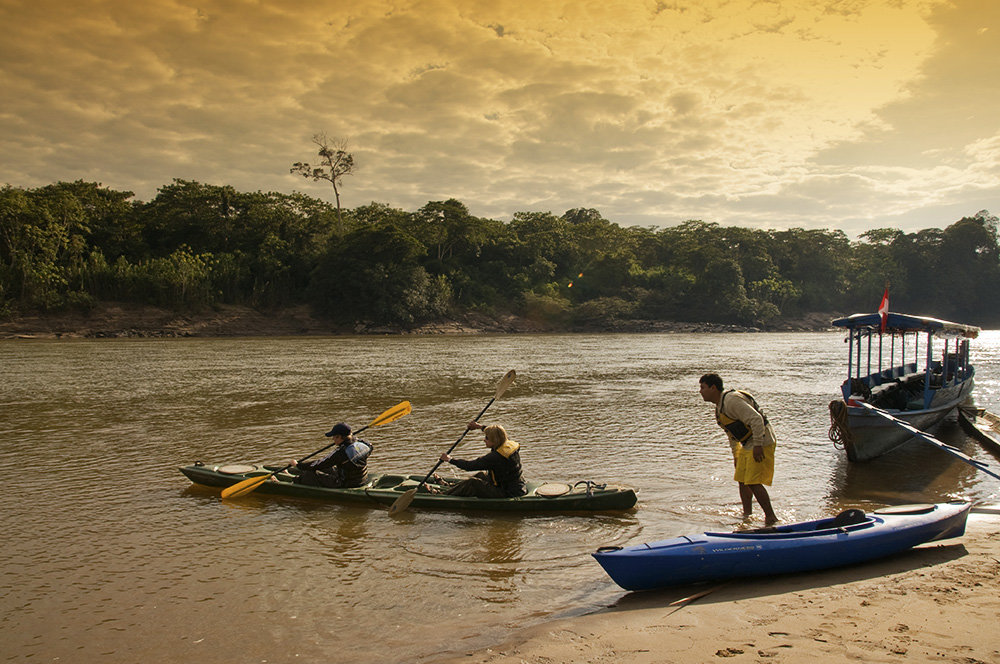
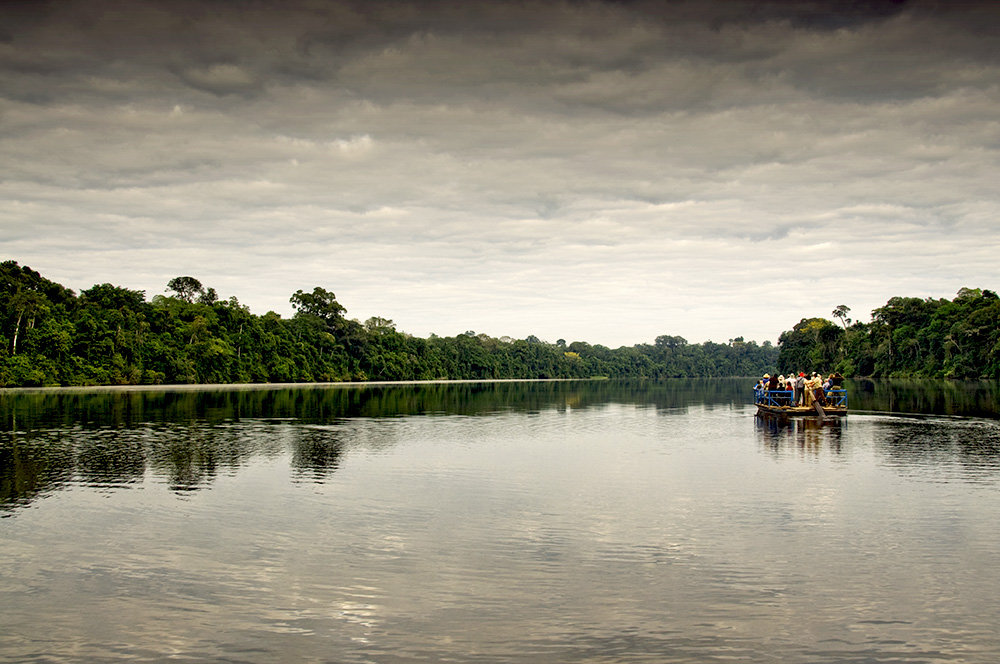
The reserve is located in the department of Madre de Dios. Tambopata can be accessed on a short hour-long flight from Cusco to Puerto Maldonado (the nearest airport), and then by road or boat, depending on which lodge you’re staying in.