Thirty Years of Remembering
Aracari began as a trail of discoveries, one leading to the next, each finding shaping what the company would become.
In the late 1990s, Peru was only beginning to reopen, and the travel that existed followed the same path: Cusco, the train, Machu Picchu, home. The Sacred Valley, which itineraries now build a week around, was somewhere you passed on the way to the station. Outside of that, people simply didn’t go. Marisol was certain there was more to show, more of this country to give the world.
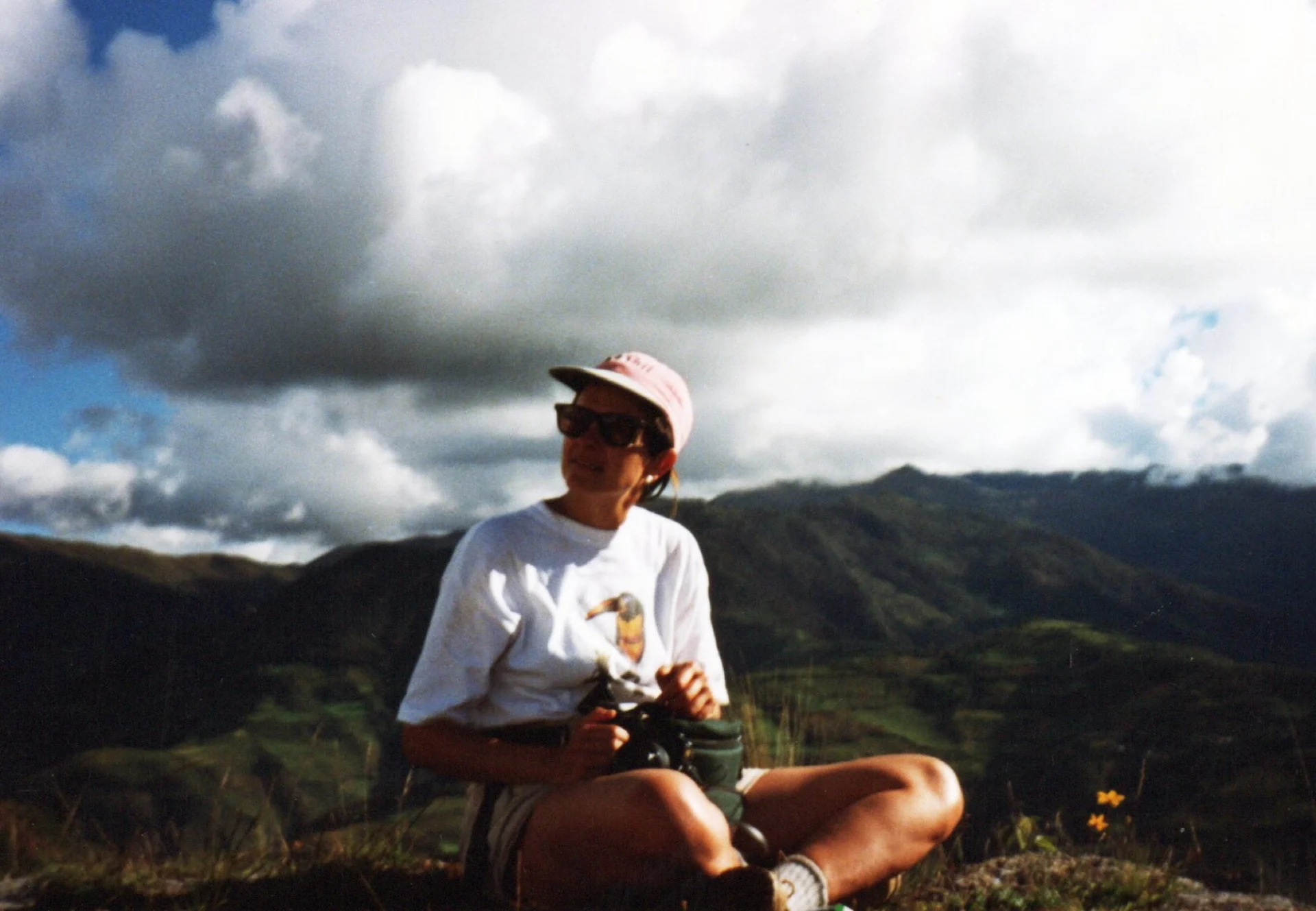
Before there was a company, there was just her, and the country. She had come back to the place she left as a child and gave those first years to it: crossing it by bus, arriving at its festivals, following one name to the next until a picture came together that no brochure had. A captain on Lake Titicaca led her to a woman with a private island and a dream. A valley almost no one visited led to the people who had spent their lives protecting it. These are the roads that shaped us.
There were clients in those years, but they were friends, and friends of friends, willing to trust her and travel on her word. Everything moved by word of mouth. There was nothing to put in front of a trade show, and for seven years no reason to stand at one. There was only the country, and the slow work of learning it well enough to share.
That way of traveling, unhurried, curious, built on the people who know a place rather than the places themselves, is fashionable now. A great many companies are working to build exactly the identity Aracari started with. For us, it was simply the only way worth doing, and it still is.
Most of those early years live in the archive now: the photographs, the first letters, the notes from friends. A few of the stories, and the people behind them, are here.
Before I built anything, I set out to understand Peru.
Marisol MosqueraFounder & CEOI had left Peru so young that coming back was not a rediscovery but a discovery. I saw the country for the first time, with the heart of someone who belonged and the eyes of a traveler.
The Yavarí to Suasi, Lake Titicaca
On Lake Titicaca, Marisol went looking for more than the reed islands the boats all made for. She wanted the lake the itineraries missed, but first she had to find it for herself. Caught half between imagination and half in the doing of it, she kept asking, kept following the trail, until it led to Captain Carlos Saavedra of the Yavarí, the old steamship that had sat on the water for generations. It was he who introduced her to Martha Giraldo. Martha had inherited a private island, and held one idea close for it: to protect it, and build somewhere people could stay. That became Suasi. When the two met, they recognized something in each other, kindred spirits from the start. Marisol was her first guest, and the first to believe in what Martha was building. Martha still lives there, and she is a dear friend to this day.
Marisol was the first to believe in my dream.
Martha GiraldoSuasi, Lake Titicaca
Trekking to Inca sites days from anywhere
From the late 1990s, Marisol set out for the Inca sites almost no one reached: Vilcabamba, Choquequirao, Huánuco Pampa, ruins that took days on foot to find, with tents and porters, long before anyone thought to sell the journey. Choquequirao is a set-piece trek now. She was walking to it in 2004, when the trail was still empty. On many of these expeditions she traveled with John Hemming, who wrote the definitive history of the Inca conquest and had led the Royal Geographical Society for over twenty years, and with Fernando Silva, one of our first guides, still with us today. An account of one of these journeys ran in the Observer and several other British publications.
The Colca Valley and Mother Antonia
Almost no one made the journey to the Colca then. Mauricio de Romaña had built the beautiful Parador del Colca out there himself, and he received Marisol as his guest, in a valley famous for its giant hummingbirds, its flowers, and the old churches that even now see few visitors. It was here she met the devoted Mother Antonia, the nun in Yanque who gave the communities of the Colca close to fifty years of her life. Marisol grew to love her, kept the note she wrote, and years later brought her young son, Nico, to meet her.
The Sacred Valley, the early years
For years, most itineraries ran straight from Cusco to the train to Machu Picchu, and passed the Sacred Valley by. Marisol stopped. She found the weavers, the markets, the ruins with no one standing in them, the guides who knew the mountains by name. Much of what a week in the Valley now looks like, she was piecing together when it was still a place people drove through on the way to somewhere else.
The friendships came with it. In Urubamba she found Sol y Luna, the property Petit Miribel and her husband Franz, had built and the school she founded alongside it, giving the children of the valley an education they would not otherwise have had. Aracari has supported it ever since, and Petit’s son, Thomas, spent time playing with Marisol’s own son, Nico, the two of them playing together in the Valley while all of this was only beginning. It was here too that she came to know Susy Dyson, once a model in 1950s Paris, who had settled in the Valley and built her own small hotel, Ticllabamba, tucked among the terraces near Urubamba. Susy became Aracari’s friend in the city and its earliest kind of guide, the sort who took people in rather than showing them around.
Laguna de los Cóndores, off the map
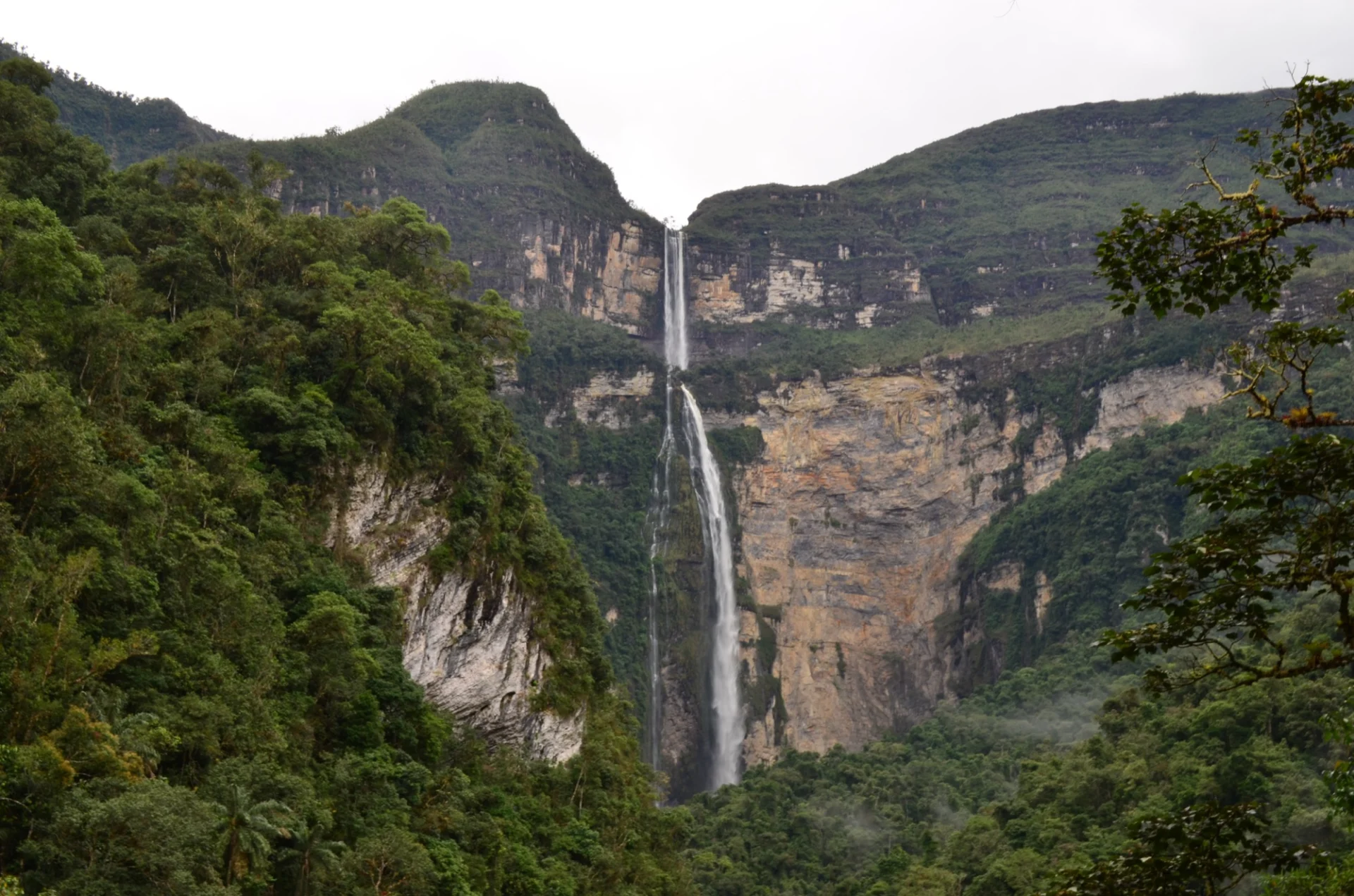
Chachapoyas was unknown to travelers in the 1990s, and Marisol was among the first to put it forward, giving a talk on new destinations in Peru while almost no one else was looking that way. Reaching the Laguna de los Cóndores meant days of hard travel to a lake most maps barely marked, and she arrived just as its Chachapoya mummies were coming to light. She made the journey twice: once with the historian John Hemming and the writer Colin Thubron, and once with her dear friend Adriana von Hagen.
Adriana was a scholar of the ancient Andes who gave her life to studying its cultures and protecting what they left behind. She was pivotal to the Leymebamba Museum, built to safeguard the discoveries of the region, the mummies of the Laguna among them, and she co-founded Kentitambo, her lodge high in the cloud forest, one of the first places travelers could stay in a landscape that had almost no way to receive them. In those early years she opened her world to Marisol without reserve: her contacts, her insight, her deep understanding of Peru, and often the first word on where to go and why it mattered. Of all these years, this was discovery in its truest form.
Hacienda Arona, travel gives back
Arona had belonged to the Alayza family for generations, a historic farm near Cañete, on the road south to Paracas, and Marisol’s friends Jackie and Ricardo opened its gates to her. She began bringing guests to meet them and to see how the coastal valleys are farmed, where the rivers coax fields out of dry land. Then the 2007 earthquake struck, and it flattened the rancherías, the quarters where the workers and their families lived. It was the first time Aracari put money from its journeys toward a cause, funding the rebuild of the homes, and far from the last.
Early journeys to Bolivia
When Marisol started, the only Bolivia anyone sold was Lake Titicaca, tacked onto the end of Peru. Marisol went further, much further. She traveled to the Salar de Uyuni, to the rainforests of Madidi and Noel Kempff Mercado, to the Jesuit missions, and to Torotoro, where dinosaur tracks cross the rock and almost no one goes even now. She reached them however she could, on bus journeys long enough to leave her covered in dust, on small missionary planes. A friend told her plainly, Bolivia is not a tourist destination. She went anyway, and came back offering it.