
Guide to Manu National Reserve
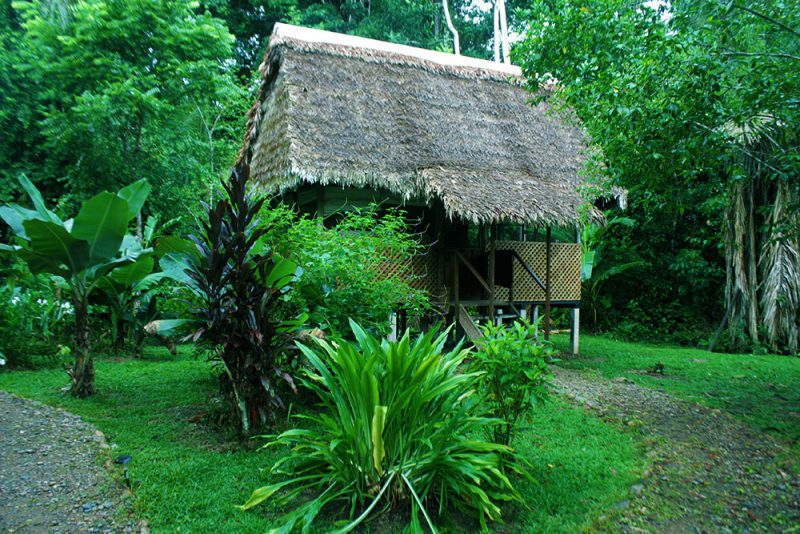
Although harder to access than Tambopata National Reserve and accommodation is more rustic, serious wildlife enthusiasts and birdwatches are rewarded with untouched rainforest and wildlife watching opportunities. Manu’s accommodation is relatively rustic and best suits more seasoned travellers. Alternatively, Tambopata National Reserve offers more premium jungle lodge experiences for stylish explorers and adventurers.
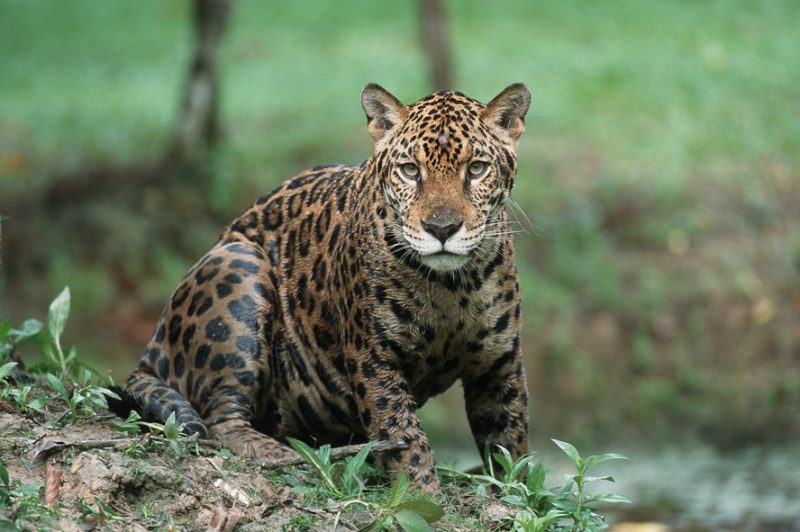
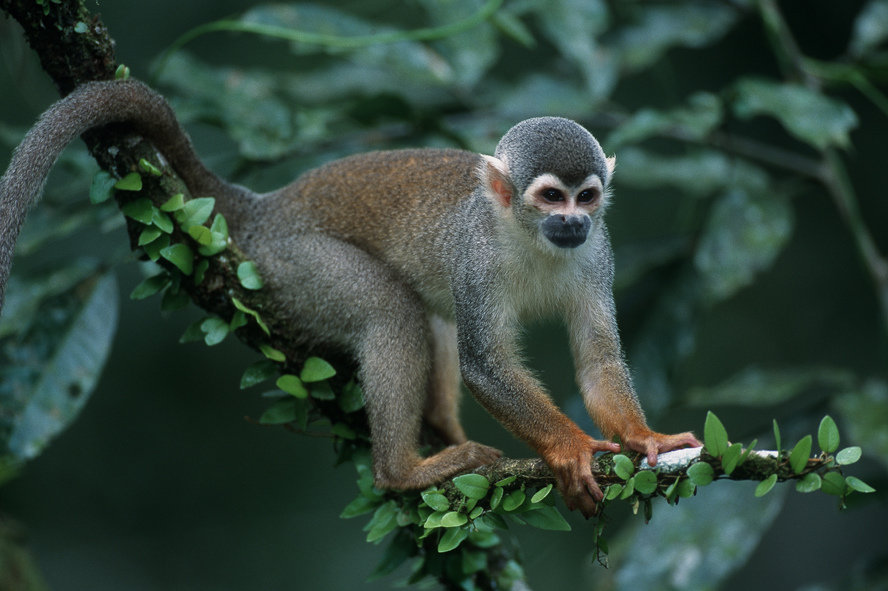
Wildlife and Birding in Manu
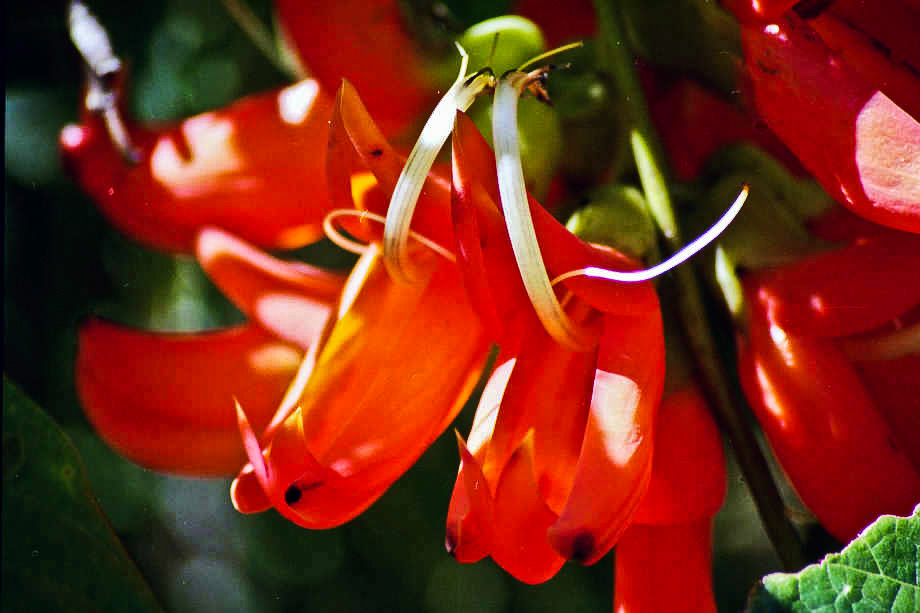
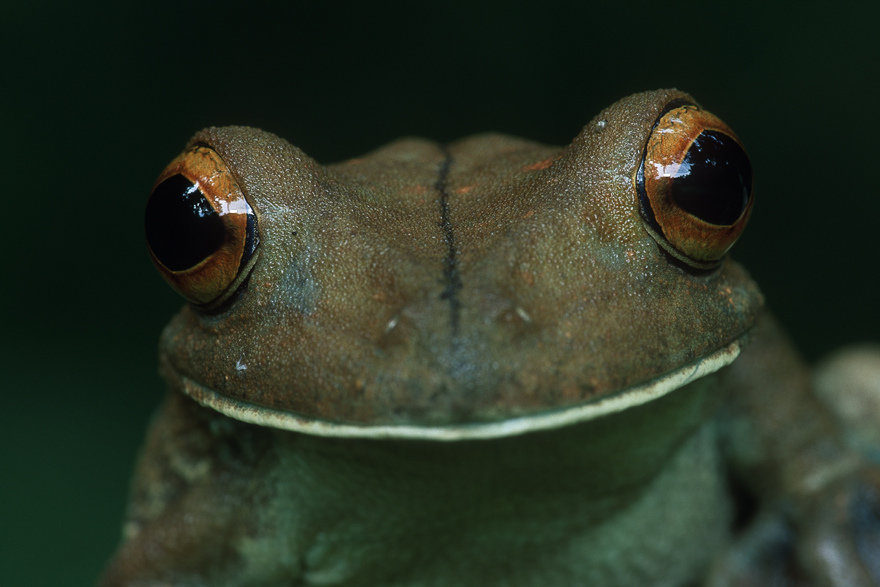
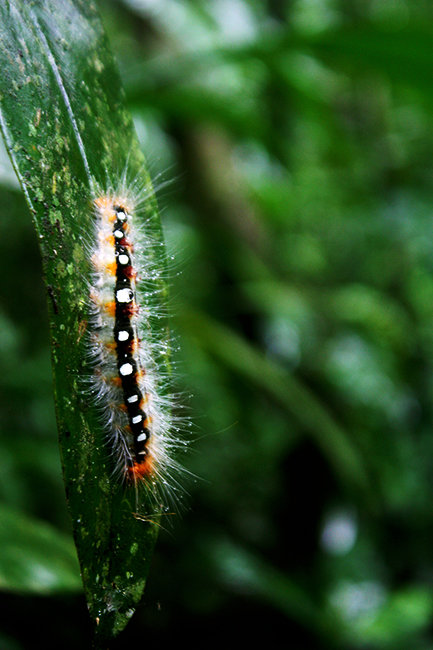
Overall, more than 15,000 recorded species of plants are found in this exciting region, and almost 250 varieties of trees have been found in a single hectare of this rich reserve. It is also a popular destination for birdwatchers, as Manu is home to over 1000 different species of birds including skimmers, terns, herons, egrets, Orinoco geese, parrots, macaws, and even the rare Cock of the Rock.
Recommended Manu Trip itinerary
This suggested 5-day itinerary can be tailormade according to your interests and time available to travel.
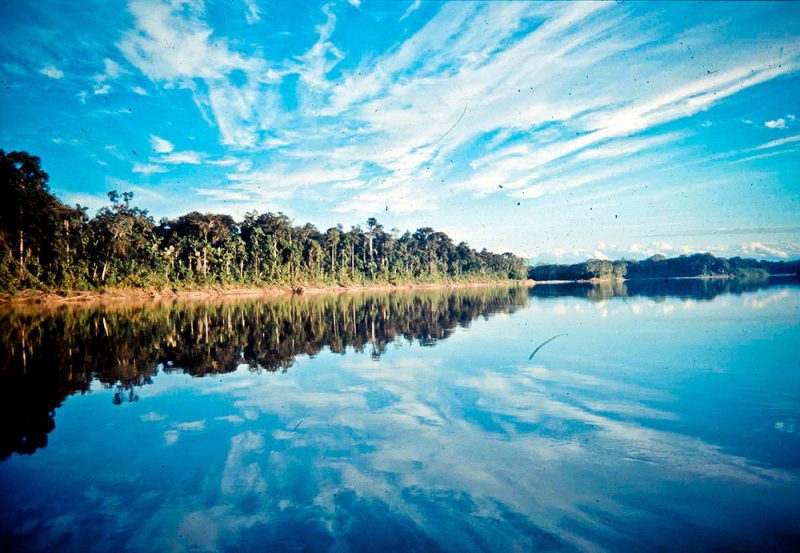
Day 1: Arrival in Puerto Maldonado. Transfer by road and boat along the Madre de Dios river to the Manu Wildlife Center, where you’ll arrive in time for dinner and spend the night.
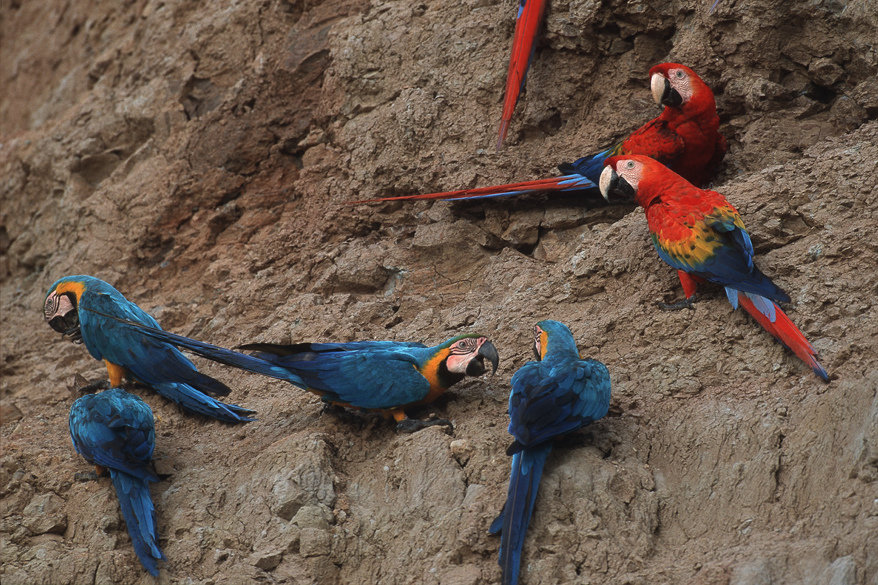
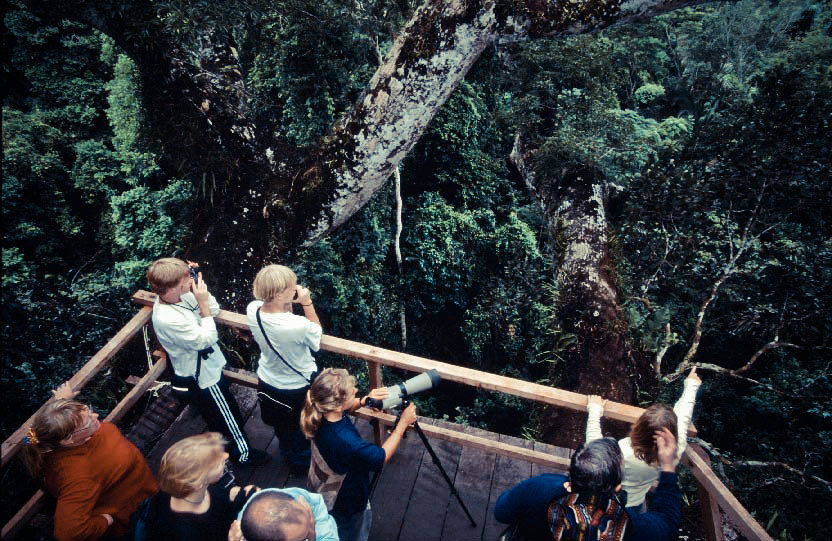
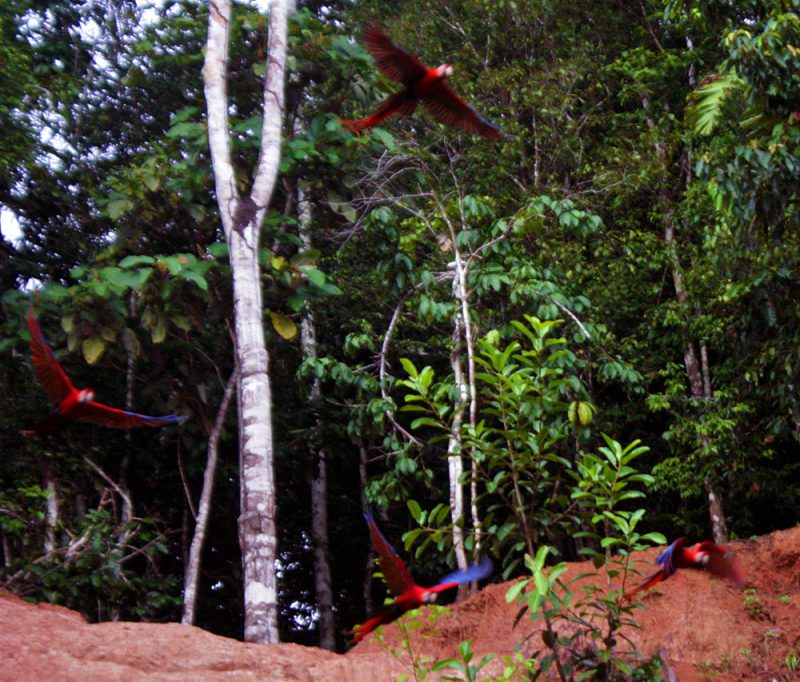
Day 2: Visit the Macaw clay lick, 34m (112ft) canopy tower and the most active tapir clay lick in all of the Amazon. Overnight at the Manu Wildlife Center.
Day 3: Hike to an Oxbow lake, on the lookout for otters, monkeys, and a wide variety of birds. Overnight at the Manu Wildlife Center.
Day 4: Explore the rainforest along the 30 miles of forest trails that surround the lodge. Option to visit the canopy tower, or clay licks for a second time. Overnight at the Manu Wildlife Center.
Day 5: Depart early in the morning for the return journey to Puerto Maldonado, passing through wild-west style gold-mining town of Colorado.
Things to do in Manu National Park
Explore trails that lead out to lookout points high above the river to watch roosting flights of parrots as the sun sets or encounter a troop of monkeys swinging by. Travel downriver on a dugout canoe late at night in search of nocturnal inhabitants of the forest. Visit nearby clay licks, one of the world’s great wildlife spectacles, watching hundreds of parrots and their larger relatives, macaws, congregate at this traditional locality to eat clay that is essential to their digestion.
How to get to Manu National Park
Due to its isolation, Manu National Park takes time to reach but is well worth the reward for real nature lovers. Depending on the lodge you stay at, and thus its location within the national park, there are two main points of access: either fly to Cusco and from here take an overland road transfer to your chosen lodge or, alternatively, fly to Puerto Maldonado (direct, regular flights from both Lima and Cusco), and then take a boat downriver to your chosen jungle lodge. Aracari will help arrange all the logistics as part of any tailormade trip Peru.
When to go
During the drier seasons, from May to October is ideal. Travel from November to March can include heavy downpours.