

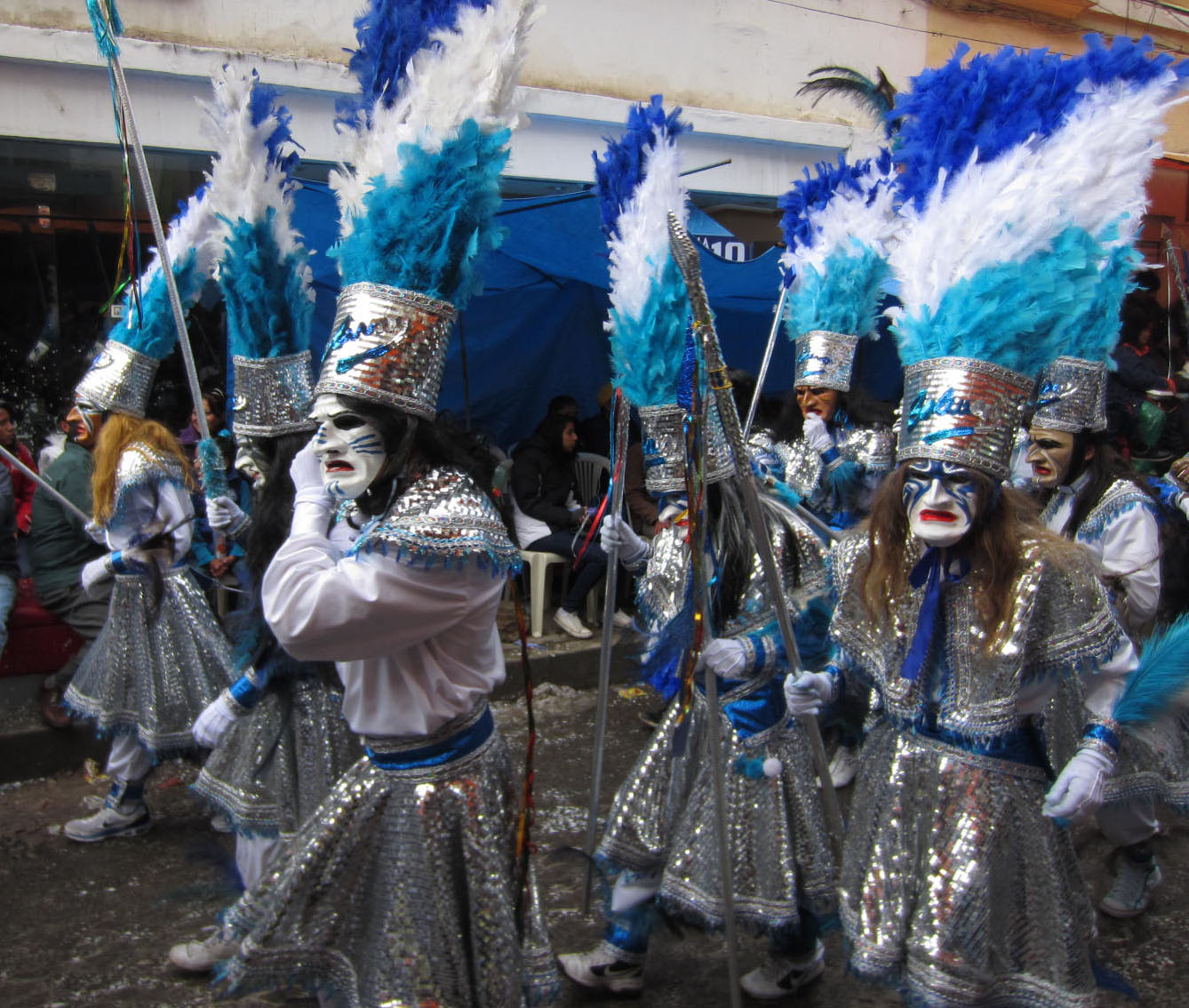
One week ago the Oruro Carnival Bolivia, came to an end. The carnival, a UNESCO-listed Masterpiece of the Oral and Intangible Heritage of Humanity, is celebrated for ten days around Ash Wednesday. People from throughout Bolivia and beyond gather in the streets of Oruro for the annual carnival, one of the most widely celebrated and oldest cultural traditions in Latin America. The roughly 2,000 year old event features tens of thousands of dancers in spectacularly detailed and colorful costumes and masks accompanied by huge bands. It is a dramatic fusion of indigenous music, dances and rituals combined with Euro-Christian traditions.
Read more about Bolivia’s top festivals and download a free Bolivia festival calendar guide.
Oruro Carnival Bolivia
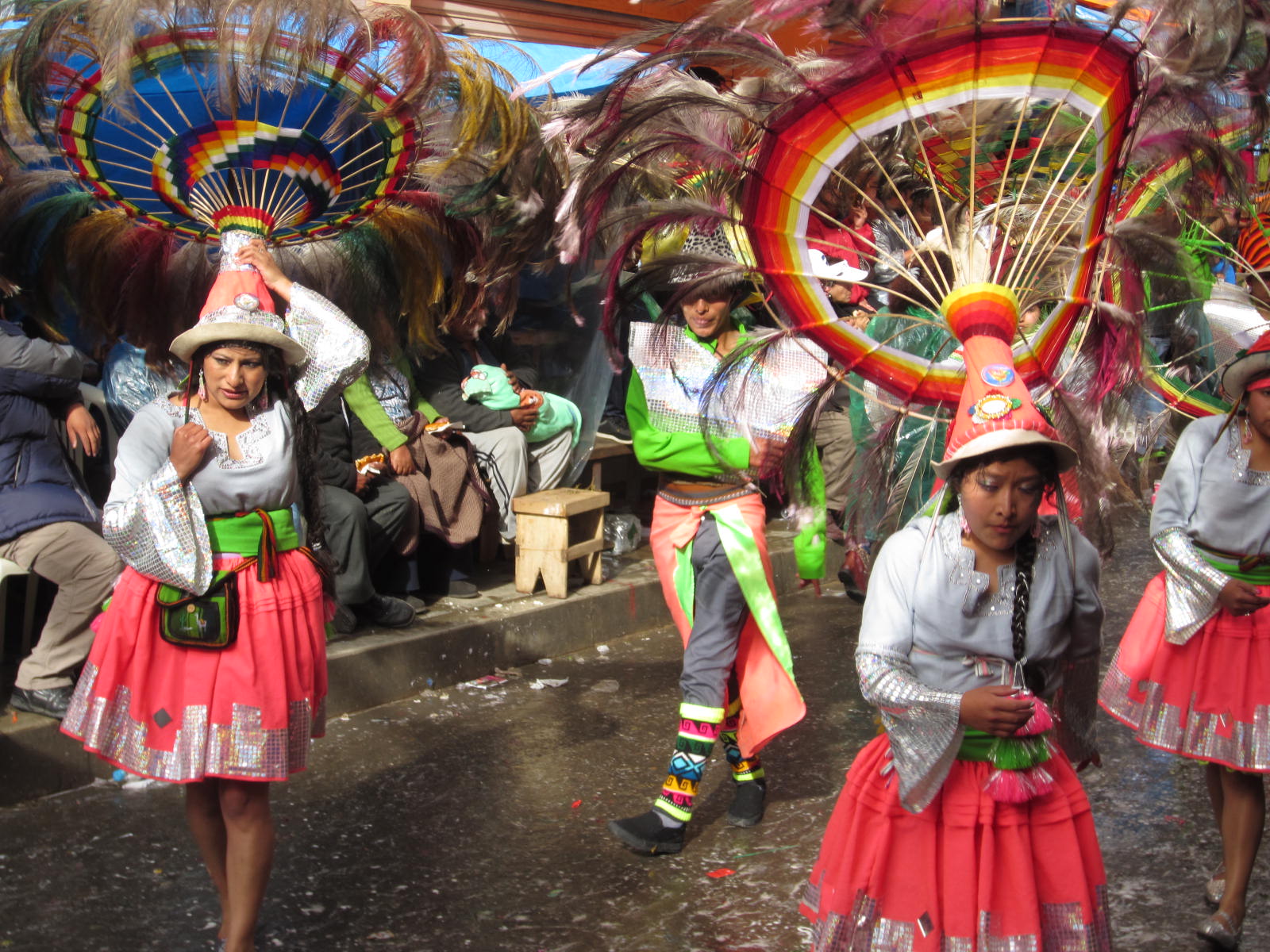
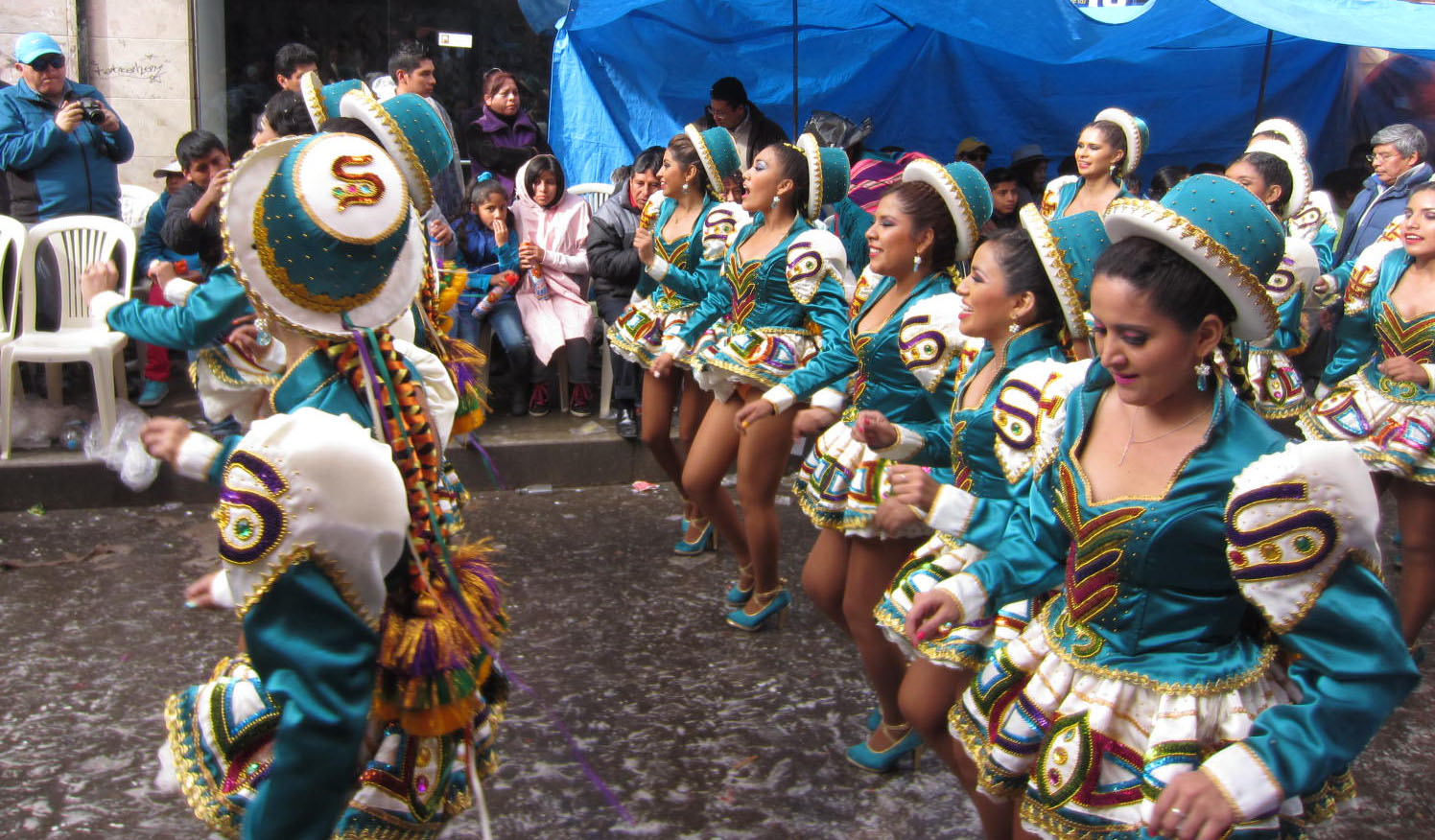
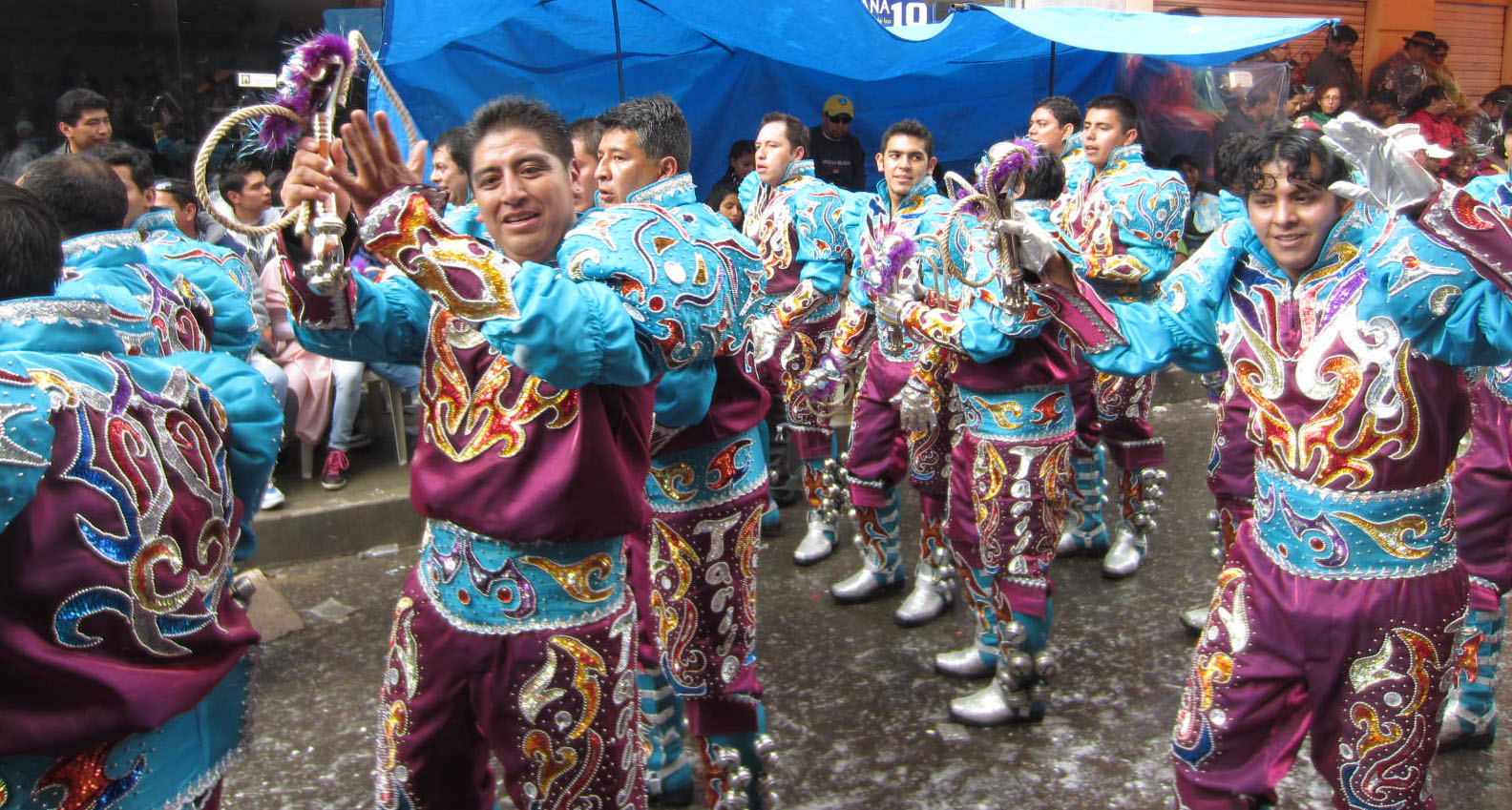
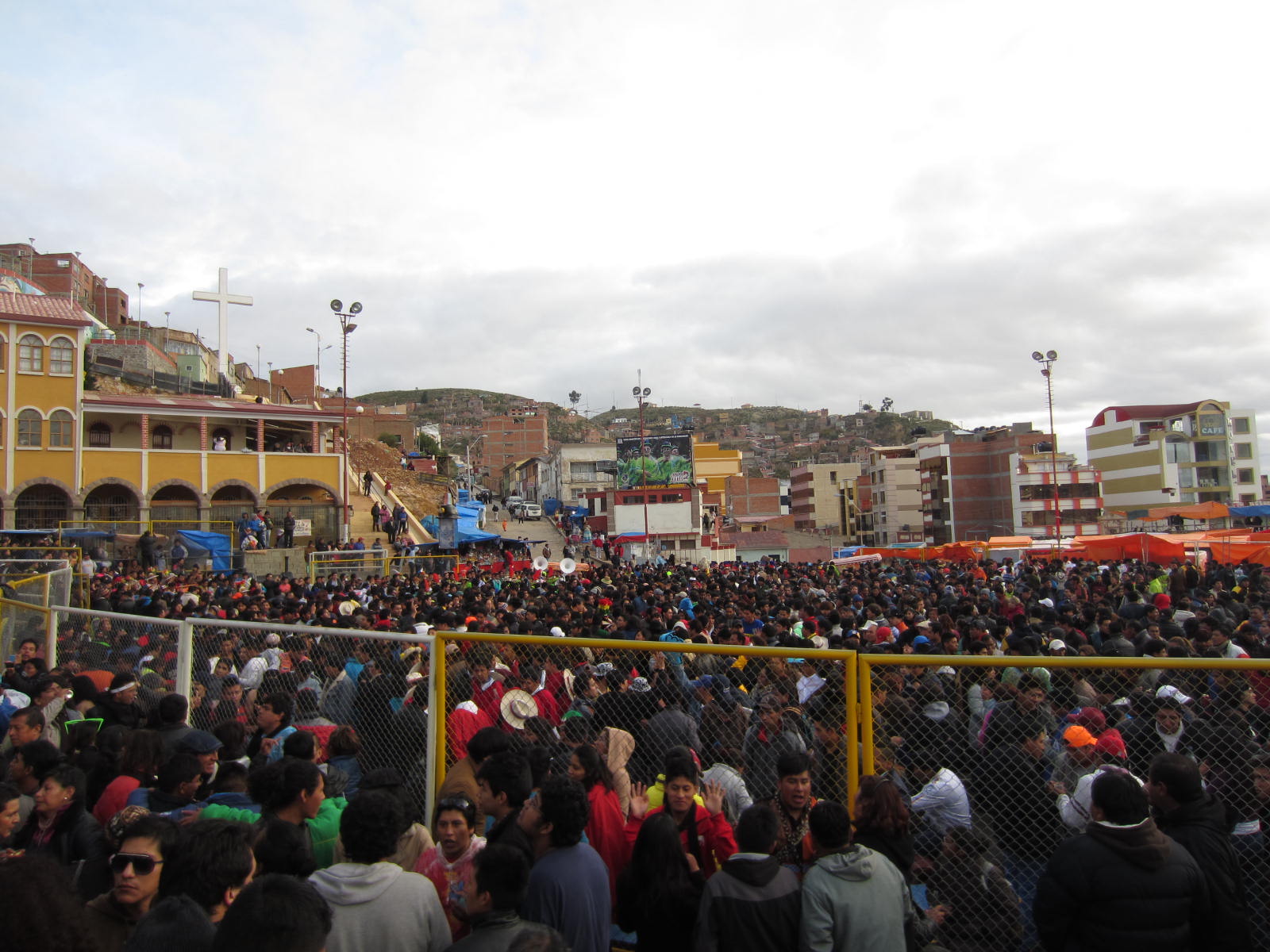
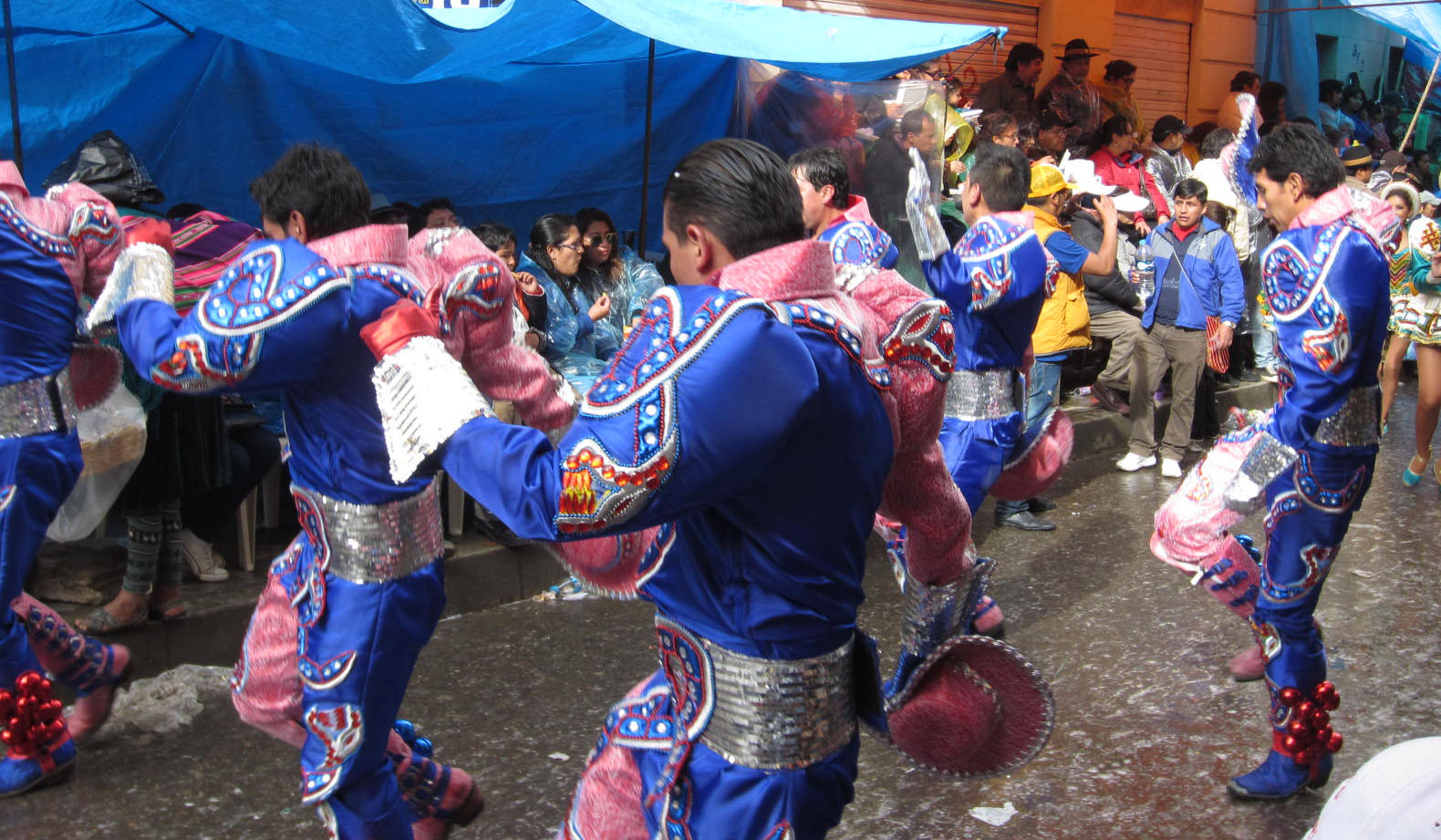
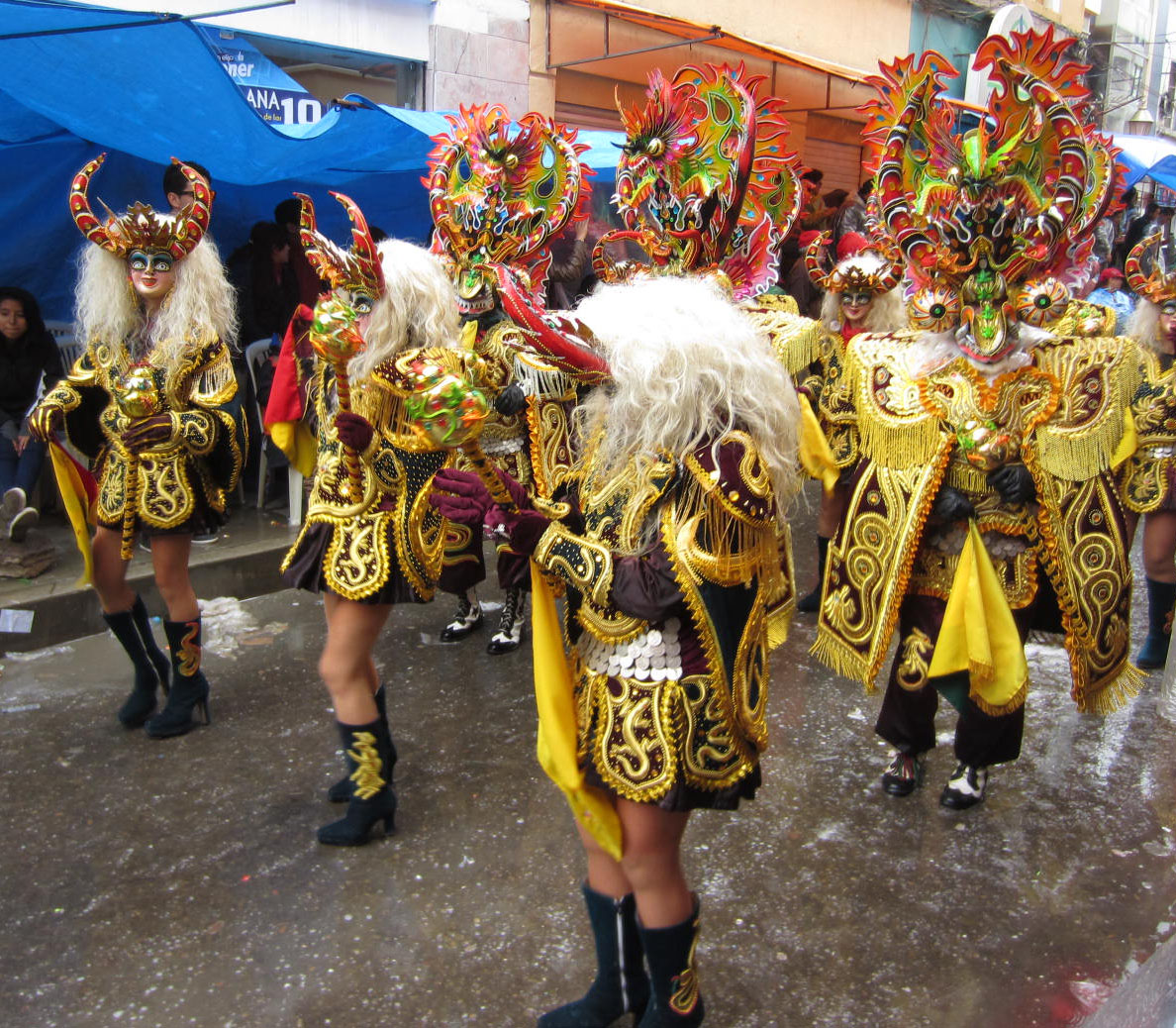
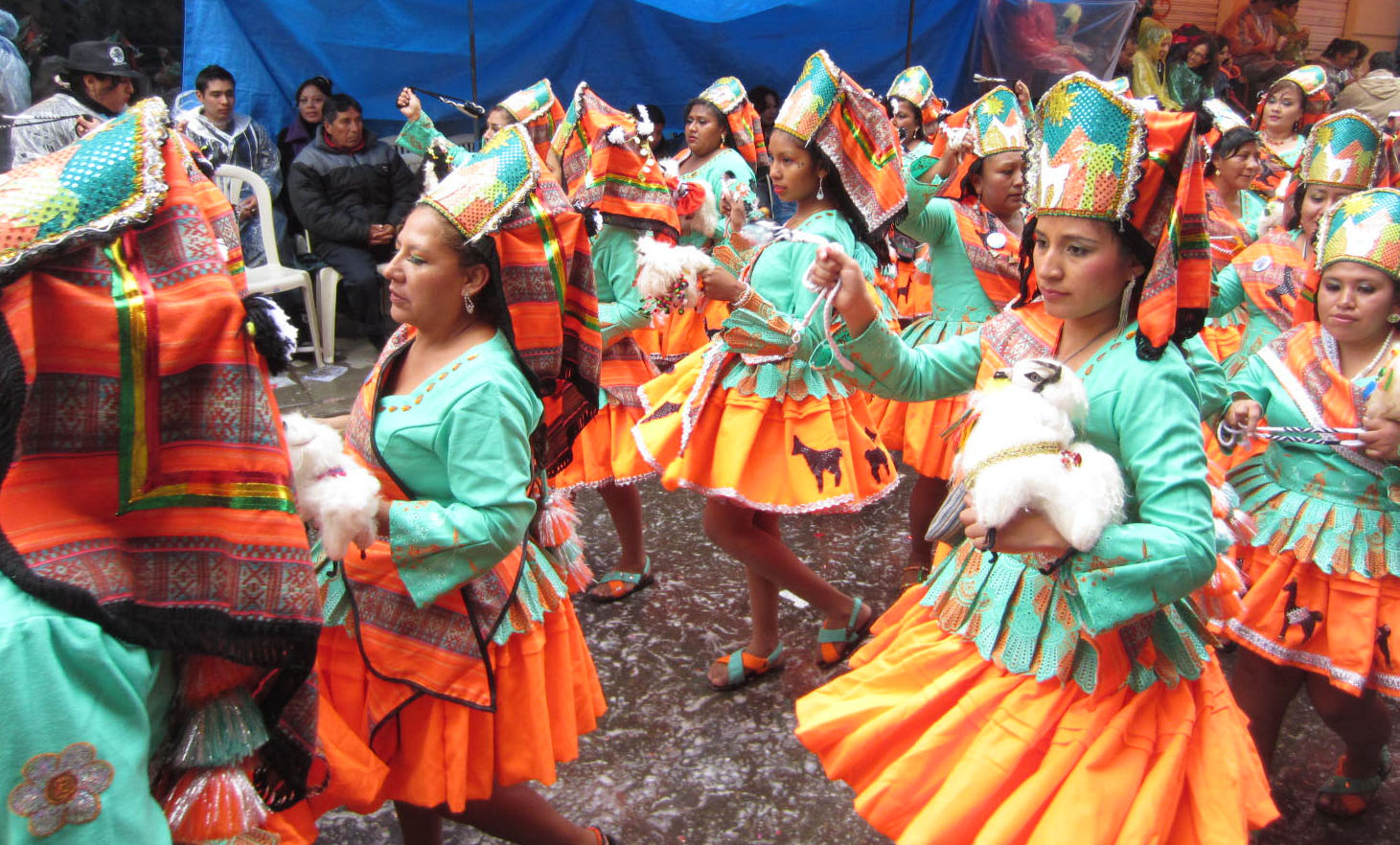
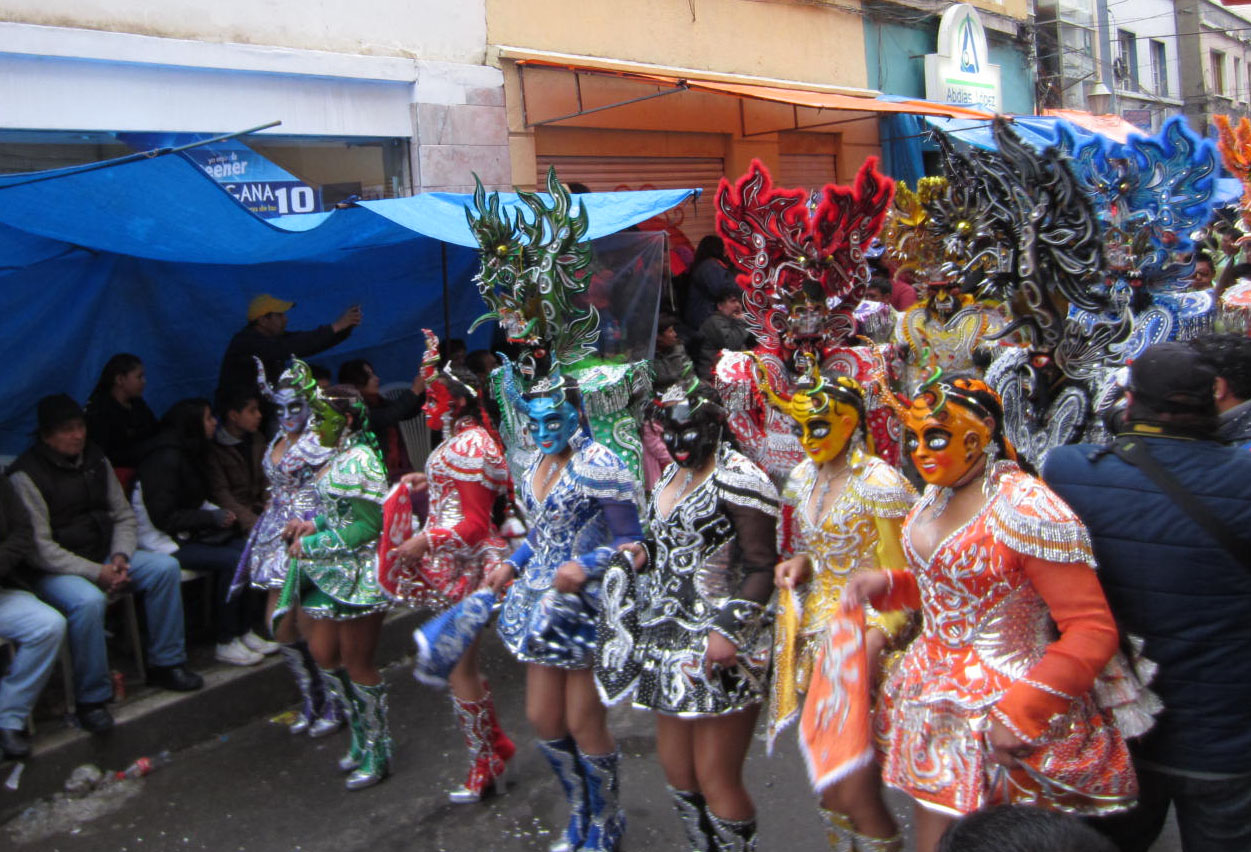
Andean & Catholic Tradtions behind Oruro Carnival
Carnaval de Oruro represents more than just a lively celebration, it is symbolic of the syncretism between the Catholic ideals imparted by Colonial expansion and the thousands of years old Andean rituals that are so ingrained in the region. After the arrival of the Spanish conquistadores, the native celebration was transformed by the incorporation of a Catholic ritual focused on the Virgin of Candelaria, or in Bolivia a focus on the Virgin of Socavón, who is believed to watch over laborers working in the region’s many mines.
Dancing troupes
The numerous comparsas, or groups comprised of 1,000-strong troupes of dancers, musicians and other characters during the carnival, are focused on different aspects of life in the high Andes, such as agricultural cycles, mining, religion and other themes. La Diablada, or the devil’s dance, is one of the many distinguishing features of the carnival with colorfully costumed dancers, masked diablos, and choreographed routines intricately enacting the victory of the Archangel St. Michael over Lucifer. The dance also serves as an allegory of the Spanish conquest of the indigenous people and their conversion to Christianity, beginning with the entrance of Tio Supay (an Andean God and protector of the miners turned Christian version of the devil), followed by hundreds of dancing masked devils. Both the dance moves and the music of La Diablada are also a high point of the La Fiesta de la Virgen de Candelaria in Puno, Peru and an oft-disputed subject as to which country holds claim over the traditional dance.
The main parade
Saturday is when carnival-goers flock to the path of the main parade, or la entrada, in order to watch the dancers and bands passing by in their intricate attire and upbeat music. There are more than 48 dance groups and more than 18 types of dances, some of the more well-known are the Caporales, Diabladas, Kantus, Kullawada, Llamerada, Morenada, Potolo, Suri Sicuris, Tinku, Tobas, Waca Waca. The most popular spot where spectators view the parade is in the main Plaza de Armas or at the finishing point where the dancing and music continues well into daylight of the following day. The parade finishes at the Santuario del Socavón where those that took part in the parade enter the church on their knees to show their devotion and faith to the Virgin of Socavón. The festivities permeate throughout the entire city all day and night.
Participating in Oruro Carnival Bolivia
As a spectator, there are many ways to participate in the carnival besides just watching la entrada and taking photos of the amazing dancers and musicians. Water is often involved in the celebration, with water balloons being thrown at passers-by and foam sprayed around as a symbol of promoting good things to come. Luckily, plastic ponchos are readily available for purchase from street vendors. For those ready for a break from the festivities, enjoy typical Andean cuisine at many of the food stands or hole-in-the-wall family restaurants. A typical dish in Oruro is Charquekan and consists of dried llama meat accompanied by hard-boiled eggs, corn, cheese, potatoes, and a spicy sauce on the side.
On Sunday, the festivities continue along the same parade route with dancers, musicians and spectators taking part in the fun. With the peppy music, incredibly detailed and brightly colored costumes and the general jubilance of the crowds along the parade route and throughout the city, carnival in Oruro is definitely an exciting experience in Bolivia.
Experience Oruro Carnival with Aracari
Aracari specializes in bespoke travel to Peru, Bolivia and the Galapagos. Contact us for more information on Oruro Carnival and how to visit as part of a private, tailormade trip to Bolivia.
*photo credits: Clara Evangelista