Thirty years, in four chapters

Aracari’s Weekly Insight #15: Apu Salkantay

By Simon

Question:
Why do local people in the Cusco region refer to Mount Salkantay as “Apu Salkantay”?

Answer:
Many locals of the Cusco region refer to Salkantay as “Apu Salkantay” as this is a term of reverence and worship. “Apu” literally means “Spirit of the mountain” or “mountain god”.

This was an important part of the religion of the Inca Empire: the Incas had great respect for mountains such as Salkantay and Ausangate as they towered towards the skies – home of the “Inti” Sun god – and the stars. They believed that a spirit or god resided within these mountains that protected their culture .

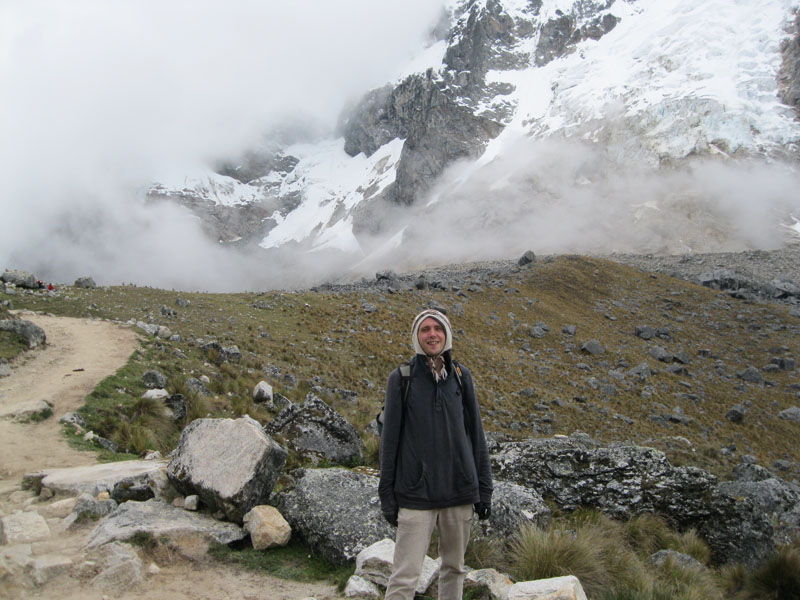
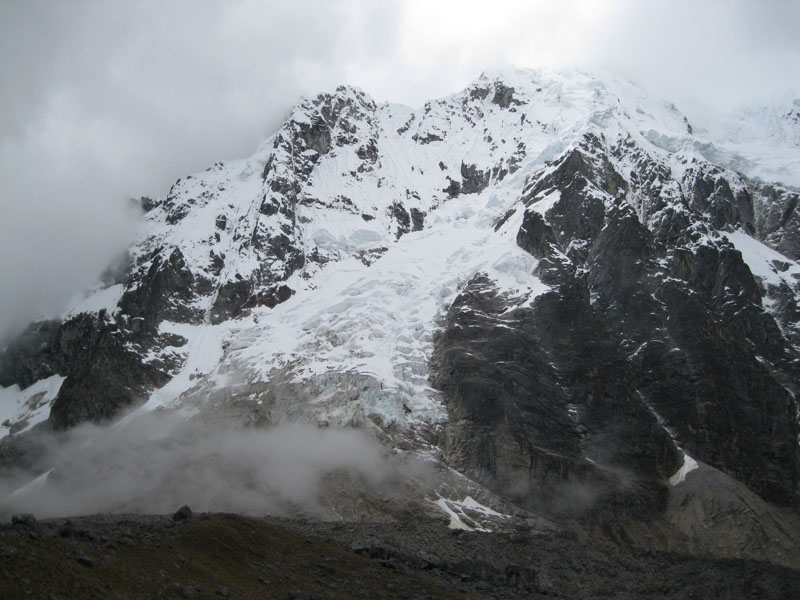
Today I walked right past Salkantay, here’s some photos:
You can read my day by day account of the lodge to lodge Salkantay Trek here.

Related Post
The Dakar Rally: First Time in Peru Aracari's Weekly Insight The Question: Which world-renowned rally races its way into Peru for the first time today? The Answer: Having alrea...
Dedalo Celebrates 20 Years of Providing Fine Peruvian Artwork Celebrating its 20th anniversary as a gallery and store in the bohemian district of Barranco, Dédalo Arte and Artesania is considered to be one of Lim...
Authentic, Ethical and Sustainable Peruvian Fashion: Silvania With vibrant and colorful patterns based on pre-Columbian art and design, “Silvinia Prints” became an institution of fashion in Lima from its opening ...
Discovery of the Senses; Singapore learns about Aracari and luxury tra... In order to spread the word abou luxury travel in Peru to new parts of the world, Aracari has recently participated in a high profile event in Singapo...
Hiking the Gran Caverna Path at Huayna Picchu to the Temple of the Mo... Machu Picchu Luxury trips During my tour of Machu Picchu, our guide pointed to Huayna Picchu, the mountain that overlooks the citadel, and said, “Do ...
Peru travel insight #10: A brief history of Coca. Aracari's Weekly Insight Coca has been consumed by natives of the Andes for thousands of years, estimates range from anywhere between 4000 and 8000 y...